
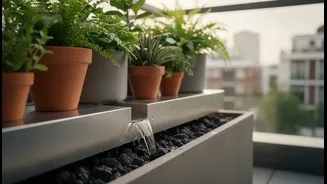
The Gardener's Gold Standard
There’s a reason plants seem to flourish after a good rain in a way that’s hard to replicate with a hose. Rainwater is nature’s perfect drink for your garden. Unlike tap water, which is often treated with chlorine and can contain salts and minerals that build
up in the soil, rainwater is pure and naturally soft. It’s also slightly acidic, which helps plants absorb essential nutrients like iron and manganese from the soil. Furthermore, as rain falls, it captures nitrogen from the atmosphere, delivering a gentle, free dose of this vital nutrient directly to your plants’ roots and leaves. This combination of purity, pH, and nutrients is what gives rainwater its reputation as the ultimate plant hydrator.
Too Much of a Good Thing
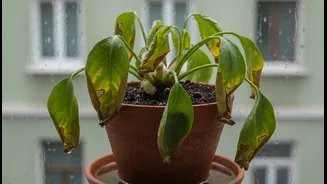
Despite its benefits, the source of the water doesn’t change the fundamental risk of giving a plant too much of it. Overwatering, whether from a hose or a rain barrel, is one of the most common ways to kill a plant. When soil becomes waterlogged, it cuts off the oxygen supply to the roots. Without oxygen, roots can't function properly; they can't absorb nutrients and will eventually begin to suffocate and decay, a condition known as root rot. This creates an ideal environment for fungal diseases and pests. The symptoms—yellowing leaves, wilting, and stunted growth—can ironically make a plant look thirsty, tempting a gardener to water it even more and worsening the problem.
How to 'Read' Your Plant's Thirst
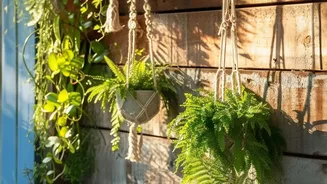
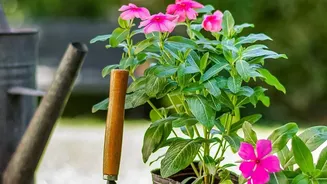
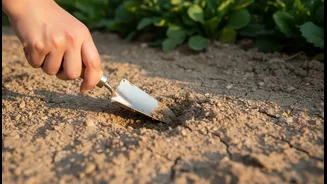
Instead of watering on a rigid schedule, learn to check if your plants are actually thirsty. The most reliable method is the finger test: stick your finger about two inches into the soil. If it comes out dry, it's time to water. If it’s moist, hold off. For smaller pots and hanging baskets, the weight test is effective; a pot with dry soil will feel noticeably lighter than one that is well-watered. You can also use a simple wooden stick, like a chopstick, as a soil probe. If it comes out clean and dry, the soil is dry; if it comes out with damp soil clinging to it, the plant has enough moisture. Visual cues like drooping or wilting can be signs of thirst, but always confirm with a soil check, as overwatered plants can also wilt because their roots are rotting.
After a Rain: To Water or Not?
Don't assume a rain shower has sufficiently watered your garden, especially container plants. A light, brief rainfall might only wet the top layer of soil or the foliage, leaving the root zone completely dry. Conversely, days of heavy rain can oversaturate the ground. Always check the soil a few inches down to gauge the actual moisture level. Plants under dense canopies or large leaves might not receive much water at all, as the foliage can act as an umbrella, deflecting the rain. After a storm, be sure to empty any saucers under potted plants to prevent them from sitting in standing water, which is a direct path to root rot.
Smart Rainwater Collection and Use
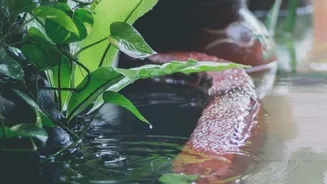
Harvesting rainwater is a fantastic way to conserve a precious resource. When setting up a rain barrel, ensure it has a screen to keep out debris and mosquitoes. It's also vital to keep the container covered to prevent stagnant water and algae growth. While roof runoff is excellent for most ornamental plants, trees, and shrubs, some experts advise caution when using it on edible greens like lettuce due to potential contaminants from roofing materials or bird droppings. When you do water, apply it directly to the base of the plant, soaking the soil around the root zone rather than spraying the leaves. Watering in the morning is ideal, as it gives the plant time to absorb the moisture before the heat of the day and allows any damp foliage to dry, reducing the risk of fungal diseases.