





The Case for Green Bananas
Often overlooked in the fruit basket, the humble green banana is a nutritional powerhouse in its own right. Its firm texture and less sweet, almost starchy flavour make it a staple vegetable in many Indian cuisines, perfect for curries and sabzis. But
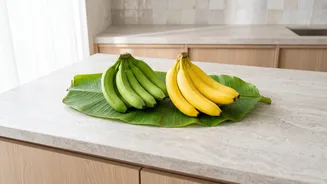
its real magic lies in its carbohydrate composition. Unripe bananas are packed with resistant starch, a type of fibre that passes through the small intestine undigested. This means it doesn't cause a sharp spike in blood sugar levels, making it a favourable choice for individuals managing diabetes or looking for sustained energy release. Furthermore, this resistant starch acts as a prebiotic, feeding the beneficial bacteria in your gut and promoting a healthy digestive system. Studies suggest this can help you feel fuller for longer, aiding in weight management.
The Power of Ripe Bananas
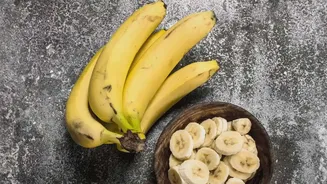
As a banana ripens, its starches convert into simple sugars like sucrose, fructose, and glucose, giving it that familiar sweet taste and soft texture. While this means a higher sugar content, it’s not all bad news. Ripe bananas are often easier to digest precisely because the complex starches have already been broken down. This can be beneficial for those who find the high fibre content of green bananas causes bloating or gas. Another significant advantage of letting your bananas ripen is the increase in antioxidant levels. The brown spots that appear on a yellow banana are actually signs that the fruit's antioxidant properties, which help protect your body's cells from damage, are at their peak. These sweeter bananas are perfect for eating raw, blending into smoothies, or as a natural sweetener in baked goods like banana bread.
The Gut Health Question
When it comes to digestive health, the choice is highly personal. Green bananas, with their high content of resistant starch and pectin, act as prebiotics. They nourish the good bacteria in your colon, which can lead to improved gut health and the production of beneficial short-chain fatty acids. However, for some people, a sudden increase in this type of fibre can lead to digestive discomfort. Ripe bananas, on the other hand, are generally considered easier to digest because the resistant starch has largely been converted to simple sugar. If you have a sensitive digestive system, the gentle nature of a ripe banana might be the better option. Ultimately, both can support gut health, but your individual tolerance to fibre will determine your best choice.
Managing Blood Sugar
For anyone monitoring their blood sugar, the ripeness of a banana is a critical factor. Green bananas have a low glycemic index (GI), typically around 30 to 42, meaning they release sugar into the bloodstream slowly and steadily. This helps prevent the sharp spikes and subsequent crashes in energy that can follow a high-sugar snack. As the banana ripens, its GI score increases to a medium range, around 51 to 62, because the starch has turned into sugar. While a ripe banana can still be part of a balanced diet for many, those with type 2 diabetes are often advised to opt for less ripe bananas and be mindful of portion sizes. Pairing any banana with a source of protein or healthy fat, like a handful of nuts or a spoonful of yoghurt, can also help slow the absorption of sugar.
The Taste and Texture Test
Beyond nutrition, the practical uses of bananas change dramatically with ripeness. Green bananas are firm and waxy with a mild, slightly bitter taste, making them unsuitable for eating raw but perfect for cooking. In India, they are widely used to make dishes like 'Aratikaya Kura' (a raw banana stir-fry from Andhra), chips, and added to various curries where they hold their shape well. The flesh of a green banana is more like a potato or plantain. Ripe yellow bananas, conversely, are soft, creamy, and sweet. Their texture and flavour are ideal for breakfast cereals, fruit salads, and as a quick, portable snack. Overripe bananas, with their intense sweetness and mushy consistency, are the go-to for baking, lending moisture and natural sweetness to bread, muffins, and pancakes, reducing the need for added sugar.