
Choose the Right Home for Your Herbs
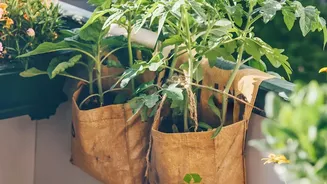
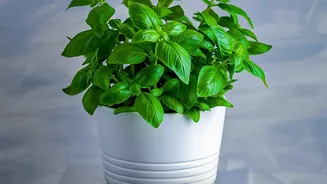
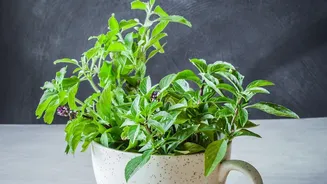
The foundation of a healthy balcony garden starts with the right container. For both basil and mint, ensure your pot has excellent drainage holes to prevent water from stagnating, which can lead to root rot. While you can plant multiple herbs together,
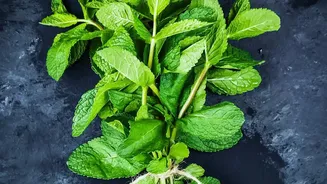
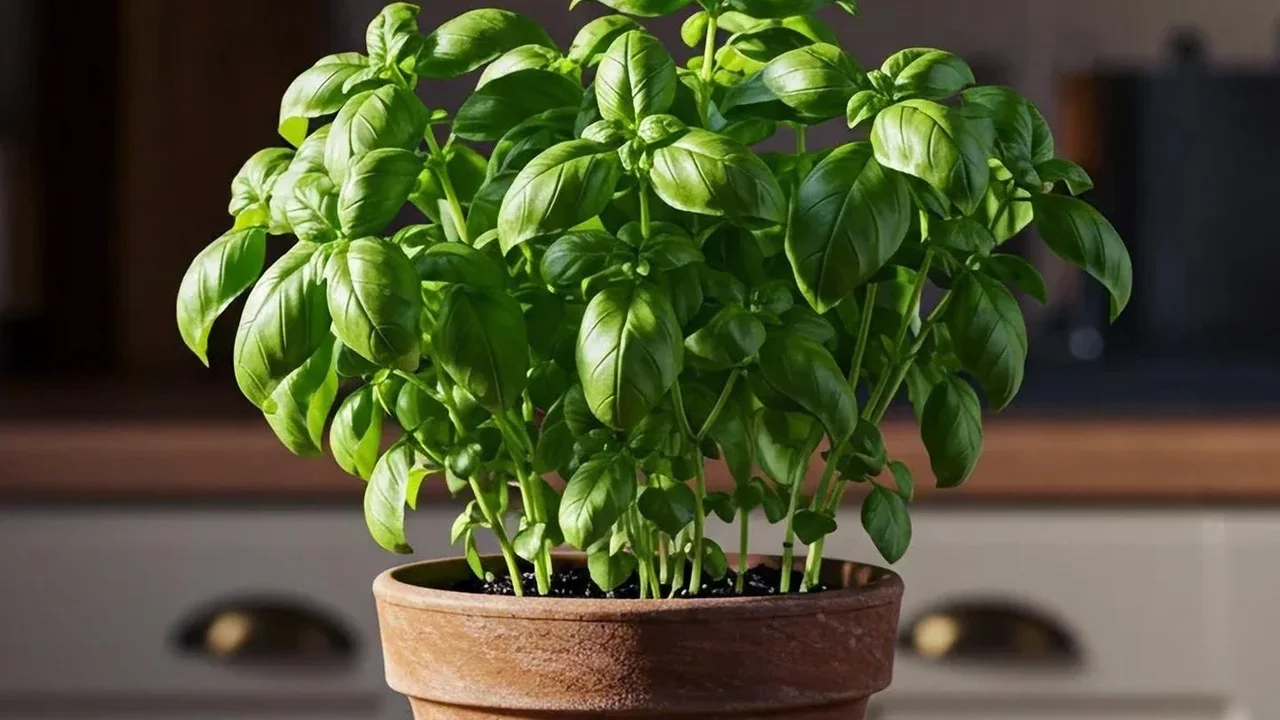
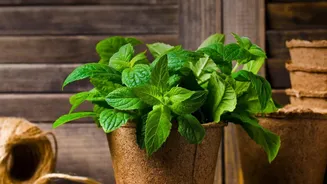
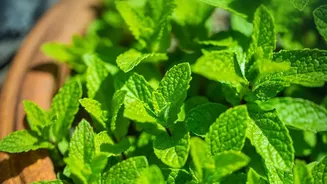
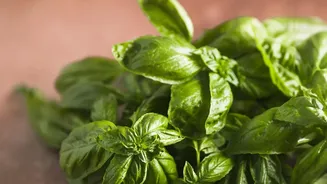
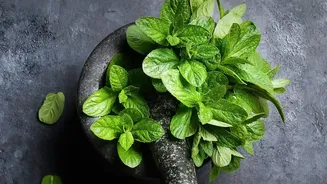
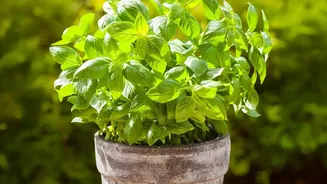
mint is notoriously invasive. It sends out runners and will quickly take over any shared space, so it is best to give mint its own dedicated pot. For basil, a container at least 6-8 inches deep provides ample room for root development. Terracotta pots are a great choice as they are porous and help prevent overwatering, but they do dry out faster in the sun. Whatever you choose, providing enough space is key.
Mastering Sunlight: A Tale of Two Herbs
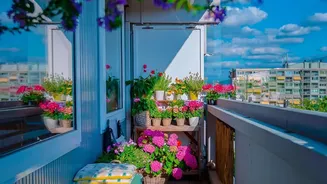
Basil and mint have different needs when it comes to sunshine. Basil is a sun-worshipper and thrives with at least six to eight hours of direct sunlight each day. A south-facing balcony is ideal. If you live in a very hot climate, however, some afternoon shade can prevent its leaves from scorching. Mint is more flexible and tolerates partial shade, requiring about four to six hours of sun. This makes it a great option for balconies that don't get blasted with sun all day. Observe your balcony's light patterns to determine the perfect spot for each plant.
The Perfect Soil Foundation
Don't just scoop dirt from a park. For container gardening, a quality potting mix is essential. Look for a mix that is well-draining, which usually contains ingredients like peat moss, compost, and perlite or vermiculite. This type of soil is lighter than garden soil, preventing compaction when wet and allowing roots to breathe. Both basil and mint prefer soil that is consistently moist but not waterlogged. Using a sterile, bagged potting mix also helps you avoid introducing pests or diseases from the start.
The Art of Watering Your Balcony Garden
Watering is where many new gardeners go wrong. There is no magic schedule; the key is to check the soil. For both basil and mint, a good rule of thumb is to water when the top inch of soil feels dry to the touch. Water thoroughly until you see it run out the drainage holes, then empty the saucer underneath. Balcony pots, especially smaller ones in sun and wind, dry out much faster than garden beds. During a summer heatwave, your thirsty basil and mint may even need watering daily. Always check first to avoid overwatering, which can be just as harmful as neglect.
Harvest Often for Bushier, Healthier Plants
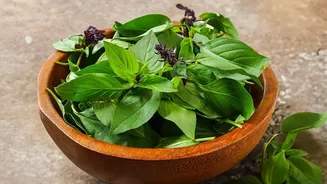
This is the most rewarding hack: the more you harvest, the more your plants will produce. But how you harvest matters. Avoid the common mistake of plucking individual leaves off the stem, which leaves a bare stalk that will eventually wither. Instead, treat harvesting like pruning. For basil, find a point on the stem just above a set of two smaller leaves and snip the entire top section off. This forces the plant to send out two new stems from that point, making it bushier. The same principle applies to mint. Never remove more than one-third of the plant at a time to ensure it has enough foliage to recover and continue growing.
Keep an Eye Out for Pests
Even on a high-rise balcony, pests can find your herbs. Common culprits include aphids, spider mites, and whiteflies. The best defense is prevention. Inspect your plants regularly, especially the undersides of leaves. Basil and mint themselves are known to deter some insects with their strong aroma. If you do spot pests, you can often dislodge them with a strong spray of water. For a more persistent problem, a simple, natural solution like neem oil spray can be effective without resorting to harsh chemicals.