







The Problem with Protein on Paper
Many processed foods and supplements boast high protein content, but the number on the package doesn't tell the whole story. Protein quality is just as important as quantity. This refers to how well our bodies can digest and use the protein, which depends
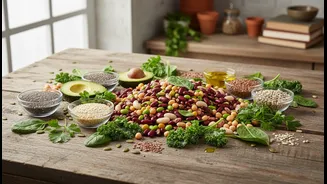
on its amino acid profile and bioavailability. Proteins from whole foods like eggs, lean meats, and dairy are considered high-quality because they contain all nine essential amino acids in a form our bodies can easily absorb. Plant-based proteins from sources like beans and lentils are also excellent, but often need to be combined to provide a complete amino acid profile. In contrast, the protein isolates found in many bars and shakes can be less effective. A human review asks: Is this protein from a whole food source that will contribute to my overall health, or is it an isolated powder in a candy bar that will leave me hungry in an hour?
The Fullness Factor of Fibre
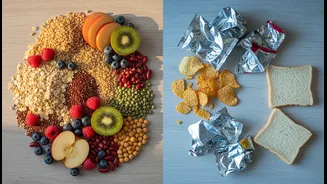
Fibre is another nutrient where the numbers can be misleading. While a packaged food might be fortified with isolated fibres to boost its on-label appeal, these often don't provide the same benefits as the natural fibre in whole foods. The fibre found in fruits, vegetables, whole grains, and legumes adds bulk to meals, promotes digestive health, and is crucial for feeding the beneficial bacteria in your gut. More importantly, it plays a massive role in satiety—the feeling of fullness and satisfaction after a meal. This is something a simple number can't capture. Ultra-processed foods are often stripped of their natural fibre to improve shelf life and texture, which is one reason they can be easy to overeat. A human review considers the feeling of satisfaction: will this food actually keep me full and nourished, or is it engineered to make me want more?
The Practicality Test
Perhaps the most crucial element a purely numerical analysis misses is practicality. A 'perfect' diet plan is useless if it's not sustainable in the real world. A human review forces us to ask critical questions. Is this affordable? Can I find the ingredients at my local shop? How much time does it take to prepare, and does that fit my daily life? Does this food taste good and bring me joy? A diet that requires expensive, hard-to-find ingredients or hours of complex cooking every day is destined to fail. Likewise, a diet that feels overly restrictive can lead to burnout and a negative relationship with food. Lasting change comes from habits that are feasible and sustainable over time.
Looking Beyond the Label
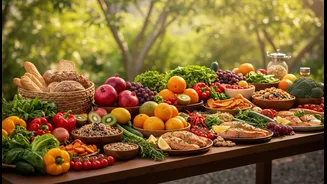
The concept that explains why a simple list of nutrients isn't enough is called the 'food matrix'. This refers to the complex structure of whole foods, where nutrients, fibres, and bioactive compounds interact with each other. This structure affects how our bodies digest food, absorb nutrients, and even how full we feel. When a food is ultra-processed, this matrix is broken down or destroyed. You can add vitamins and fibre back into a product, but you can't replicate the original, intricate structure of a whole food. This is why an apple is not the same as apple juice with added fibre, and why a whole-food diet consistently outperforms one based on highly processed items, even if their nutrient labels look similar.