





A Tale of Two Weather Events
India's economic and social well-being is deeply intertwined with the fate of the annual southwest monsoon. This year, however, the life-giving rains are faltering, and a primary cause is a climate pattern known as El Niño. This periodic warming of the central
and eastern Pacific Ocean surface has a history of disrupting weather globally, and its connection to a weaker Indian monsoon is well-established. As of late August 2026, forecasts indicate that the current El Niño is not only strong but intensifying, with a high probability of becoming one of the most powerful events on record. This has set the stage for a season of significant rainfall deficiency across large parts of India.
How El Niño Steals the Rain
The science behind the connection is complex but can be understood through atmospheric circulation. Normally, trade winds push warm Pacific water westwards. The monsoon, in turn, is a massive sea breeze driven by the temperature difference between the Indian subcontinent and the ocean. During an El Niño, these trade winds weaken, causing the warm Pacific water to shift eastward. This shift alters large-scale air pressure and circulation patterns, effectively disrupting the system that drives moisture-laden winds towards India. The result is often suppressed rainfall and prolonged dry spells, which is precisely what India has been experiencing.
Gauging the Deficit
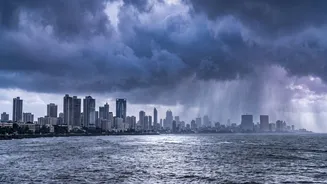
The numbers paint a concerning picture. As of late August 2026, cumulative rainfall across the country was tracking a deficit of around 13-15% below the long-period average. Some forecasts predict this could become the weakest monsoon since the drought year of 2009. The situation is not uniform; while some regions have seen floods from intense, short bursts of rain, vast agricultural belts have remained parched. The southern peninsula and eastern India have been particularly hard-hit. With below-normal rainfall also predicted for September, a critical month for maturing summer crops, the overall seasonal deficit is expected to worsen.
The Impact on Farms and Food
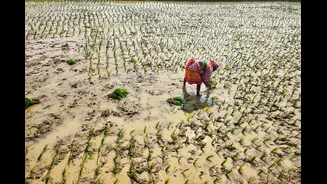
A weak monsoon directly threatens India's agricultural backbone. The Kharif (summer) sowing season, which depends heavily on monsoon rains, has been sluggish. Key crops such as pulses, soybeans, cotton, and corn are facing moisture stress, which could lead to lower yields. This has a domino effect: reduced farm output can lead to lower rural incomes, dampening demand for goods from tractors to two-wheelers. It also puts upward pressure on food prices. The threat of food inflation is a major concern, as lower supply of vegetables, pulses, and cereals could squeeze household budgets across the country.
Beyond the Fields: Water and Power
The consequences of a poor monsoon extend far beyond agriculture. The rains are crucial for replenishing India's reservoirs, which supply drinking water to countless cities and towns and are essential for hydroelectric power generation. Lower reservoir levels can lead to water rationing in urban areas and reduced power output, putting a strain on the energy grid, especially as hotter, drier weather increases demand for cooling. Furthermore, poor rainfall affects soil moisture, which is critical for the upcoming Rabi (winter) crop season. A dry end to the monsoon could leave soil with inadequate moisture for planting crops like wheat and rapeseed.