






In the complex world of Israeli politics, the term 'caretaker government' can be misleading. While it suggests a limited, temporary role, the reality is that a prime minister in this position retains significant executive authority.
What is a Caretaker Government?
A caretaker or transitional
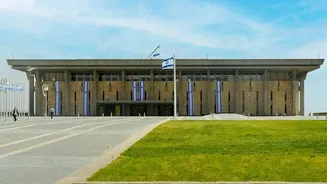
government comes into being when a new Knesset (parliament) is elected, the existing government resigns, or it loses a confidence vote. Its primary purpose is to prevent a 'governance vacuum' by ensuring the state continues to function until a new, stable government is formed. In Israel's often-fractured political landscape, which can see long periods of negotiation after an election, this transitional phase can last for months. The current political stalemate, with neither Prime Minister Benjamin Netanyahu's bloc nor his rival's securing a clear majority, means the caretaker government remains in place while coalition negotiations continue.
The Legal Basis for Full Authority
Israel’s Basic Law: The Government, which functions like a constitution, is explicit on this point. Section 30 states that an outgoing government 'shall continue to carry out its functions until the new government is formed'. The law itself places almost no formal restrictions on a caretaker government's powers. This legal foundation ensures continuity in all state affairs, from domestic administration to foreign relations and security. In fact, the law even expands certain powers, allowing a caretaker prime minister to appoint a new minister to replace one who has left office without needing approval from the Knesset.
Powers Retained and Unwritten Rules
A caretaker government, led by the prime minister, continues to manage the country's day-to-day affairs, including crucial security matters. This includes the authority to make significant military decisions, and the law makes no distinction between a regular and a caretaker government when it comes to initiating military action. However, while the written law is permissive, a set of unwritten rules and judicial precedents call for 'restraint'. The Supreme Court has established that a caretaker government, which lacks a fresh democratic mandate, should avoid making major policy changes or high-level appointments unless there is a pressing and essential need. This creates a delicate balance between legal authority and public legitimacy.
The Controversy and Netanyahu
The extensive powers of a caretaker leader become particularly contentious during periods of intense political polarisation, especially with a figure like Benjamin Netanyahu at the helm. Opponents express concern that a leader without a clear electoral mandate might make far-reaching decisions, whether for political gain or to shape policy long after they might leave office. Specific worries have been raised about Netanyahu's authority to make security decisions, including those concerning Iran, while in a caretaker capacity. These concerns are amplified by the fact that a prime minister in this role can dismiss ministers, command the security apparatus, and direct foreign policy, all while the process of forming a new government is gridlocked.
Historical Precedents and What's Next
Israel has seen past caretaker governments make major decisions. In December 2008, the transitional government of Ehud Olmert launched Operation Cast Lead in Gaza. This and other precedents show that caretaker governments are not merely placeholders. They are fully empowered executive bodies guided by a legal framework that prioritises state continuity above all else. While judicial oversight and an expectation of self-restraint exist, the prime minister's executive authority remains largely intact. As long as political instability continues and no new government secures the confidence of the Knesset, the caretaker government will continue to wield its considerable power, navigating both the letter of the law and the unwritten conventions of Israeli governance.