







The Rise of the NRI Investor
NRI investment in Indian real estate has become a powerful force. Once primarily driven by a desire to own a home in their country of origin, the motivation is now increasingly strategic. Favourable currency exchange rates, which increase the purchasing
power of those earning in dollars or dirhams, make Indian property seem more affordable compared to global cities. Combined with India's strong economic growth and more transparent regulations like RERA, NRIs are viewing real estate not just as an emotional anchor, but as a core asset for long-term financial planning. Industry reports suggest NRIs could account for nearly 20% of total real estate investments, a figure that has climbed significantly in recent years.
Hotspots and Preferences: Where the Money Goes
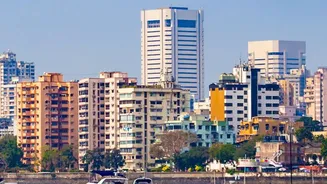
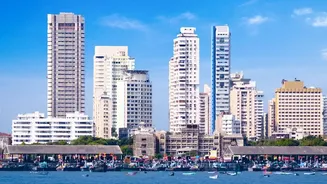
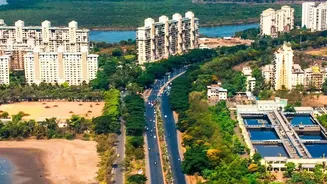
NRI capital is not spread evenly across the country. It is highly concentrated in specific segments and locations. The primary targets are premium and luxury properties in major metropolitan areas like Mumbai, Bengaluru, Delhi-NCR, Hyderabad, and Pune. NRIs show a strong preference for gated communities, high-rise apartments with modern amenities, and properties from reputable, branded developers that promise quality and security. Increasingly, there is also a spillover into promising Tier-II cities with strong infrastructure and family connections, such as Lucknow, Kochi, and Coimbatore. They are less likely to invest in the affordable housing segment, focusing instead on properties in the ₹1-5 crore ticket size in metros.
The Real Impact on Property Prices
For local buyers, the most pressing question is affordability. The influx of NRI capital does put upward pressure on prices, but this is most acute in the premium and luxury segments where their interest is focused. In specific, high-demand micro-markets within cities like Bengaluru's Whitefield or Gurugram's Golf Course Road, the competition from NRI buyers can be intense, making it harder for salaried domestic purchasers. This can create a ripple effect, but it's important to note that NRIs are not the sole cause of rising prices. Domestic demand, inflation, and local market dynamics remain the primary drivers of the overall market. However, in the premium category, NRI buyers are a significant factor, accounting for up to a quarter of sales in some marquee projects.
How Developer Focus Is Shifting
The preferences of NRI buyers are influencing what gets built. To cater to this affluent clientele, developers are recalibrating their projects to offer world-class amenities, concierge services, and post-possession property management. There is a clear trend towards building larger homes, branded residences, and well-planned communities that mirror global living standards. While this elevates the quality of housing stock at the high end, it can also lead to a reduced focus on the mid-range and affordable segments, potentially creating a supply gap for many local first-time buyers. The market is adapting to a buyer who values professionally managed, secure, and amenity-rich environments, a trend that benefits all premium buyers but may sideline others.
Finding Your Edge as a Local Buyer
Despite the competition, local buyers possess distinct advantages. Your physical presence is a significant asset. You can conduct multiple site visits, thoroughly inspect the property and neighbourhood, and engage directly with sellers and developers without relying on a Power of Attorney (POA). Accessing finance is often more straightforward for resident Indians, with a wider array of loan products and a simpler documentation process. Furthermore, your intimate knowledge of the local area, its future development plans, and its cultural nuances is an invaluable tool that an overseas buyer can't easily replicate. This on-the-ground intelligence allows you to spot opportunities and risks that may not be apparent from a distance.