








Embrace Active Commuting
One of the simplest and most impactful changes is rethinking your daily commute. Swapping a car or motorbike for active transport like walking or cycling can have profound health benefits. A study focusing on India found that people who walk or cycle
to work are significantly less likely to be overweight or have high blood pressure and diabetes. Integrating just 30 minutes of walking or 20 minutes of cycling into your daily routine can reduce mortality risk by over 10%. This habit isn't just a workout; it's a practical way to build physical activity into a busy schedule without needing extra time for the gym. Beyond personal fitness, choosing active mobility helps reduce traffic congestion and air pollution, contributing to a healthier environment for everyone.
Seek Out Green Oases
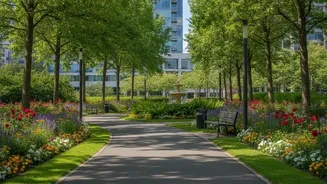
In the concrete jungle, green spaces are essential for both mental and physical renewal. Research consistently shows that spending time in parks, gardens, or any area with trees and plants can lower stress, reduce anxiety, and improve your mood. Exposure to nature helps lower levels of cortisol, the body's primary stress hormone. Studies suggest that even short, regular visits to green spaces can make a difference; one study found that as little as 30 minutes a week can lead to a reduction in depressive symptoms. These natural environments also encourage physical activity and can improve air quality, providing a much-needed respite from the pollution and noise of urban life.
Cultivate Social Connections
Cities are full of people, yet urban loneliness is a common struggle. It's easy to feel isolated even when surrounded by millions. Making an effort to build and maintain social connections is crucial for long-term mental health. Strong social bonds can buffer against stress and are linked to a lower risk of anxiety and depression. Research shows that people with better social connections tend to live longer, healthier lives. Unlike smaller towns, cities offer countless opportunities to meet new people through hobbies, classes, or community events. Even casual interactions in shared community spaces can foster a sense of belonging and combat the social isolation that can accompany a fast-paced urban lifestyle.
Navigate the Urban Food Landscape
The convenience of city living often extends to food, with fast food and highly processed meals readily available. This can lead to a 'Westernized' diet that is associated with a higher risk of chronic diseases. However, urban centres also offer incredible diversity in healthy food options if you know where to look. The key is to plan ahead. Prioritise home cooking when possible and explore local markets for fresh produce. When eating out, look for healthier alternatives. Mindful eating, even in a fast-paced environment, can help you avoid the pitfalls of convenience and maintain a balanced diet, which is fundamental for preventing long-term conditions like heart disease and diabetes.
Manage Environmental Stressors
Constant noise, high population density, and air pollution are significant stressors in many cities. Chronic exposure to traffic noise can elevate stress hormones and increase the risk of hypertension. While you can't eliminate these factors, you can mitigate their impact. Use high-quality air purifiers at home and try to exercise in parks or less polluted areas. Practice mindfulness or meditation to create moments of calm amidst the chaos. Taking deliberate steps to reduce your exposure to environmental stressors and manage your response to them is a vital habit for protecting your long-term physical and mental health in an urban setting.