
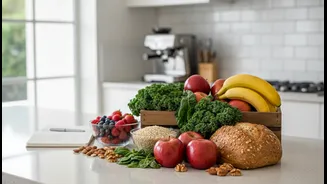




What Is Food Literacy, Really?
Food literacy is the ability to make informed and healthy food choices consistently. It’s not about memorising calorie counts or banning treats, but about understanding where food comes from and how it affects our bodies. For young people in India, this
skill is more crucial than ever. With a rise in both undernutrition and obesity among adolescents, the ability to navigate a complex food landscape is a form of self-care. It equips them to distinguish between marketing hype and nutritional fact, a challenge when faced with a flood of packaged goods and persuasive advertising. Ultimately, food literacy empowers children to build a positive and lasting relationship with what they eat, forming the foundation for lifelong health and well-being.
Decoding Labels: Your Supermarket Guide
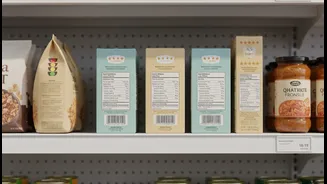
The first step to making smart choices is understanding what's in your food. In India, the Food Safety and Standards Authority of India (FSSAI) mandates clear labelling. Urging consumers to 'flip the pack' is a key FSSAI initiative. When you do, look at the ingredients list first; they are listed in descending order by weight. If sugar, salt, or refined flour (maida) are in the top three, it's a red flag. Pay attention to the nutritional information panel, especially the serving size, as all values are based on that specific quantity. New regulations are making this even easier with front-of-pack labelling that highlights high fat, sugar, and salt content. Also, don't forget to check for the FSSAI logo and license number, allergen declarations, and the green dot for vegetarian or brown dot for non-vegetarian products.
The Art of Indian Portion Control
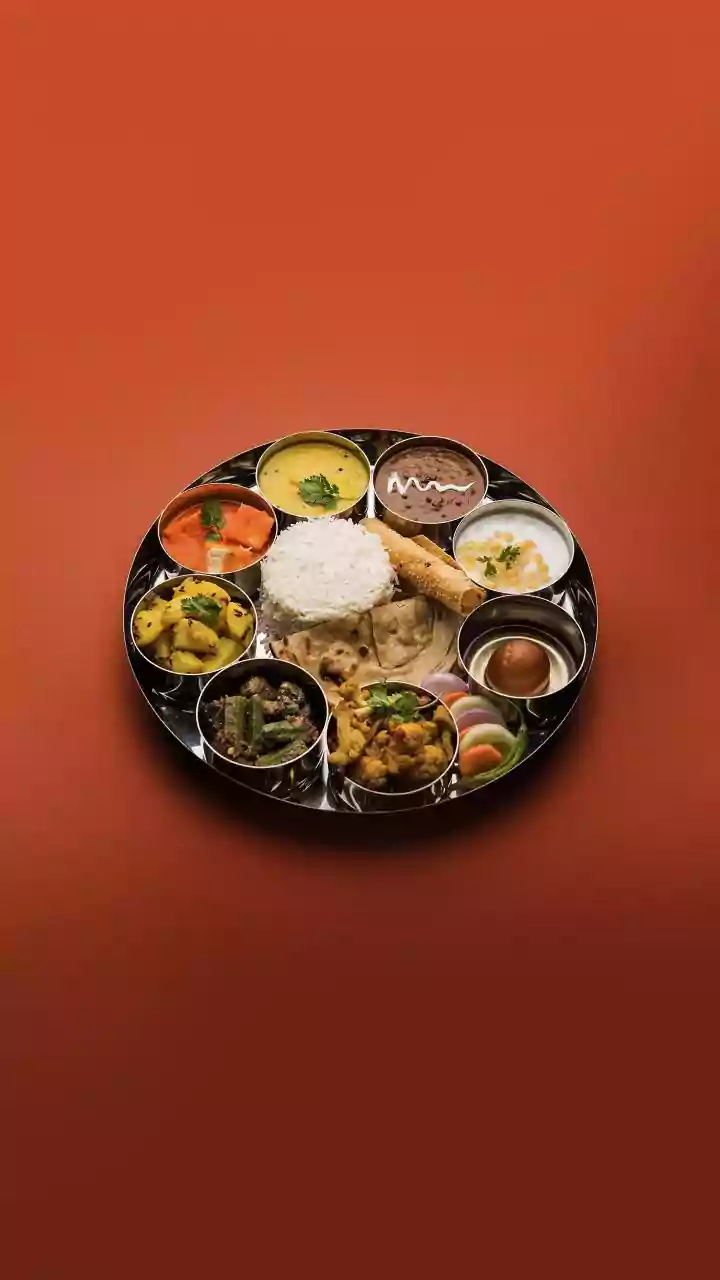
Portion control in an Indian context doesn't have to mean using a weighing scale for every meal. For generations, the traditional 'thali' has been a model of balanced portions, offering small servings of various items like dal, sabzi, roti, and rice. This variety naturally helps you feel satisfied without overeating any single component. A simple way to gauge portions is by using your hands: a fist-sized portion for carbs like rice, a palm-sized portion for protein such as dal or paneer, and at least two fist-sized portions for vegetables. Simple habits like using smaller plates, serving food in the kitchen instead of on the table, and eating without distractions like phones or TV can significantly reduce mindless overeating. This approach isn't about restriction but about awareness.
Meal Planning: Your Weekly Secret Weapon
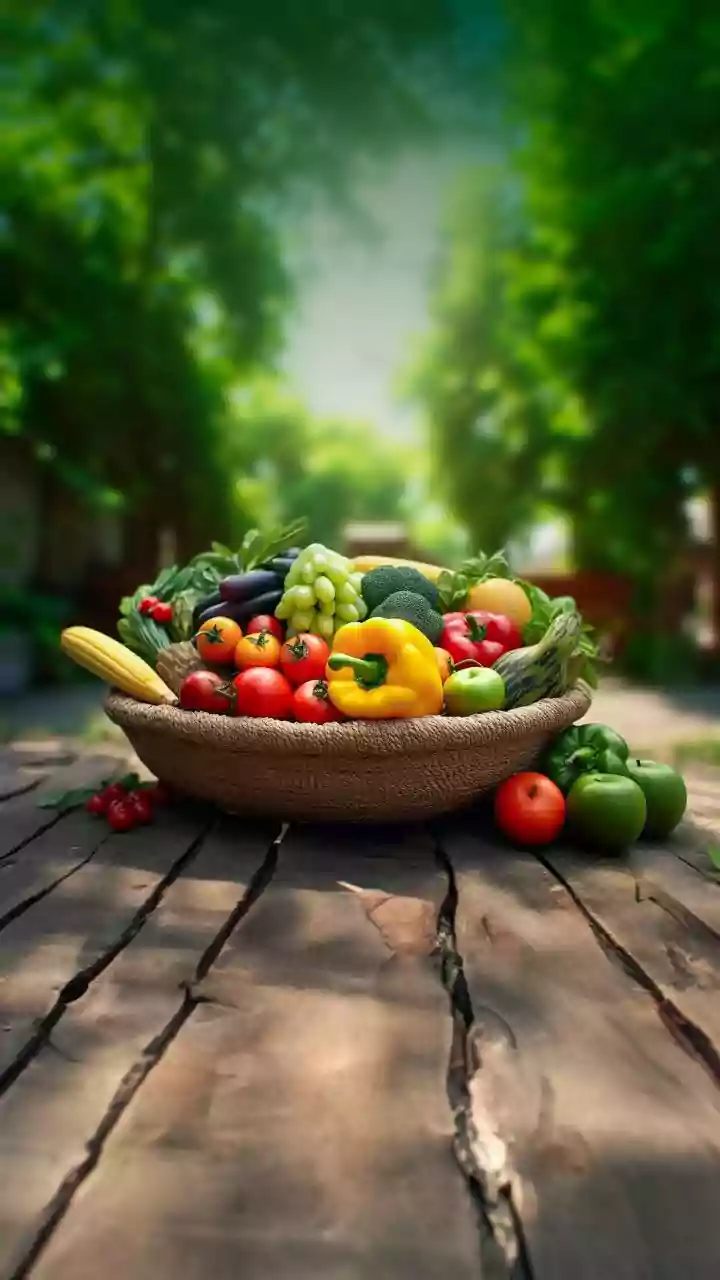
Meal planning is the process of deciding what you’ll eat in advance, and it's a powerful tool for improving a family's nutrition. Taking just a couple of hours on a Sunday can set you up for a week of healthier, less stressful meals. A balanced Indian meal plan includes a variety of protein sources like dal, paneer, and eggs, whole grains such as whole wheat rotis and brown rice, and plenty of fresh vegetables. Planning helps you create a diverse menu, ensuring your family gets a wide range of nutrients. It also makes grocery shopping more efficient and budget-friendly. You can prep ingredients in advance, like chopping vegetables, making ginger-garlic paste, or boiling beans, which makes weekday cooking much faster and less likely to be replaced by a last-minute takeaway.
Supportive Environments: Making Healthy Choices Easy
A child's food choices are heavily influenced by their environment. Creating a supportive food environment means making healthy options the most accessible and appealing ones. At home, this can involve stocking the pantry with nutritious snacks, involving children in cooking and meal planning, and serving meals family-style to encourage trying new foods without pressure. It also means fostering mindful eating habits, like eating together without screens. Schools also play a vital role through initiatives like the Mid-Day Meal Scheme and nutrition education programs. When communities, schools, and families work together to promote healthier eating, it empowers children to make better choices for themselves, not because they have to, but because it’s the natural thing to do.