






The End of the Metro Mandate
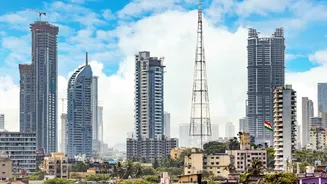
The long-held belief that a high-flying career was exclusive to metropolitan hubs like Bengaluru, Mumbai, or Delhi is starting to fade. A significant socio-economic shift is seeing skilled young professionals opt out of the urban grind. Instead of migrating,
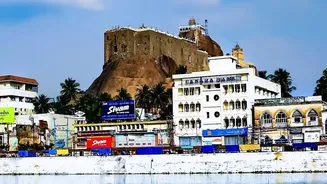
they are building sustainable careers from their hometowns in Tier-2 and Tier-3 cities such as Jaipur, Lucknow, Coimbatore, and Nagpur. This isn't about compromising on ambition; it's about leveraging the digital economy to redefine what a successful career looks like. The rise of freelancing, coupled with a growing acceptance of remote work, has unlocked opportunities that were once geographically constrained. This phenomenon, often termed 'reverse migration' or 'hometown talent retention', is not just a handful of anecdotes but a growing movement reshaping India's economic and social fabric.
Digital Infrastructure as the Great Equaliser
This transformation is built on a digital backbone. Government initiatives like the Digital India programme and the Pradhan Mantri Gramin Digital Saksharta Abhiyan (PMGDISHA) have been pivotal in bridging the urban-rural divide. The widespread availability of affordable, high-speed internet—with 4G now covering nearly 99.5% of the rural population—has democratized access to the global marketplace. Today, a graphic designer in Udaipur or a software developer in Kochi can compete for the same projects as their counterparts in major cities. Data shows that digital literacy is surging, with over 82% of rural youth aged 15-24 now able to access the internet, empowering them to use digital tools for education, skill-building, and employment.
The Allure of Home and a Better Quality of Life
The benefits of working from a smaller town extend far beyond the professional realm. A significantly lower cost of living is a primary driver. Expenses on rent, transport, and daily necessities are a fraction of what they would be in a metro, allowing freelancers to save more and enjoy a higher disposable income. Beyond finances, there's the invaluable advantage of being close to family, culture, and community. This support system, combined with a less stressful lifestyle free from traffic congestion and pollution, contributes to better work-life balance and overall well-being. The ability to earn a competitive income while enjoying the comforts of home is a powerful proposition that is convincing many to stay put.
High-Demand Skills Powering the Movement
The freelance boom in smaller towns is powered by demand for specific, digitally-transferable skills. Industries like IT, digital marketing, and content creation are leading the charge. High-demand roles include web and app development, UI/UX design, SEO, social media management, and content writing. As businesses globally continue to digitise, the need for these specialised skills has exploded. Platforms like Upwork and Fiverr connect Indian freelancers with a global client base, making their location irrelevant. Furthermore, emerging fields like AI prompt engineering, data analytics, and cybersecurity are creating new, high-paying opportunities for those willing to upskill, with some specialised freelancers earning upwards of ₹20 lakh per annum.
Navigating the Challenges Ahead
Despite the immense potential, the path of a small-town freelancer is not without its hurdles. Irregular income streams, the constant need to find new clients, and payment delays are significant challenges that require strong financial discipline. Unlike traditional employment, freelancing offers no safety net in the form of employee benefits like provident fund, gratuity, or corporate health insurance. Furthermore, while connectivity has improved, infrastructure gaps and unreliable electricity can still be a problem in certain areas. Aspiring freelancers must also navigate the complexities of taxation, such as GST and income tax, which can be more complicated than for salaried individuals.