




The New Mindset: Moderation Over Restriction
The old approach to festive eating was often one of extremes: either you completely avoided your favourite treats, feeling deprived, or you indulged without limits, leading to guilt and discomfort. Today, a healthier, more sustainable mindset is taking
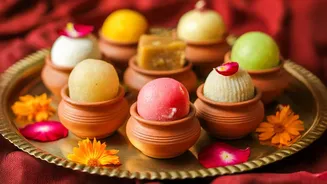
hold. Experts and nutritionists are increasingly advocating for conscious eating, where the goal isn't to label foods as 'good' or 'bad', but to enjoy them mindfully. This shift acknowledges that food is a central part of celebration and culture. Denying yourself entirely can lead to stronger cravings and potential overeating later. The new philosophy is about balance, allowing for mindful indulgence without derailing your well-being. It's about enjoying a homemade gulab jamun because it's special, not because it's a 'cheat meal'. This psychological shift fosters a more positive relationship with food, where pleasure and health can coexist.
The Art of Portion Control
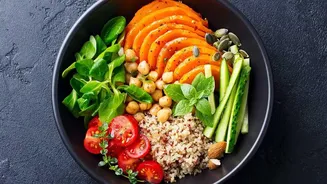
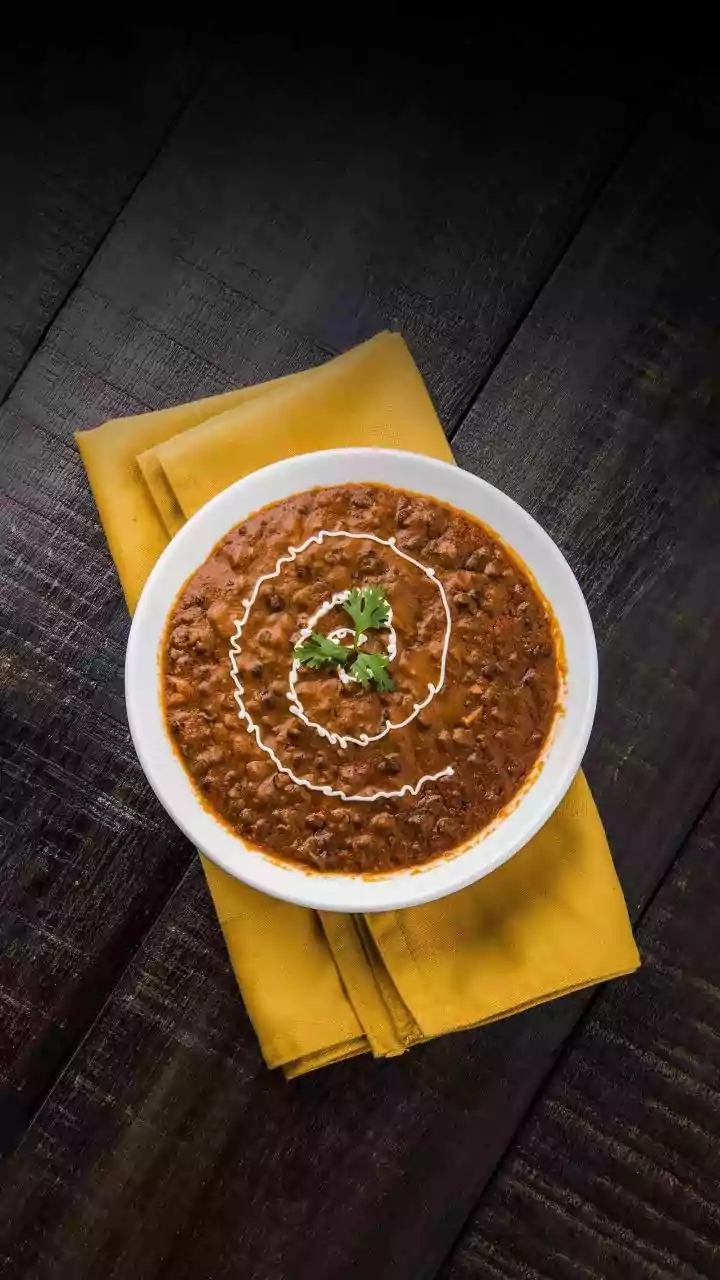
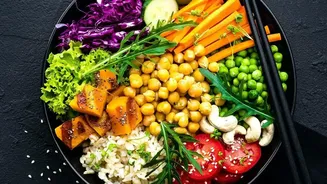
Portion control is the cornerstone of this new approach, but it doesn't mean eating tiny, unsatisfying meals. It’s about being strategic. One of the most effective tips is to use a smaller plate, which can psychologically help you feel satisfied with less food. When faced with a buffet, try the 'one-plate rule': fill your plate once with the items you most want to try, and stick to that. Rather than sampling everything, prioritise your absolute favourites. Another helpful strategy is to visually divide your plate: fill half with vegetables or salad, a quarter with a lean protein like dal or paneer, and the remaining quarter with carbohydrates like rice or roti. This ensures a balanced meal that provides satiety. For sweets, which are an integral part of Indian festivals, the idea is to savour a small, bite-sized piece instead of having multiple servings. The focus is on quality and enjoyment over sheer quantity.
Embracing Variety for a Balanced Plate
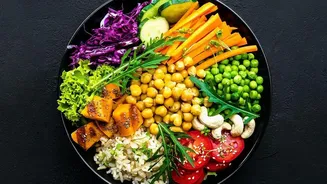
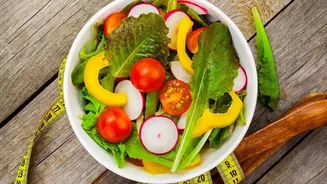
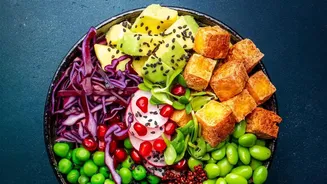
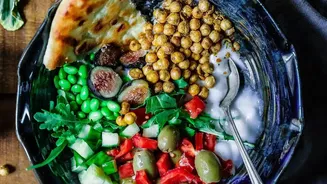
Variety is not just the spice of life; it’s also key to balanced festive eating. Instead of a plate loaded only with fried snacks and rich curries, the modern approach encourages a diverse spread. Start your meal with fibre-rich options like a fresh salad or roasted vegetables. This not only adds nutrients but also helps you feel full, reducing the chances of overeating heavier dishes. When you have a plate with a rainbow of colours from different vegetables, you’re naturally getting a wider range of vitamins and antioxidants. Don't be afraid to make smart swaps. If possible, opt for baked, grilled, or air-fried versions of snacks over deep-fried ones. Many are also reviving traditional recipes that use less sugar, like lauki kheer or beetroot halwa. Balancing rich, celebratory dishes with lighter, fresher components is crucial. Think of it as complementing the indulgent foods, not replacing them entirely.
Routine as Your Festive Anchor
Festivals can disrupt our daily schedules, from sleep to meal times. However, maintaining some semblance of a routine can be a powerful tool for staying balanced. One of the most common mistakes is skipping meals to 'save calories' for a big feast later. This often backfires, leading to extreme hunger and overeating. It's far better to have your regular meals, even if they are lighter, throughout the day. Staying active is another crucial part of the routine. You don't need to stick to an intense gym schedule, but incorporating light activity like a post-meal walk can aid digestion and boost energy levels. Hydration is also key; often, we mistake thirst for hunger. Sipping on water, coconut water, or buttermilk throughout the day can prevent mindless snacking. Finally, prioritising sleep helps regulate appetite hormones and gives you the energy to fully enjoy the festivities.