







1. Mushrooms: The Sunshine Vitamin Stand-In
When gray skies limit your sun exposure, your body’s ability to produce Vitamin D—the “sunshine vitamin”—takes a hit. This is where mushrooms come in. They are one of the few plant-based sources of Vitamin D, a crucial nutrient for immune function and
mood regulation. Some commercially grown mushrooms are even exposed to UV light to significantly boost their Vitamin D levels (check the label). Beyond that, they contain selenium and B vitamins, which are also vital for a healthy immune system. How to use them: Sauté mushrooms with garlic and thyme as a simple side dish, add them to hearty soups and stews, or use them as a meaty substitute in pasta sauces and tacos. They absorb flavor beautifully, making them a versatile kitchen staple.
2. Citrus Fruits: The Classic Immunity Boosters
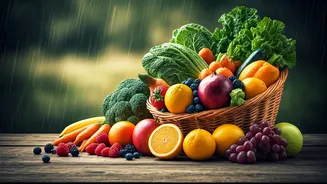
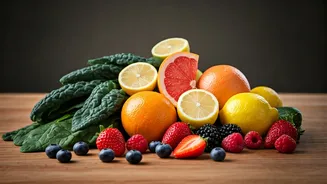
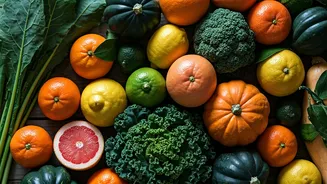
It’s no secret that oranges, grapefruits, lemons, and limes are packed with Vitamin C. While it won't magically cure a cold, this powerful antioxidant plays a well-documented role in supporting the various cellular functions of your immune system. During periods of physical or environmental stress—like fending off seasonal bugs—your body's demand for Vitamin C can increase. A diet rich in citrus helps ensure your immune cells have the fuel they need. Plus, their bright, zesty flavors can be a welcome sensory lift on a dreary day. How to use them: Start your day with a glass of warm water and fresh lemon juice, add grapefruit segments to a salad for a tangy kick, or simply peel an orange for a perfect afternoon snack.
3. Sweet Potatoes: The Nutrient-Dense Comfort Food
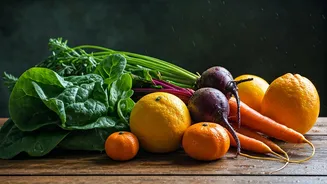
Nothing says cozy like a warm sweet potato. This fall and winter favorite is more than just comforting; it’s a nutritional powerhouse. Sweet potatoes are loaded with beta-carotene, which your body converts into Vitamin A. This vitamin is essential for maintaining the health of your skin and the mucosal linings in your respiratory tract—your body’s first line of defense against pathogens. They are also an excellent source of fiber, which supports a healthy gut microbiome, another cornerstone of strong immunity. How to use them: Roast them whole until soft and creamy, mash them as a side dish, or cube and bake them into crispy, seasoned fries. They also add a natural sweetness and thick texture to soups.
4. Ginger and Turmeric: The Anti-Inflammatory Duo
Chronic inflammation can weaken your body's defenses over time. Spices like ginger and turmeric are renowned for their potent anti-inflammatory properties. Ginger contains gingerol, a compound that can help soothe sore throats and reduce inflammatory responses. Turmeric’s active ingredient, curcumin, is a powerful antioxidant that has been studied extensively for its ability to fight inflammation at a molecular level. Together, they make a formidable team for supporting overall wellness. How to use them: Brew fresh ginger root into a warming tea with lemon and honey. Add a teaspoon of turmeric to soups, curries, or even your morning smoothie (a pinch of black pepper helps increase curcumin absorption).
5. Dark Leafy Greens: The Year-Round Essentials
While you might associate them with summer salads, hardier greens like kale, Swiss chard, and collards are at their peak in the cooler months. These greens are incredibly nutrient-dense, offering a wealth of Vitamins A, C, and K, as well as folate and iron. Vitamin C supports the immune system, while iron helps fight the fatigue that can feel especially draining during darker months. Their high antioxidant content also helps protect your cells from damage. How to use them: Braise collard greens for a classic Southern side, wilt spinach into pasta dishes or eggs, or blend kale into a fruit smoothie to mask its bitter edge while reaping all the benefits.