








A Growing Global Appetite
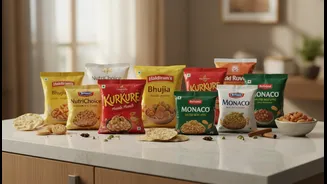
From London to New York and Sydney, the demand for Indian snacks and spices has never been higher. India is the world's largest producer, consumer, and exporter of spices, with exports valued at over $4 billion annually. This booming international market
means that beloved household names like Haldiram's, MDH, and Everest are more accessible than ever before. These brands are not just products; they are cultural ambassadors, offering a taste of home to millions and introducing a universe of flavour to new audiences. However, this rapid expansion has also brought Indian food products under the intense lens of international food safety regulators.
The Ethylene Oxide Controversy
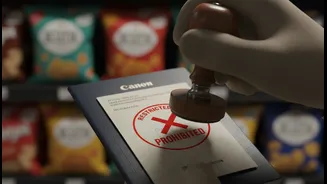
The most significant recent issue centres on ethylene oxide (ETO), a pesticide used to sterilize spices and reduce microbial contamination. In April 2024, food regulators in Hong Kong and Singapore suspended sales of certain spice blends from iconic brands MDH and Everest after detecting levels of ETO that exceeded their safety limits. Ethylene oxide is classified as a carcinogen, and while it is permitted for use in some jurisdictions, including India, with strict maximum residue limits (MRLs), the European Union has a zero-tolerance policy. Following the recalls in Asia, countries like the U.S., U.K., and Australia began their own investigations into Indian spice imports. This discrepancy in regulations has sparked a debate: if a product is considered potentially unsafe for one market, why is it acceptable in another?
Beyond Spices: Snacks Under Scrutiny
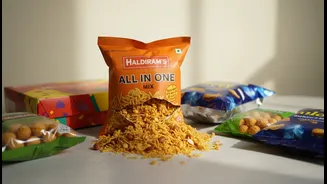
The problem is not limited to powdered spices. Snack foods have also faced significant scrutiny. Data from the U.S. Food and Drug Administration (FDA) shows a surge in refusals of Indian food shipments in recent years. For example, in the last six months of the 2023-2024 US fiscal year, nearly a third of MDH's spice-related shipments were rejected for salmonella contamination. Well-known snack maker Haldiram's has also faced numerous import rejections in the US for issues including pesticides and the presence of salmonella. In other cases, recalls have been initiated for different reasons. In early 2026, several Indian sweets like laddoo and pinni were recalled in the US for containing undeclared milk, a serious risk for those with allergies. Similarly, batches of 'murukku' and 'Kerala mixture' snacks have been recalled in the US and UK for undeclared allergens like milk and sesame.
Decoding Labels and 'Gray Market' Goods
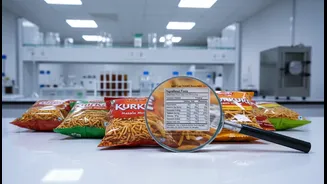
One of the key challenges for consumers is navigating what's on the shelf. Sometimes, products intended for the Indian domestic market are exported abroad without authorisation by what are known as "gray market" importers. These products may not meet the labelling and ingredient standards of the destination country. For instance, Haldiram's has noted in legal filings that its products intended for the U.S. market have different formulations and FDA-compliant labelling compared to versions sold in India, which are often marked "NOT FOR EXPORT". Unauthorised importers may place makeshift nutrition stickers over the original packaging, creating confusion for consumers. This was highlighted in a case where MTR Sambar Powder was recalled in the US due to salmonella fears; the company clarified that the recalled batch was an expired, domestic Indian product sold by an unauthorised importer.
How to Be an Informed Consumer
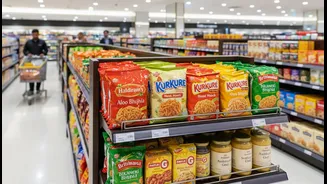
While regulatory bodies in India and abroad are taking steps to address these issues—such as mandatory ETO testing for some exports—consumers can also take action to protect themselves. Start by purchasing from large, reputable retailers who are more likely to source their products through official channels. Examine the packaging closely. Look for professional, FDA-compliant nutrition and ingredient labels specific to your country, not stickers placed over foreign-language text. Be wary of products marked for sale only in India. If you have a food allergy, be extra cautious, as undeclared allergens have been a recurring reason for recalls. Finally, stay informed about recall alerts from your local food safety agency, such as the FDA in the US or the Food Standards Agency (FSA) in the UK.