





The Allure of the Monsoon Trek
For years, the conventional wisdom for trekkers around Bengaluru was to wait for drier days. The monsoon meant slippery paths, leech-infested trails, and obscured views. But a significant shift is underway. A growing number of adventurers are now shunning
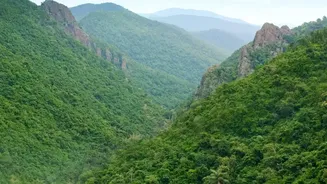
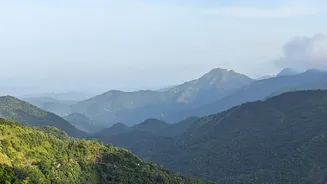
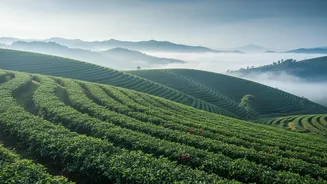
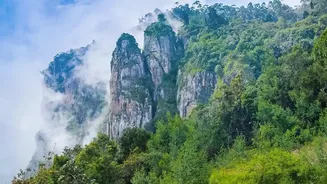
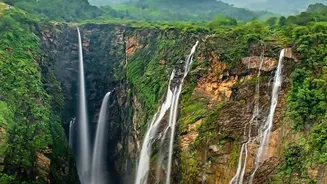
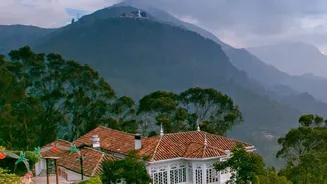
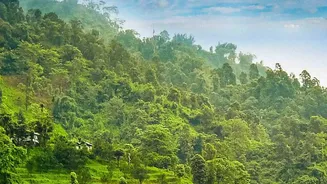
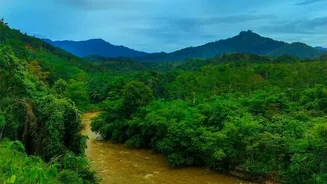
the fair-weather crowds and embracing the unique challenges and rewards of trekking in the rain. The Western Ghats, easily accessible from the city, transform into a vibrant, living paradise during the monsoon. Waterfalls like those near Kodachadri and Bandaje, which are mere trickles in the summer, become roaring cascades. The landscape, often parched and brown, explodes into a thousand shades of green, offering a sensory experience that dry seasons cannot match. Trekkers speak of the meditative sound of rainfall on the forest canopy and the feeling of walking through the clouds as they ascend misty peaks like Tadiandamol or Kudremukh.
From Obstacle to Main Attraction
What was once an off-season is now a thriving niche. This change is driven by a desire for experiences that feel more authentic and less commercialised. Offbeat tourism is on the rise, with travellers actively seeking destinations away from the usual crowded spots. Hill stations like Sakleshpur, once considered quiet getaways, are now buzzing with trekkers drawn to the dramatic monsoon scenery. Social media plays a role, with stunning images of fog-draped peaks and lush valleys inspiring many to pack their rain gear. But it's also a deeper trend: a move towards appreciating nature in its rawest form. The monsoon trek isn't just about reaching a summit; it’s about the journey through a revitalised ecosystem. This has allowed for a more sustainable, year-round tourism model to emerge, breaking the seasonal dependency that often limits local economies.
Popular Trails Reimagined by Rain
Many of the well-known trekking spots near Bengaluru offer a completely different character during the monsoon. Kudremukh, with its iconic 'horse-face' peak, becomes a challenging but rewarding adventure through dense forests and gushing streams. The trail to Tadiandamol, Coorg's highest peak, winds through vibrant coffee plantations and grasslands that seem to touch the clouds. Even shorter, one-day treks have found new appeal. The path to Makalidurga fort, for instance, becomes a dramatic ascent with panoramic views of a rain-swept landscape. Organisers and trekking groups now specifically curate monsoon itineraries, often highlighting features like waterfalls or ridge walks that are at their best during this season. This curated approach ensures that even beginners can experience the magic of the monsoon, provided they come prepared.
A Lifeline for Local Communities
This burgeoning trend is breathing new life into local economies that have traditionally seen a slump during the rainy season. The influx of weekend trekkers supports a wide range of small businesses. Local guides, who possess invaluable knowledge of the terrain and weather conditions, are in high demand. Small eateries and homestays in villages that serve as base camps for treks like Kudremukh or Kodachadri see a steady stream of customers. This distributed model of tourism ensures that revenue doesn't just concentrate in large resorts but flows directly to the communities living in these ecologically sensitive areas. By creating year-round employment opportunities, monsoon trekking helps make tourism a more stable and reliable source of income for many families in the Western Ghats region.
Trekking Smart in the Monsoon
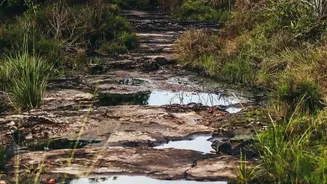
While the experience is rewarding, trekking in the monsoon requires respect for nature and careful preparation. The right gear is non-negotiable. Sturdy trekking shoes with excellent grip are essential to navigate slippery rocks and muddy trails. A reliable waterproof jacket and a rain cover for your backpack will keep you and your essentials dry. It's also wise to pack quick-dry clothing, as cotton fabrics retain moisture and can lead to discomfort. Given the unpredictable weather and reduced visibility, going with an experienced guide or a reputable group is highly recommended. Trekkers are also reminded of their responsibility to leave no trace, ensuring these pristine environments remain beautiful for years to come. Checking weather forecasts and local advisories from the forest department is a crucial final step before setting out on any trail.