






Booking a train ticket online often comes with a small but significant perk: cheap travel insurance. But what about the millions who book at a counter? A new Supreme Court order aims to close this safety gap, ensuring all passengers get a fair choice.
The Digital Divide in Passenger Safety
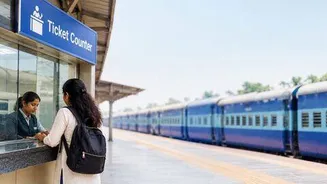
For years, a disparity has existed in the safety net offered to Indian Railways passengers. Those who booked tickets online via the IRCTC website or app could opt for travel insurance for a nominal fee, currently as low as 45 paise. This policy provides financial coverage in the event of death, disability, or injury from a train accident or other untoward incidents. However, this option was entirely unavailable to a large segment of the population: those who purchase their tickets physically at railway station reservation counters. The Supreme Court noted that this group often includes people from economically weaker sections of society who may not have access to digital booking platforms, effectively leaving them without this crucial layer of financial protection.
A Landmark Supreme Court Directive
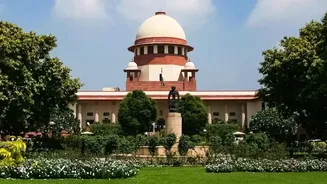
In a significant move to ensure equitable protection for all passengers, the Supreme Court has stepped in. On October 6, 2026, a bench comprising Justices Ahsanuddin Amanullah and R. Mahadevan issued a mandatory directive to Indian Railways. The court ordered that from October 27, 2026, all tickets sold over the counter at every railway station must also be covered by insurance in the same manner as tickets purchased online. This order came during proceedings related to a plea filed after the tragic Odisha train accident in June 2023, which prompted the court to widen its scrutiny of overall passenger safety measures.
What the Mandatory Order Means for You
This ruling marks a major shift from an optional online feature to a mandatory provision for offline bookings. While the existing online scheme is opt-in, the court has directed that all counter tickets 'shall also be covered by insurance'. The court expressed its displeasure with the Railways for the delay in creating a mechanism for this, despite previous assurances. It has placed direct responsibility on the Railway Board to ensure the order is implemented by the deadline, or face consequences. For passengers buying tickets at a counter, this means they will soon have access to the same financial protection as online bookers, a step that closes a long-standing gap in passenger rights.
Implementation and Unanswered Questions
The ball is now firmly in the court of the Railway Board, which has been tasked with the logistical challenge of rolling this out nationwide by October 27. While the directive for parity is clear, several practical details are yet to be clarified by the authorities. It is not yet known what the premium for counter-booked tickets will be, or how it will be collected. The process for issuing insurance certificates, managing documentation, and handling claims for millions of offline passengers needs to be established. Passengers should look out for official announcements from Indian Railways for the final details on how this new, mandatory safety net will function in practice.
A Broader Push for Equitable Safety
This court order is more than just an administrative change; it is a strong statement on digital inclusion and the right to equal protection. The court specifically highlighted that those who buy counter tickets are often from the 'lowest strata of society' and should not be deprived of benefits available to online users. The decision underscores a fundamental principle: essential safety measures should not be a privilege for the digitally savvy but a right for every citizen using a public service. By making insurance accessible to all, the Supreme Court has reinforced that passenger safety and financial security are paramount, regardless of how a ticket is purchased.