






Master Your Kitchen and Fridge
The monsoon's high humidity is a perfect breeding ground for bacteria and mould. This makes proper food storage more critical than ever. Start by ensuring your refrigerator is clean and set at or below 4°C. Don't overcrowd it, as this restricts air circulation
needed for even cooling. Store cooked leftovers in airtight containers and refrigerate them promptly. Keep raw meat, poultry, and seafood separate from cooked foods and fresh produce to avoid cross-contamination. In your pantry, transfer dry goods like flour, grains, and spices into airtight containers to protect them from moisture, which can cause clumping and spoilage.
Handle Produce With Extra Care
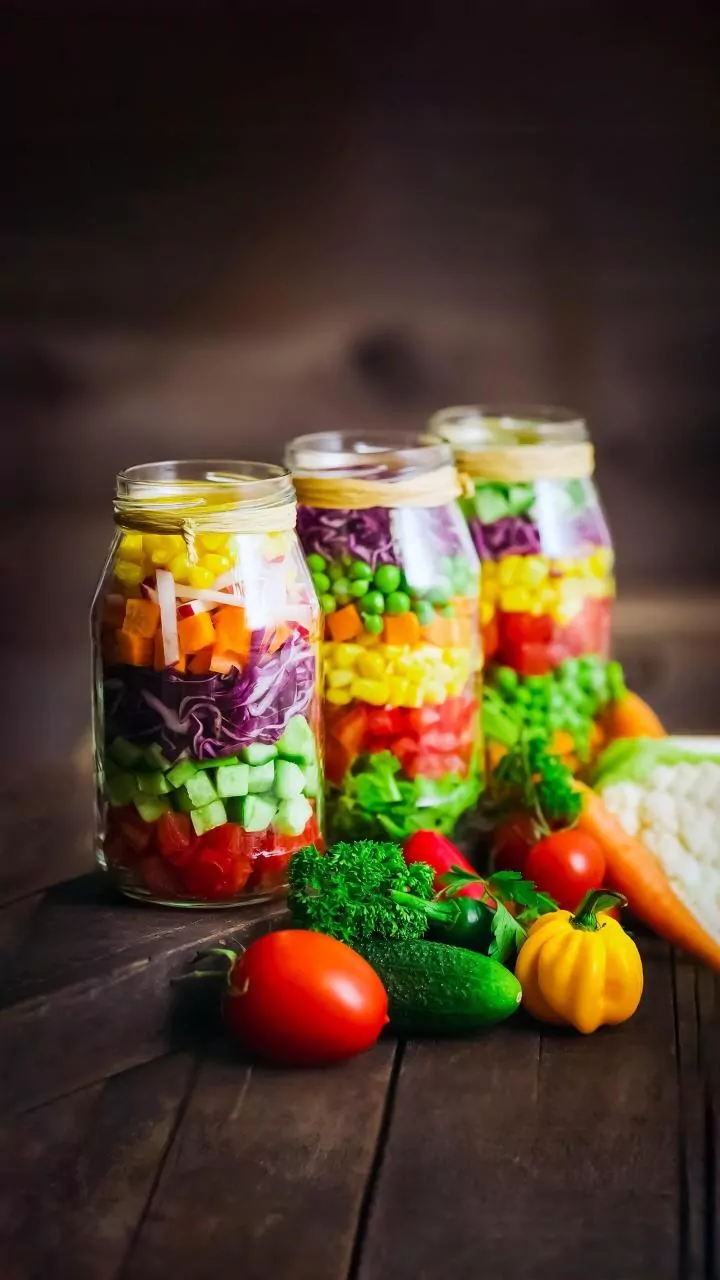
Fruits and vegetables can carry contaminants, especially during the monsoon when they may be exposed to soiled rainwater. Thorough washing is non-negotiable. Rinse all produce under clean, running water. For leafy greens like spinach and cabbage, a 15-minute soak in a bowl of water with salt or a little vinegar can help dislodge germs before a final rinse. It's best to avoid pre-cut fruits and vegetables from vendors, as they have been exposed to the humid air for hours, allowing bacteria to multiply. Cut fruits at home right before you plan to eat them. When it comes to salads, consider steaming or lightly cooking your vegetables instead of eating them raw.
Ensure Your Water is Safe
Water-borne diseases like cholera, typhoid, and gastroenteritis see a significant spike during the rainy season because of the increased risk of water supply contamination. Never assume tap water is safe to drink without purification. The most reliable method is to boil water for at least one full minute. If you use a water purifier, ensure it is serviced regularly and that the filters are changed as recommended by the manufacturer. Be cautious about ice from outside sources, such as in juices or drinks from restaurants, as it is often made from unpurified water. When travelling, always carry your own safe drinking water.
Prioritise Freshly Cooked Meals
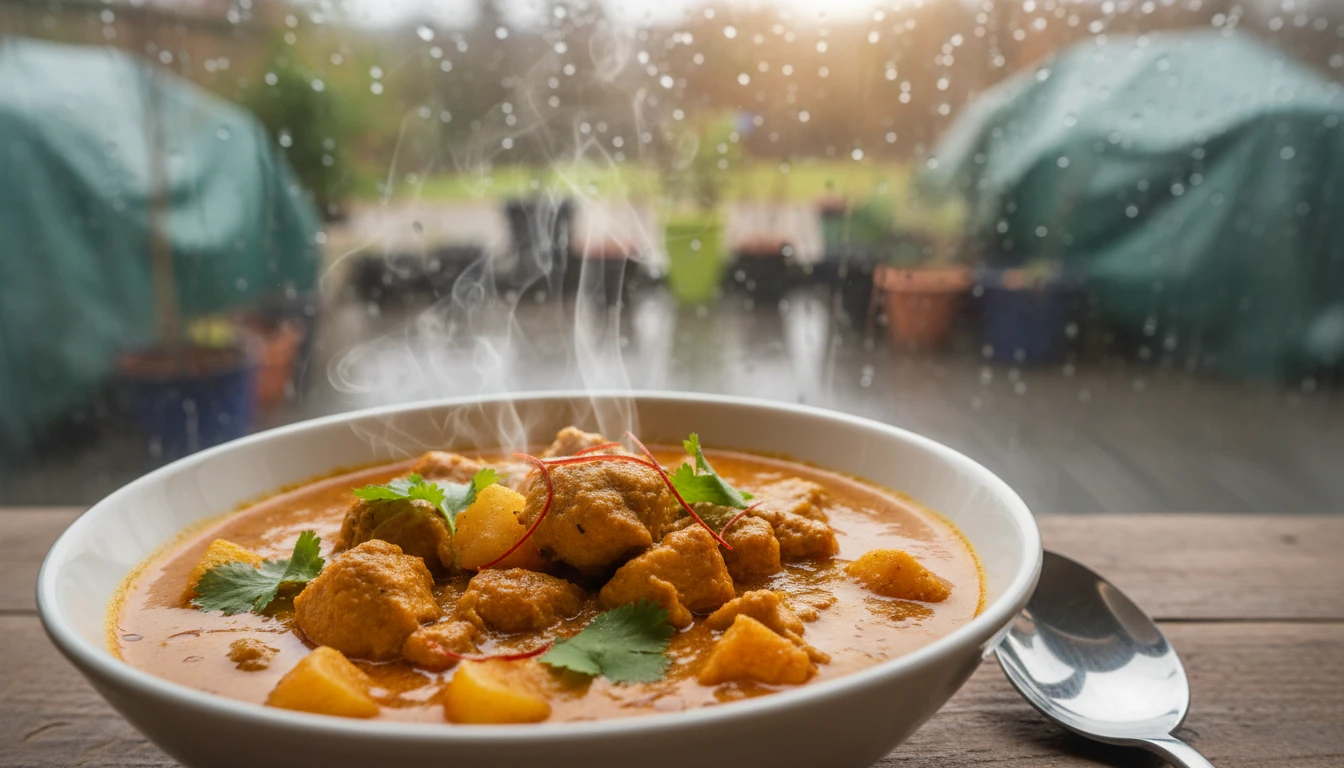
During the monsoon, our digestive system can become more sluggish, making us susceptible to indigestion and bloating. Eating freshly prepared, warm meals is gentler on the stomach and significantly safer. Cooking food thoroughly to a safe internal temperature kills harmful bacteria. Avoid letting food sit out at room temperature for extended periods. It's better to cook in smaller batches that can be consumed in one sitting. Incorporating immunity-boosting ingredients like ginger, turmeric, and garlic into your cooking can also provide an extra layer of protection. Opt for lighter meals like soups and stews, which are both nourishing and easy to digest.
Be Smart About Eating Out
While the craving for hot pakoras or chaat is strongest when it rains, street food poses the highest risk during the monsoon. This is due to the potential use of contaminated water, unhygienic preparation surfaces, and food being exposed to flies and humid air. Items like pani puri, where the water is uncooked, and raw chutneys are particularly hazardous. If you do eat out, choose reputable, clean restaurants over street vendors. Opt for dishes that are cooked to order and served hot, such as steamed snacks like idli or well-cooked main courses, rather than anything raw or pre-prepared.