






The Chemical Culprits in Your Breakfast
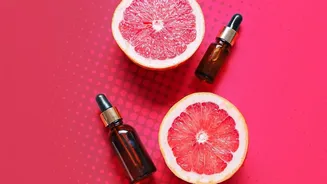
The problem lies with a class of natural compounds in grapefruit called furanocoumarins. These chemicals are the primary reason for the interaction. When you drink grapefruit juice or eat the fruit, these furanocoumarins travel to your small intestine.
There, they encounter a crucial enzyme named Cytochrome P450 3A4, or CYP3A4 for short. Think of CYP3A4 as your body's dedicated cleanup crew for processing medications. This enzyme is responsible for breaking down a vast number of drugs, preparing them for elimination from the body. The furanocoumarins in grapefruit, however, essentially ambush and shut down this enzyme. They bind to it irreversibly, meaning the enzyme is knocked out of commission until your body can produce more, a process that can take over 24 hours.
How the Body Gets an Overdose
With the CYP3A4 enzyme blocked, orally administered drugs that normally would be broken down can no longer be processed effectively in the intestine. Instead of a portion of the drug being metabolised and neutralised, a much larger amount gets absorbed directly into your bloodstream. This can cause the drug's concentration in your blood to skyrocket, sometimes to dangerous or even toxic levels. It's essentially like taking multiple doses of your medication at once, without meaning to. For example, drinking a single 200 ml glass of grapefruit juice can dramatically increase the blood levels of certain statin drugs, raising the risk of serious side effects like muscle damage and kidney injury. In a smaller number of cases, grapefruit can have the opposite effect, blocking drug transporters and reducing a medication's effectiveness.
Common Medications at Risk
The list of medications affected by grapefruit is extensive, with studies identifying more than 85 drugs. It's not a class-wide effect, meaning not all drugs for a specific condition are impacted, but many popular ones are. Key categories include: - Statins: Certain cholesterol-lowering drugs like atorvastatin (Lipitor) and simvastatin (Zocor) are strongly affected, while others like rosuvastatin are not. - Blood Pressure Medications: Some calcium channel blockers, such as nifedipine and felodipine, can reach dangerously high levels, leading to low blood pressure and dizziness. - Anti-Anxiety and Depression Drugs: Medications like buspirone and certain benzodiazepines can have their effects amplified. - Organ Transplant Drugs: Immunosuppressants like cyclosporine and tacrolimus are affected, which is especially risky as their dosage must be precise to prevent organ rejection. - Other Medications: The list also includes some antihistamines, drugs for abnormal heart rhythms like amiodarone, and even treatments for erectile dysfunction like sildenafil.
Is It Just Grapefruit?
Grapefruit is the most well-known offender, but it's not alone. The problematic furanocoumarins are also found in other citrus fruits, including pomelos, tangelos (a cross between a tangerine and grapefruit), and Seville oranges, which are often used to make marmalade. Sweet oranges like navel or Valencia varieties, however, do not contain these compounds and are considered safe. The effect of the interaction can last for several days, so simply separating your medication and the fruit by a few hours won't work. The only way to avoid the risk is to avoid consuming these specific fruits and their juices entirely while on an affected medication.