



Mastering Layered Rain Protection
Forget a single, bulky raincoat. The key to staying comfortable in the humid, rainy conditions of the Ghats is layering. Start with a lightweight, breathable, and fully waterproof rain jacket. Look for one with sealed seams and a hood. Over this, many
trekkers swear by a simple, full-length poncho. A poncho offers superior ventilation, preventing you from getting soaked with sweat from the inside, and has the added benefit of covering both you and your backpack during a sudden downpour.
The Foundation: Waterproofing Your Gear
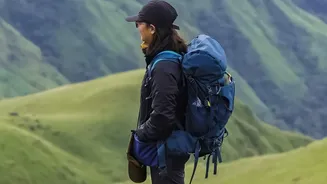
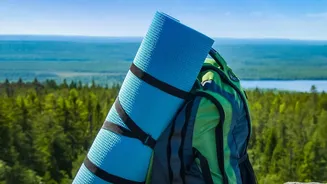
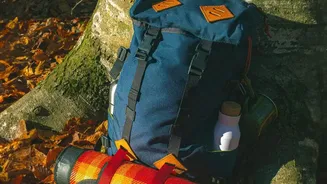
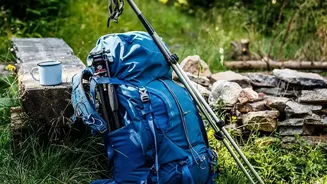
No backpack is truly 100% waterproof, especially during sustained monsoon rains. Your strategy should be two-fold: defence from the outside and the inside. First, invest in a snug-fitting waterproof rain cover for your backpack. Second, and more importantly, line the inside of your pack with a large, heavy-duty plastic bag or a dedicated pack liner. For critical items like electronics, documents, and a spare set of dry clothes, use smaller individual dry bags or sealed ziplock bags for an extra layer of guaranteed protection.
Essential Footwear for Slippery Trails
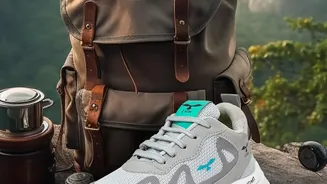
Your choice of shoes can make or break your trip. The monsoon turns trails into a mix of mud, slippery rocks, and small streams. You need footwear with an excellent grip to prevent falls. High-ankle waterproof trekking shoes are a popular choice, offering both support and protection. However, once water gets in, they can be slow to dry. An alternative is to use trail-running shoes or sandals designed for wet conditions that drain quickly. Whatever you choose, avoid new shoes that aren't broken in. Also, pack at least two or three pairs of quick-drying synthetic socks.
The Leech-Proofing Toolkit
Trekking in the Western Ghats during monsoon means you will encounter leeches. While they are mostly harmless, the experience can be unsettling. Preparation is key to a worry-free trek. Wear long trekking pants and tuck them into your socks. Specialised leech-proof socks, which are long and made of thick fabric, are a worthwhile investment. Some trekkers apply deterrents like Dettol, salt water, or sanitisers on their shoes and socks before starting. Your first-aid kit should include antiseptic wipes, cotton, and bandages, as leech bites can bleed for a while due to the anticoagulant they inject.
Clothing: Think Quick-Dry, Not Cotton
Cotton is your enemy in the monsoon. It absorbs moisture, becomes heavy, and takes a very long time to dry in high humidity, leaving you feeling cold and damp. Instead, pack lightweight synthetic clothes made from materials like polyester or nylon. These fabrics wick moisture away from your body and dry incredibly fast. Pack at least one complete set of dry clothes in a sealed waterproof bag that you only open at your campsite or hotel. A quick-dry towel is also far more practical than a standard cotton one.
Power and Small Must-Haves
In remote areas, electricity can be unreliable, especially during heavy rains. A fully charged power bank is non-negotiable for keeping your phone and other devices alive. A headlamp or a small torch is essential, as it can get dark quickly under dense forest cover or on cloudy days. Finally, don't forget a potent insect repellent for mosquitoes, which are abundant during the monsoon. Pack a few high-energy snacks like nuts and protein bars for a quick energy boost on the trail.