





A Tradition Steeped in Purple
At its heart, Kanji is a simple, seasonal beverage, traditionally prepared in Northern Indian states like Punjab, Uttar Pradesh, and Rajasthan during the winter and spring months. The star ingredient is the 'kala gajar' or black carrot, which gives the drink
its signature ruby-purple hue. The process is a classic example of lacto-fermentation: carrots are cut into batons and submerged in water with salt and coarsely ground mustard seeds. This mixture is then left in the sun for several days, where natural yeasts and bacteria work their magic, transforming the sweet carrot juice into a tangy, slightly pungent, and effervescent drink. For generations, it has been a staple during the festival of Holi, heralding the change of seasons.
The Original Wellness Drink
Long before 'probiotics' became a buzzword, Kanji was delivering gut-friendly benefits. The fermentation process creates a wealth of beneficial bacteria, including various strains of Lactobacillus, which are excellent for digestive health. This traditional 'tonic' is known to aid digestion, reduce bloating, and boost immunity. Black carrots themselves are a nutritional powerhouse, packed with antioxidants, particularly anthocyanins, which are responsible for their dark colour and have anti-inflammatory properties. They are also a rich source of vitamins A, C, and K, as well as essential minerals like potassium and iron, making Kanji a low-calorie, nutrient-dense beverage.
From Household Staple to Health Trend
So why is this age-old drink suddenly back in the spotlight? Kanji’s resurgence is part of a broader cultural shift towards wellness and a renewed appreciation for traditional Indian wisdom. As consumers become more discerning about processed beverages, they are seeking out natural, healthier alternatives. The global fascination with fermented foods like kombucha and kefir has opened the door for local Indian counterparts like Kanji to shine. Health-conscious urbanites are embracing it as India’s own superdrink, celebrating its probiotic benefits and authentic roots. Food influencers and home chefs on social media have also played a significant role in reintroducing this forgotten gem to a new generation.
A Modern Twist on a Classic
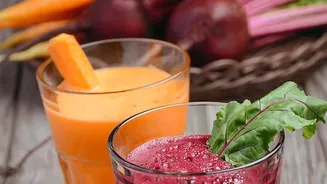
Today’s Kanji isn't just confined to the clay pots of our grandmothers. It's being reimagined for the modern palate. Health cafes and juice bars are adding it to their menus, sometimes offering variations with beetroot for colour or ginger for an extra kick. The appeal is clear: it’s a natural, local, and functional beverage that tells a story. Recognizing this trend, some companies and research institutions are even developing shelf-stable Kanji powders and ready-to-use mixes, making it easier than ever to enjoy the drink year-round, beyond the short black carrot season. This commercialization ensures consistency in flavour and microbiological safety, bridging the gap between traditional preparation and modern convenience.
How to Get Your Kanji Fix
Curious to try it? You can often find bottled Kanji at local farmers' markets or health food stores that champion local products. Many contemporary Indian cafes now feature it on their beverage lists. However, the real beauty of Kanji lies in its simplicity. Making it at home is remarkably easy and requires just a few basic ingredients and a clean glass jar. The process of watching the water slowly take on its beautiful colour and develop its tangy flavour over a few days of sun-drenched fermentation is a rewarding experience in itself. The fermented carrot sticks are also a delicious, crunchy snack, often enjoyed as a pickle. Whether store-bought or homemade, it’s an acquired taste—a delightful mix of sour, salty, and pungent notes that is deeply refreshing.