





Prepare Your Vehicle Thoroughly
Before you even think about packing your bags, your car deserves a complete check-up. Driving in the mountains puts extra stress on your vehicle. Start with the essentials: brakes. Ensure your brake pads are not worn out and the brake fluid is at the correct
level, as you'll be relying on them heavily on steep descents. Tyres are your only contact with the road, so their condition is non-negotiable. Check the tyre pressure, including the spare, and make sure there is adequate tread depth for good grip on potentially slippery surfaces. Also, have your engine oil and coolant levels checked and topped up if necessary. A healthy engine and cooling system are vital for handling steep inclines without overheating. Finally, test all your lights—headlights, taillights, brake lights, and indicators—as they are crucial for visibility, especially in fog or rain.
Mastering Mountain Driving Techniques
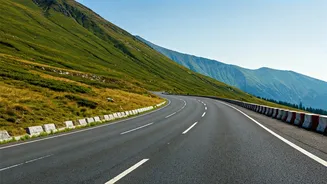
Driving in the hills is a skill that prioritises caution over speed. One of the most important rules is to use engine braking when going downhill. Instead of riding the brake pedal, which can cause it to overheat and fail, shift to a lower gear. This uses the engine's resistance to control your speed. On hairpin bends, slow down significantly, stay in your lane, and honk to alert oncoming traffic. Never overtake on a blind curve. Patience is a virtue; wait for a straight, clear stretch of road if you need to pass another vehicle. A key piece of road etiquette in the mountains is to give way to traffic going uphill. It is much harder for a vehicle to restart a climb than it is for a descending vehicle to pause. Always maintain a safe distance from the vehicle in front of you, as stopping distances can be longer on slopes.
Pack a Smart Emergency Kit
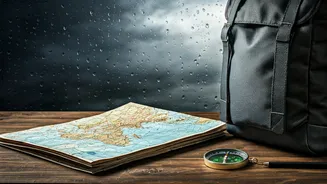
While no one plans for an emergency, everyone should prepare for one. Your standard car toolkit should be supplemented with items specific to a hill journey. A well-stocked first-aid kit is essential, including basics like bandages, antiseptic wipes, and any personal medications for issues like motion sickness. Given that mobile networks can be unreliable in remote areas, packing a powerful power bank and a car charger is a wise move. It's also recommended to download offline maps of your route. Pack an emergency food and water supply with non-perishable items like energy bars, nuts, and extra water bottles. Other critical items include a strong flashlight with extra batteries, a tow strap, and jumper cables. For trips during monsoon or winter, add a shovel and traction aids like kitty litter or small mats to help if you get stuck.
Check Weather and Route Conditions
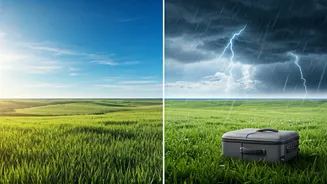
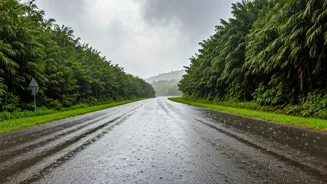
The weather in the mountains can change in an instant. Before you leave and each morning of your trip, check the weather forecast for your entire route. This is especially critical during the monsoon season, when the risk of landslides and flash floods is higher. Be aware of any travel advisories or warnings issued by local authorities. Many Himalayan regions have specific travel windows, and roads can be closed unexpectedly. It is always better to have a flexible itinerary and a backup plan in case weather forces you to delay or reroute. Avoid driving through waterlogged areas if possible; if you must, drive slowly and steadily to prevent water from entering the engine. Driving at night should be avoided if you are not familiar with the roads, as visibility is poor and it's harder to judge turns and road conditions.
The Right Mindset: Be Patient and Alert
Ultimately, safe hill driving is as much about your attitude as it is about your skill. The stunning scenery can be distracting, so make a conscious effort to stay focused on the road. Driving in the mountains can be mentally and physically tiring, so plan for regular breaks to rest and stretch. Don't be pressured by other drivers who may be honking or trying to rush you. If you feel stressed or are causing a traffic build-up, find a safe spot to pull over and let faster vehicles pass. Remember that the journey itself is part of the vacation. Rushing not only increases risk but also diminishes the experience. Embrace a slower pace, stay alert to road signs and changing conditions, and prioritise arriving safely over arriving quickly.