






The Foundation: Building Trust, One Packet at a Time
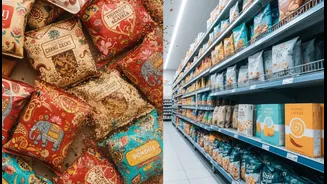
For decades, Indian FMCG companies have been meticulously building a global presence. Brands that started as small, regional sweet and namkeen shops have transformed into multinational giants. Their strategy initially targeted the Indian diaspora, a community
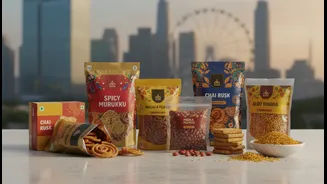
eager for authentic tastes of home. Success in this niche has allowed them to cross over to mainstream shelves, introducing global consumers to the complex, spicy, and savoury world of Indian snacking. This isn't just about exporting; it's about deep investment. For instance, Bikaji Foods International recently injected nearly $3 million into its US subsidiary to establish local manufacturing. This move, designed to strengthen its supply chain, signals a long-term commitment. By consistently delivering quality in a packet, these brands have earned something invaluable: consumer trust and loyalty, not just in India, but thousands of miles away.
The Blueprint: From Packaged to Plated
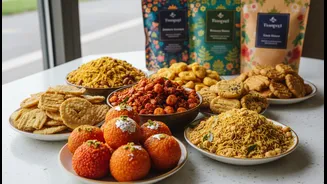
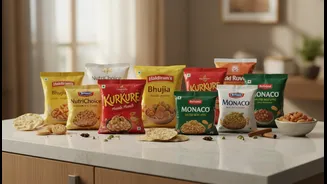
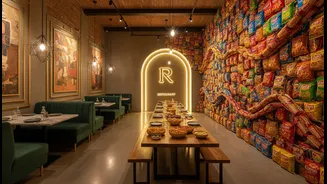
The core of the opportunity lies in a simple question: if a customer trusts you enough to buy your bhujia every week, will they trust you to cook their dinner? The answer is a resounding yes. This transition from a Consumer Packaged Good (CPG) to a restaurant experience is a well-trodden path in the West, where brands leverage retail success to fuel dining growth. The packaged product acts as a constant advertisement in a customer's pantry, building brand recognition far more effectively than a billboard. For Indian brands, this model has a clear pioneer: Haldiram's. Founded as a sweet shop, it is now both India's largest snack company and a multinational chain of quick-service restaurants. Many of its restaurants feature an integrated retail section, creating a powerful feedback loop where diners can buy the packaged version of the food they just enjoyed, and snack buyers are tempted to try the full restaurant experience.
The Business Case: Trading Risk for Higher Rewards
Opening a restaurant is far more complex and capital-intensive than selling packaged goods. It involves managing real estate, perishable inventory, and a large service staff. So why take the risk? The answer lies in margins and brand experience. While CPGs offer scale, restaurants offer significantly higher profit margins per transaction. They also transform a passive brand relationship into an active, immersive experience. The CPG product essentially becomes a customer acquisition channel for the high-value restaurant business. A brand can spend years building awareness in a new country through retail. Once that loyalty is established, opening a restaurant isn't a cold start; it comes with a built-in audience of loyal customers ready to make a reservation. This strategy allows a brand to capture a larger share of the customer's food wallet, moving from a weekly snack purchase to a weekend family meal.
The Untapped Potential: Who Is Next?
While Haldiram's provides the proof of concept, the field is wide open for others. Bikaji, with its aggressive expansion and investment in local infrastructure in North America, is a prime candidate to follow a similar path. The company's focus on securing its supply chain and distribution network lays the perfect groundwork for a future move into physical restaurants. Beyond the legacy giants, a new wave of direct-to-consumer (D2C) Indian snack brands is also making its mark globally. These nimble, digitally-savvy companies are building cult followings for their specialized products, from Kerala's banana chips to modern, healthier snack options. By focusing on authenticity and building strong community connections online, they are creating the same brand loyalty that their larger predecessors did, just through different channels. For them, a pop-up restaurant or a cloud kitchen in a key international market could be a logical next step to deepen customer engagement and test the waters for a full-scale dining launch.