




Understanding the Weather Situation
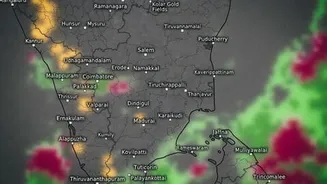
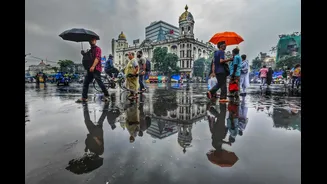
The India Meteorological Department (IMD) has forecast the onset of the northeast monsoon around October 15, bringing heavy to very heavy rainfall to several southern states. Key regions expected to be affected include Tamil Nadu, Kerala, Puducherry,
and parts of Karnataka and Andhra Pradesh over the next several days. Travellers should anticipate widespread rain, thunderstorms, and strong winds, which can impact travel and daily activities. It's crucial to stay updated with daily forecasts from official sources like the IMD as conditions can change rapidly.
Your Essential Monsoon Packing List
Packing correctly is your first line of defence against the rain. Prioritise synthetic, quick-dry fabrics like polyester and nylon over cotton, which takes a long time to dry. A lightweight, waterproof rain jacket or poncho is non-negotiable. For footwear, choose waterproof sandals or rubber boots with good grip to navigate wet and slippery surfaces; avoid leather and suede. It's also wise to carry a microfibre towel which dries much faster than regular ones. An umbrella is a must for navigating cities during moderate showers. Finally, pack a few waterproof dry bags or even simple plastic bags to protect your electronics, documents, and wallet from moisture.
Planning Your Itinerary and Transport
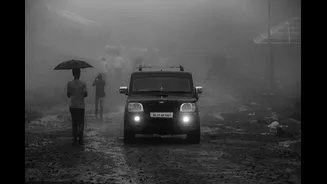
Flexibility is key when travelling during the monsoon. Heavy rains can lead to flight delays, train rescheduling, and treacherous road conditions. If you plan on driving, be aware of the increased risks. Roads become slippery, especially during the first rains, and visibility can drop to near zero. It is advisable to reduce speed significantly, maintain a greater distance from the vehicle ahead, and use your headlights (not hazard lights) even during the day. Check your vehicle’s tyres, wipers, and brakes before you start. Avoid driving through waterlogged areas, which can hide deep potholes and cause your vehicle to stall. If visibility becomes too poor, it's safest to pull over and wait for the rain to subside.
Health and Safety Precautions
The monsoon season brings a higher risk of water-borne and mosquito-borne diseases. Be cautious about what you eat and drink. Avoid street food, especially pre-cut fruits and raw salads, which can be easily contaminated. Drink only boiled, filtered, or sealed bottled water to protect against diseases like typhoid and cholera. Mosquitoes that carry dengue and malaria breed in stagnant water, so use an effective insect repellent, especially during early mornings and evenings, and consider wearing full-sleeved clothing. Pack a basic first-aid kit with antiseptic solution, bandages, paracetamol for fever, and oral rehydration salts. Always wash your hands thoroughly and maintain personal hygiene.
Protecting Your Gear
Moisture is the enemy of electronics. Keep your phone, camera, and other gadgets in waterproof pouches or a dedicated dry sack. Silica gel packets, often found in new shoe boxes or bags, can be placed in your camera bag to absorb excess moisture. A power bank is a wise investment, as heavy rains can sometimes lead to power cuts, especially in more remote areas. Ensure your travel documents, including your passport, tickets, and hotel bookings, are also protected in a waterproof folder. Having digital copies saved on your phone and in the cloud is also a smart backup.