





The Search for Unique Experiences
The modern Indian traveller is no longer content with standard package tours. There's a growing appetite for unique, immersive, and personalised journeys. People are actively seeking out culturally rich activities, from attending local festivals to exploring
offbeat spiritual circuits. This shift away from traditional sightseeing towards experiential travel means that pre-planned itineraries are being replaced by custom-built adventures. This requires significant research to uncover hidden gems, understand local customs, and create a trip that reflects personal interests, whether it's a culinary tour, a wellness retreat, or an adventure-filled expedition. Reports show that travellers are thinking harder and planning more purposefully, with booking lead times increasing as they curate their perfect trip.
The Power of Social Media
Social media platforms have transformed into powerful search engines for travel inspiration. Instagram and YouTube are leading the charge, with a majority of young Indian travellers citing them as a major influence on their destination choices. Viral reels of Cappadocia's hot air balloons or Bali's iconic swings can spark the initial desire to travel. However, savvy travellers know that the glossy perfection of an influencer's post may not reflect reality. This awareness drives a secondary wave of research. Travellers now dig deeper, searching for user-generated reviews, blog posts, and unfiltered photos to get a more authentic picture of a destination before committing their time and money. While influencer content is persuasive, travellers use it as a starting point, not a final word.
Smarter Budgeting and Value-Seeking
While aspirations and spending on travel are on the rise, Indian tourists are also becoming more discerning about value. With increased disposable income, travel is seen less as a luxury and more as a vital part of a balanced lifestyle. This mindset encourages meticulous research to ensure every rupee is well-spent. The internet has democratised access to information, allowing travellers to compare flight prices, find hotel deals, and discover affordable local experiences with just a few clicks. Online travel portals and the fierce competition between them often result in attractive discounts. This empowerment allows people to stretch their budgets further, making travel more frequent and accessible.
The Rise of a New Traveller
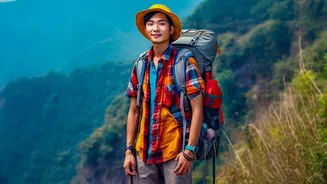
The profile of the Indian traveller is diversifying. Alongside the traditional family vacation, there is a significant increase in solo travel, trips with friends, and journeys by couples. These new travel dynamics come with different priorities. A solo traveller might prioritise safety and unique experiences, while a group of friends might look for vibrant nightlife and adventure activities. This segmentation means a one-size-fits-all approach no longer works. Each trip requires its own specific research to cater to the group's unique needs and interests, moving away from the convenience of a single family-approved plan.
Technology as an Enabler
The digital revolution in India has put powerful planning tools in everyone's hands. The rise of AI-powered travel assistants and advanced search platforms helps streamline the research process. These technologies offer personalised itineraries, predictive recommendations based on user preferences, and even allow travellers to explore destinations virtually before booking. While these tools make research easier and more efficient, they also encourage a deeper level of planning. Users are prompted to think about their preferences in more detail to get the most out of these intelligent systems, further embedding research into the core of their travel preparation.