
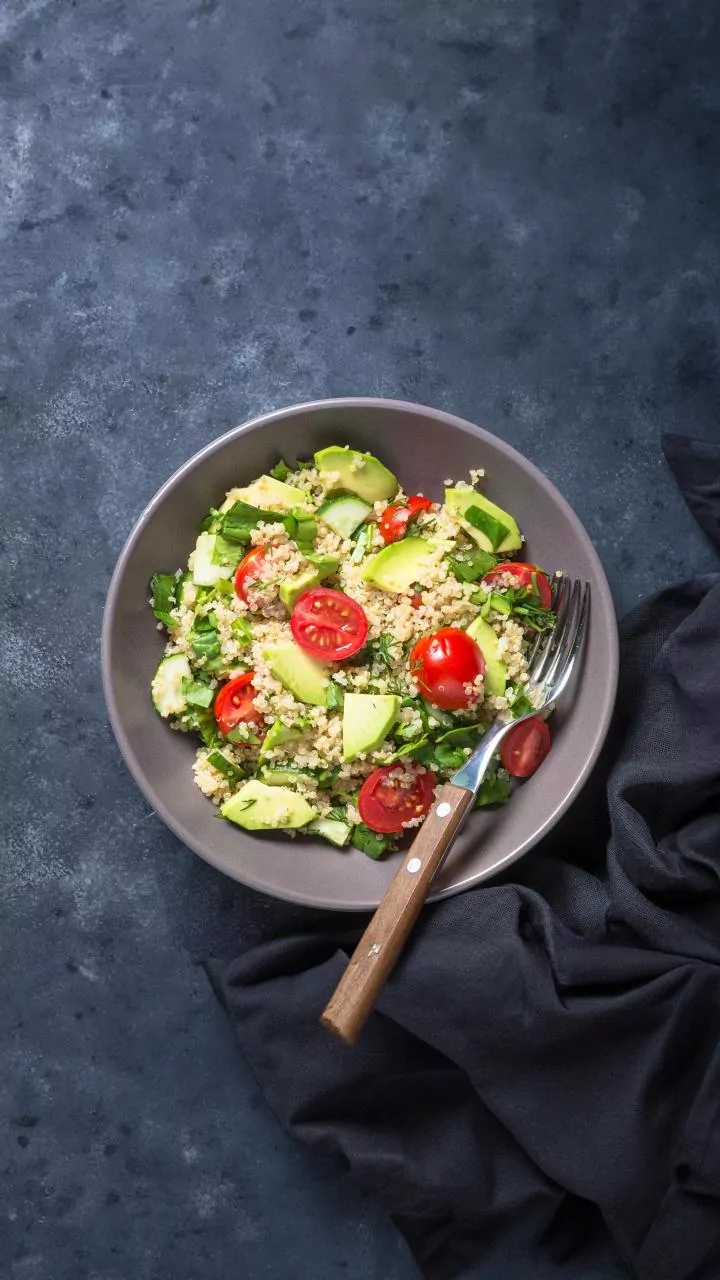



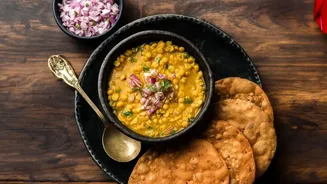
The modern Indian kitchen is a wonderful mix of tradition and new-age 'superfoods'. Two ingredients that often compete for a spot on the shelf are the humble lentil, or dal, and the trendy quinoa. But which one is the smarter choice for you?
The Price Point Battle: Wallet-Friendly vs. Premium
When it comes
to cost, there is a clear winner. Lentils, a staple in Indian households for generations, are significantly more affordable. Whether it's toor, masoor, or moong dal, you can typically buy a kilogram of lentils for a fraction of the price of quinoa. For instance, common dals can range from ₹100 to ₹150 per kg, while quinoa often starts at ₹300 per kg and can go much higher depending on the brand and whether it's organic. This price difference is largely because lentils are widely cultivated in India, while quinoa, originally from South America, is still considered a premium product, with costs influenced by import duties, branding, and a more niche market. For a family on a budget, lentils offer unbeatable value for daily meals.
Nutritional Showdown: A Tale of Two Proteins
Both quinoa and lentils are nutritional powerhouses, but they have different strengths. Quinoa's claim to fame is that it's a 'complete protein', meaning it contains all nine essential amino acids our bodies need. A cooked cup provides about 8 grams of protein. Lentils, on the other hand, offer more protein overall, with a cooked cup packing a powerful 16-18 grams. However, lentils are an 'incomplete protein', lacking a sufficient amount of certain amino acids. But this is easily solved in a typical Indian meal. When you pair lentils with rice or roti—as is done traditionally with dal chawal or dal roti—the combination of grains and legumes creates a complete protein profile. Lentils also generally have more fibre, iron, and folate than quinoa.
From Shelf to Plate: Cooking and Preparation
In terms of practicality, both have their pros and cons. Quinoa is often praised for its quick cooking time, typically ready in about 15-20 minutes on the stovetop. It just needs a good rinse before cooking to remove saponins, a natural coating that can taste bitter. Lentils, depending on the type, can take a bit longer. While masoor dal (red lentils) cooks quickly, others like chana dal or rajma require soaking beforehand to soften them and reduce cooking time. However, the use of a pressure cooker, a common appliance in most Indian kitchens, dramatically speeds up the process for all types of lentils, often making them just as fast to prepare as quinoa.
Versatility in the Indian Kitchen
Lentils are the undisputed champion of traditional Indian cuisine. They are the heart of countless dishes, from the everyday dal tadka and sambar to rich dal makhani and comforting khichdi. Their ability to break down and form a creamy base makes them incredibly versatile. Quinoa, while not a traditional ingredient, is highly adaptable. Its mild, nutty flavour allows it to easily absorb Indian spices, making it a great substitute for rice or millets. It works wonderfully in modern interpretations of classic dishes like quinoa upma, pulao, and even salads with an Indian twist. While lentils are deeply integrated into the culinary fabric, quinoa offers a novel texture and a way to add variety and a different nutritional profile to familiar recipes.