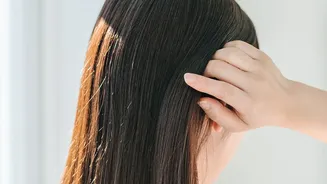







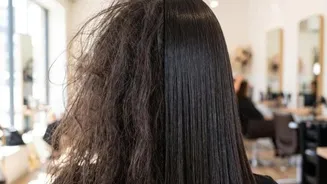
As temperatures drop, do you notice your hair becoming dull, brittle, and full of static? You're not alone. The combination of cold outdoor air and dry indoor heat creates a perfect storm for dehydrated hair. But the battle isn't lost.
The Science of Winter Hair Woes
The primary culprit
behind dry winter hair is a simple lack of moisture in the environment. Cold air simply cannot hold as much water vapor as warm air. This low humidity means the dry atmosphere starts to pull moisture from wherever it can find it, including your hair. The hair shaft's outer layer, the cuticle, is designed to lie flat and lock in moisture. But when the air is dry, these cuticles can lift, allowing precious hydration to escape. This process leaves strands feeling rough, looking dull, and becoming much more susceptible to frizz, static, and breakage.
The Double-Edged Sword of Indoor Heating
Seeking refuge from the cold indoors unfortunately offers little relief for your hair. Central heating systems, radiators, and space heaters all work by warming the air, but they also drastically reduce its humidity. This creates an artificially arid environment inside your home, compounding the effects of the dry air outside. Your hair is then caught in a constant cycle of moisture being wicked away, whether you are indoors or out. This persistent dryness weakens the hair, making it brittle and prone to split ends. Even your scalp can suffer, leading to itchiness and flakiness.
Rethink Your Washing Routine
While a steamy shower feels like the perfect antidote to a chilly day, hot water can strip your hair and scalp of their natural, protective oils. These oils are essential for retaining moisture. When you combine hot water with frequent shampooing, you accelerate this stripping process. To combat this, try washing your hair less often—perhaps every other day instead of daily. When you do wash, turn the temperature down to lukewarm. This gentler approach helps your hair maintain its natural moisture balance, which is crucial during the dry winter months.
Deep Condition and Moisturise
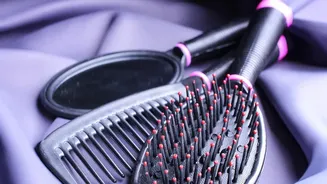
Winter is the time to upgrade your conditioning game. Your regular conditioner might not be enough to fight off the season's drying effects. Incorporate a deep conditioning mask or treatment into your routine at least once a week. These products are formulated to deliver intense hydration and replenish the moisture that cold air and indoor heating strip away. Look for products with nourishing ingredients. When you apply conditioner, don't just rinse it out immediately. Let it sit for a few minutes, or even comb it through with a wide-tooth comb to ensure even distribution before rinsing.
Protect Your Hair from the Elements
Just as you wear a coat to protect your body from the cold, your hair needs protection too. Wearing a hat, scarf, or beanie when you venture outside is a great first step. However, be mindful of the fabric. Coarse materials like wool and some cottons can cause friction, leading to static, tangles, and breakage. To prevent this, opt for a hat lined with silk or satin, as these smooth materials reduce friction and won't absorb moisture from your hair. At night, swapping your cotton pillowcase for a silk or satin one can also significantly reduce friction and help your hair retain its moisture overnight.
Add Moisture Back Into Your Air
Since dry air is the root cause of the problem, one of the most effective solutions is to reintroduce moisture into your environment. Using a humidifier in your home, especially in the bedroom while you sleep, can make a world of difference for both your hair and skin. A humidifier works by releasing a fine mist of water into the air, raising the overall humidity level. This helps to counteract the drying effects of your heating system, creating a healthier environment that allows your hair to hold onto its natural hydration.