







As winter descends on North India, we seal our homes against the biting cold and the thick outdoor smog. But what if this attempt to create a safe haven is unintentionally making the air inside our homes even more polluted? It’s a paradox.
The Myth of the Safe Indoors
We often assume
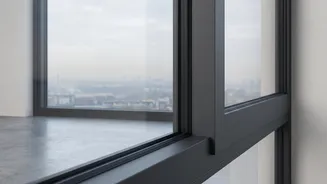
that shutting our doors and windows provides a shield against the hazardous air quality that plagues North Indian cities every winter. While it reduces the infiltration of some outdoor pollutants, it creates another problem. The air inside can become two to five times more polluted than the air outside. This happens because modern, well-sealed homes, designed for energy efficiency, limit natural ventilation. Without a way for air to circulate, pollutants generated within the home get trapped and accumulate, turning our living spaces into containment zones for harmful particles.
The Pollutant Invasion: From Outside and Within
Indoor air pollution is a two-front battle. First, outdoor pollutants inevitably seep in. Despite sealed windows, fine particulate matter like PM2.5 from traffic, industry, and stubble burning finds its way inside. But the more insidious threat often comes from within the home itself. Everyday activities are major contributors. Cooking, especially frying and tadka, releases a significant amount of fine particles and fumes. Burning incense or diyas, using cleaning products with volatile organic compounds (VOCs), and even just breathing in a poorly ventilated room can dramatically increase the concentration of pollutants like carbon dioxide, PM2.5, and formaldehyde.
The 'Sealed Room' Ventilation Trap
In winter, a phenomenon called temperature inversion traps cold air and pollutants near the ground. When we seal our homes to stay warm, we replicate this effect on a smaller scale. Lack of ventilation is the core of the problem. Stale air isn't just unpleasant; it’s unhealthy. Pollutants from cooking, cleaning, and those that have seeped in from outside have nowhere to go. Their concentration builds up steadily throughout the day. This is why a room can feel stuffy and lead to headaches or fatigue, signs that are sometimes dismissed but can indicate poor air quality. The very act of protecting ourselves from the outdoor cold creates an indoor pollution trap.
Invisible Dangers and Their Health Costs
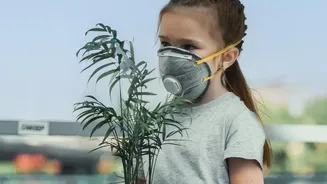
The primary culprits in this indoor smog are microscopic and invisible. PM2.5 particles, thirty times smaller than a human hair, are particularly dangerous because they can bypass the body's defenses, enter deep into the lungs, and even pass into the bloodstream. This can trigger a host of health issues, from immediate symptoms like coughing and throat irritation to long-term risks such as asthma, cardiovascular diseases, and reduced lung function. Volatile Organic Compounds (VOCs) released from paints, furniture, and cleaning agents can cause headaches, nausea, and irritation of the eyes, nose, and throat. Women and children, who may spend more time indoors, are especially vulnerable to these accumulated toxins.
How to Breathe Easier This Winter
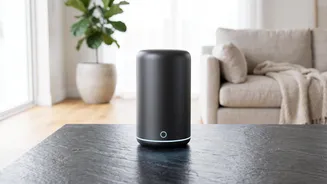
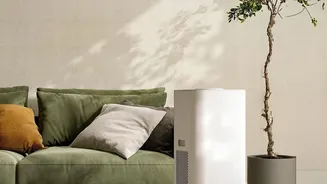
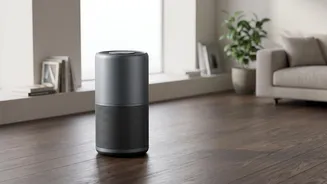
Combating indoor air pollution doesn’t mean shivering in a permanently open windowed house. It requires a balanced strategy. The key is controlled ventilation. Try to air out your home for 10–15 minutes a day during periods when outdoor pollution is relatively lower, often in the afternoon. Use exhaust fans in kitchens and bathrooms to vent pollutants outside immediately. Investing in a high–quality air purifier with a HEPA filter can be highly effective at capturing PM2.5 and other allergens, especially in bedrooms and main living areas. Minimise sources of indoor pollution by avoiding incense, using low–VOC cleaning products, and ensuring cooking areas are well–ventilated. Regular cleaning with a damp cloth and a vacuum with a HEPA filter can also reduce dust and other settled particles.