




The Airport and the Age of Misinformation
We have all witnessed the scene: a flight status board flashing 'Delayed' or 'Cancelled', and a wave of confusion washes over the departure gate. Almost immediately, smartphones come out and speculation begins. One person hears from a cousin's friend
that all flights are grounded for the day. A WhatsApp group circulates a blurry photo of a supposed internal memo. On social media, unverified accounts post conflicting gate numbers and rebooking procedures. This digital noise creates unnecessary panic and can lead passengers to make poor decisions, like leaving the airport based on a false rumour or queuing at the wrong counter. In these moments, the most critical step a traveller can take is to tune out the noise and seek verified information from the source.
Your First Port of Call: The Airline
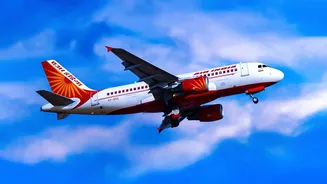
The single most reliable source of information about your flight is the airline operating it. They are responsible for the aircraft, crew, and passengers, and their communication is tailored to the specific situation. Airlines like Air India and others are increasingly investing in systems to proactively communicate with passengers during irregular operations. Look for updates through official SMS and email alerts sent to the contact details you provided during booking. The airline’s official mobile app is often the fastest way to receive push notifications about delays, gate changes, or cancellations. Their official website will have a flight status tracker, and their ground staff at the airport are empowered to provide the most current information available. Always start here.
Beyond the Airline: Airports and the DGCA
While the airline manages the flight, other official bodies play a key role. Airport operators manage the physical infrastructure and will disseminate information about terminal-wide issues. Their websites and social media accounts are useful for general airport status updates. Above all these is the Directorate General of Civil Aviation (DGCA), India's aviation regulator. The DGCA sets the rules that airlines must follow concerning passenger rights. The government’s AirSewa portal and app are crucial tools, allowing passengers to access information and file grievances if they feel their rights have not been respected. In widespread disruptions, the Ministry of Civil Aviation may also set up control rooms and helplines to assist stranded passengers.
The Hidden Dangers of Unofficial 'Help'
Relying on unofficial sources is not just about getting bad information; it can be a significant security risk. A common sight during travel is people posting photos of their boarding passes on social media. This is incredibly risky. The barcode or QR code on your boarding pass is a key to your entire booking. A tech-savvy person can scan that code from the photo and get your full name, itinerary, and Passenger Name Record (PNR). With this information, a malicious actor could potentially change your seat, steal your frequent flyer miles, or even cancel your return flight as a prank or for more sinister purposes. Sticking to official communication isn't just about accuracy, it's about protecting your personal data and your entire travel plan.
Know Your Rights: What Airlines Owe You
Official updates are also vital because they are linked to your passenger rights under the DGCA's Passenger Charter. If you are informed of a cancellation less than two weeks in advance, you are generally entitled to a choice of a full refund or an alternate flight. If the cancellation notice is less than 24 hours, you may also be eligible for compensation up to ₹10,000, depending on the flight's duration. For significant delays, airlines must provide meals and refreshments. For very long or overnight delays, they may be required to provide hotel accommodation and transport. However, these compensation rules often don't apply in 'force majeure' cases, such as extreme weather or air traffic control restrictions, though the airline's duty to provide care, rebooking, or a refund usually remains.