





The High Cost of Power
For years, the dream of an electric vehicle has been tied to an expensive reality: the battery. Accounting for roughly 40% of an EV's total cost, the battery pack has been the single biggest barrier to mass adoption. Historically, most electric two-wheelers
have relied on lithium-ion batteries, specifically Nickel Manganese Cobalt (NMC) chemistry. These batteries are popular because they pack a lot of energy into a small, lightweight package, giving scooters better range and performance. However, the key ingredients—lithium, and especially cobalt and nickel—are expensive and have volatile supply chains, often dependent on imports. This reliance has kept the prices of electric scooters stubbornly high, placing them out of reach for a large segment of the Indian market that is accustomed to the lower upfront cost of petrol two-wheelers.
A Shift in Chemistry
The game is changing thanks to the commercialization of alternative battery chemistries. The two most significant players in this shift are Lithium Iron Phosphate (LFP) and the even newer Sodium-ion (Na-ion) batteries. LFP batteries replace the expensive cobalt and nickel with more abundant and cheaper iron and phosphate. This significantly lowers material costs. Even more disruptive are sodium-ion batteries, which replace lithium entirely with sodium—an element about 1,000 times more abundant and accessible, found everywhere from the earth's crust to the oceans. This fundamental switch from rare, costly materials to common, inexpensive ones is the primary driver behind the potential for dramatically cheaper electric scooters.
The Indian Market Responds
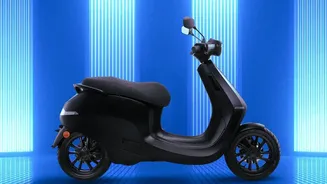
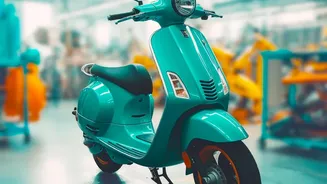
Indian manufacturers are moving quickly to leverage this new technology. Ola Electric, a major player in the country's EV space, has been at the forefront, recently launching its S1Z scooter range powered by its own locally developed and manufactured LFP battery cells. By bringing cell production in-house, the company states it has significantly cut battery costs, allowing it to offer scooters at aggressive, mass-market price points starting from ₹79,999. This vertical integration strategy, where a company controls the entire process from cell to vehicle, is seen as crucial for making EVs affordable. These moves are directly aimed at converting India's massive base of petrol scooter users by finally competing on the critical factor of price.
Understanding the Trade-Offs
Cheaper chemistry does come with some trade-offs, though they are becoming less significant for the average urban rider. The main compromise is energy density. Both LFP and sodium-ion batteries are typically heavier and bulkier than NMC batteries for the same amount of energy stored. This can translate to a slightly lower range. For sodium-ion batteries, this could mean 20-30% less range compared to a lithium-ion pack of the same weight. However, these new chemistries offer compelling advantages. They are generally safer, with a much lower risk of overheating. Sodium-ion batteries, in particular, perform exceptionally well in a wider range of temperatures and can often be charged faster than their lithium counterparts. For daily city commuting, these benefits can easily outweigh a small reduction in maximum range.
The Road to Mass Adoption
The introduction of LFP and sodium-ion batteries is more than just a technical update; it's a strategic move to unlock the entry-level market. While high-performance, long-range electric scooters will likely continue using premium NMC batteries for the foreseeable future, these affordable chemistries are perfect for the everyday Indian commuter. Government support, through initiatives like the Production-Linked Incentive (PLI) scheme, is further encouraging local battery manufacturing, which is projected to cut battery pack costs by 30-35% by 2027. As production scales up, experts predict the cost of sodium-ion cells could fall as low as $40 per kWh, making electric two-wheelers not just an environmental choice, but a financially pragmatic one for everyone.