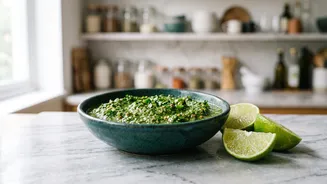





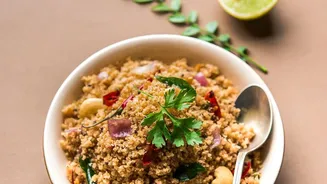


It's a flavour combination that sings of freshness. From a zesty salsa to a fragrant curry, the pairing of lime and coriander is a culinary staple across the globe. But what makes this duo so undeniably perfect? The answer lies in a blend of science.
A Match Made in Chemistry
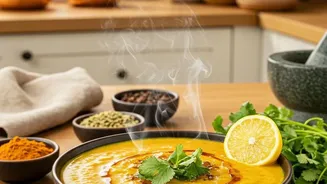
The magic of lime and coriander begins at a molecular level. Much of what we perceive as flavour is actually aroma, processed by our olfactory receptors. Coriander leaves are packed with volatile organic compounds called aldehydes. For most people, these compounds provide a fresh, grassy, and peppery aroma with citrusy undertones. This is where lime comes in. Lime juice is a vibrant delivery system for citric acid. This acid works to cut through richness and fats, effectively cleansing the palate with each bite. When you combine the two, a powerful synergy occurs. The citric acid in lime balances other tastes like salt and fat, while the aromatic aldehydes in coriander provide a bright, fresh lift. Interestingly, for a segment of the population with a specific genetic variation, these same aldehydes are perceived as soapy. However, even for those individuals, the strong acidic punch of lime can sometimes temper this effect, making the combination more palatable.
A Journey Through Global Kitchens
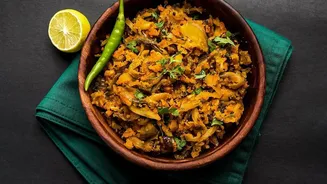
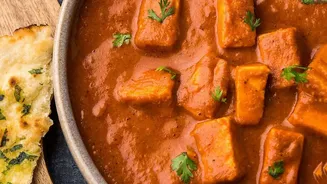
This pairing is not a recent invention; it's a culinary tradition that spans continents and centuries. Coriander itself is an ancient herb, native to the Mediterranean and the Middle East, with evidence of its use dating back thousands of years. The Spanish introduced the herb to the Americas, where it became deeply embedded in Mexican cuisine. Today, you can't imagine a classic pico de gallo, guacamole, or street taco without the signature sprinkle of cilantro and a squeeze of lime. In Southeast Asia, particularly in Thai and Vietnamese cooking, the duo is equally fundamental. It forms the backbone of countless soups, salads, and marinades, balancing the heat of chillies, the saltiness of fish sauce, and the sweetness of palm sugar. From Thai green curry to Indian chutneys and marinades, the combination consistently provides a refreshing counterpoint to rich and spicy flavours.
Beyond the Obvious Pairings
While tacos and curries are classic showcases, the versatility of lime and coriander extends far beyond them. This pairing can elevate simple dishes and inspire creative new ones. Consider using it as a base for a vibrant marinade for chicken, fish, or shrimp. The acidity of the lime juice helps to tenderise the protein while the coriander infuses it with a fresh, herbaceous flavour. Blended with oil, garlic, and perhaps some nuts, it transforms into a zesty pesto, a delightful alternative to the traditional basil version. This pesto can be tossed with noodles, spread on sandwiches, or served as a dip. The combination also shines in dressings and sauces. A creamy lime and coriander dressing, often made with avocado or yoghurt, can bring a simple salad or a bowl of roasted vegetables to life. Even beverages aren't off-limits; a hint of muddled coriander can add a surprising and refreshing twist to a classic lime-based cocktail.
Mastering the Balance at Home
Bringing this perfect pairing into your own kitchen is simple, but a few tips can help you get the most out of it. When cooking, it’s often best to add both fresh coriander and lime juice towards the end of the process. The volatile compounds in coriander that create its signature aroma are delicate and can dissipate with prolonged heat. Similarly, the fresh, bright notes of lime juice are most potent when not cooked for too long. For marinades, however, a longer infusion time is beneficial. When preparing your ingredients, remember that the stems of the coriander plant are full of flavour and can be finely chopped and used along with the leaves. The key is balance. Start with a small amount and taste as you go. The goal is a harmonious blend where the citrusy zing of the lime complements, rather than overpowers, the fresh, green notes of the coriander.