




The Core Challenge in High-Rises
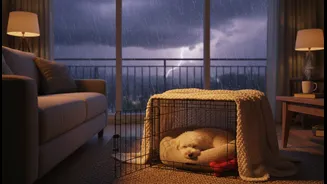
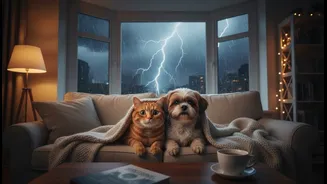
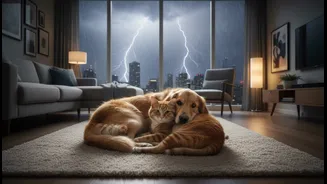
Living in an apartment during a fierce monsoon storm presents a unique set of challenges for our pets. Unlike houses with gardens, there's no easy option for a quick toilet break when winds howl and rain lashes against the windows. The sounds of thunder
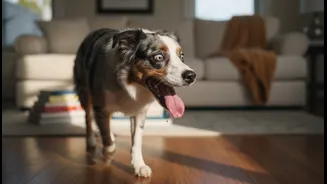
and wind can be amplified and distorted as they echo between buildings, creating a terrifying acoustic environment for animals with sensitive hearing. A sudden power cut plunges the home into darkness, which can heighten a pet's sense of vulnerability. Pacing, hiding, panting, and excessive whining are all common signs of storm anxiety. Understanding these specific apartment-related stressors is the first step in creating a toolkit that addresses the real, immediate needs of your furry companion during a stormy night.
Your Anxiety First-Aid Kit
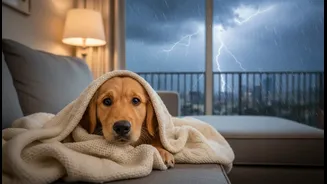
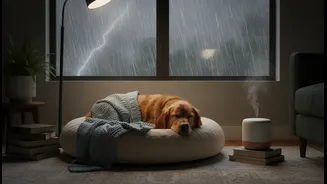
The first priority is to manage your pet’s immediate fear. This part of your toolkit focuses on calming their frayed nerves. Consider an anxiety wrap or a 'Thundershirt', which applies gentle, constant pressure that has a swaddling, soothing effect on many dogs and cats. Pheromone diffusers, available for both cats and dogs, release synthetic pheromones that mimic natural calming signals and can reduce stress levels in the room. For a simpler approach, a favourite blanket or even an item of your clothing carrying your scent can provide a sense of security. Also include a few high-value, long-lasting chew toys or food puzzles. Engaging in a focused activity like chewing or licking can be a powerful distraction from the chaos outside.
The Power Outage Pack
A power cut during a night-time thunderstorm is a common occurrence and can be particularly distressing for pets. Your toolkit must account for this. A crucial item is a battery-operated or rechargeable fan. High humidity during the monsoon makes it difficult for pets to cool down by panting, and a fan can provide vital air circulation to prevent overheating, especially for flat-faced or thick-coated breeds. Include a torchlight or a few battery-operated lamps to provide a soft glow, preventing the complete darkness that can increase panic. An LED collar tag can also be invaluable, helping you keep track of your pet in a dark apartment. Lastly, ensure you have a power bank to keep your phone charged, allowing you to access your vet's number or play calming music to mask the storm's sounds.
A Safe and Sanitary Corner
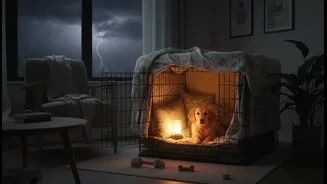
When the storm makes going outside impossible, indoor sanitation becomes critical. Forgetting this can lead to accidents and added stress for both you and your pet. Your kit should contain a supply of pee pads or, for cat owners, a spare bag of litter and a foldable litter box. Stocking up on these items means you won't be caught unprepared. This is also where you should set up your pet's designated 'safe space'—a quiet, interior part of your apartment like a bathroom or a large closet with no windows. Make this den comfortable with their bed, blankets, and a water bowl. The goal is to create a cozy retreat where they feel protected from the noise and flashing lights.
Essential Documents and Supplies
In a true emergency, you won't have time to search for important information. Assemble a waterproof pouch containing key documents. This should include a hard copy or digital photo of your pet's vaccination records, your vet’s contact details, and the number for a 24-hour emergency animal hospital. Also, include a recent photo of you with your pet, which is crucial for identification if you get separated. The kit must also have a supply of food and bottled water sufficient for at least three days. Don't forget a can opener if you use canned food, any necessary medications, and a basic pet first-aid kit with vet-approved antiseptic wipes and bandages for minor injuries.