

The Cycle of Over-Caring
Many plant owners, especially beginners, equate a wilting leaf with thirst. This reflex can lead to watering a plant whose soil is already moist, a mistake far more dangerous than waiting a day too long. Overwatering is widely considered one of the most
common causes of houseplant demise. This cycle of panic-watering keeps the soil saturated, preventing roots from getting the oxygen they need to function. The plant looks sick, so you water it more, unknowingly making the problem worse.
Why Sitting in Water Is a Death Sentence
Plant roots need to breathe. Just as we need air, roots require oxygen from small pockets within the soil. When soil is constantly waterlogged, these air pockets disappear, and the roots essentially drown. Unable to respire, the roots begin to die and decay. This condition, known as root rot, prevents the plant from absorbing water and nutrients. Paradoxically, a plant suffering from root rot will often wilt and look thirsty because its damaged root system can no longer hydrate the plant, even when sitting in wet soil.
Is It Thirsty or Drowning? Signs to Look For
Distinguishing between an overwatered and underwatered plant can be tricky. An overwatered plant often has soft, limp leaves that may be yellow or brown, especially the lower ones. The base of the stem might feel mushy, and you could notice a musty or sour smell from the soil. Fungus gnats are also attracted to consistently moist conditions. In contrast, an underwatered plant will typically have dry, crispy leaves and the soil will be visibly pulling away from the sides of the pot.
Emergency Room: How to Save Your Plant
If you suspect root rot, it's time for an intervention. First, stop watering immediately. Gently remove the plant from its pot and inspect the roots. Healthy roots are typically firm and white or light tan. Rotted roots will be brown or black, mushy, and may fall apart when touched. Using a clean, sharp tool, carefully trim away all the affected roots. Repot the plant in a clean pot with fresh, well-draining soil. Make sure the pot has drainage holes, as this is essential to prevent the problem from recurring.
Breaking the Habit: A Proactive Approach
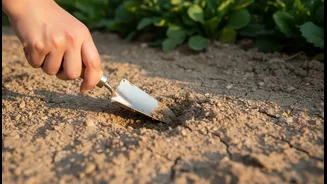
The best long-term solution is to break the panic-watering cycle. Before watering, always check the soil's moisture level. The simplest method is the finger test: stick your finger about an inch or two into the soil. If it feels dry, it's time to water; if it feels moist, wait. Avoid watering on a strict schedule, as a plant's needs change with the seasons, light, and humidity. When you do water, do so thoroughly until it runs out the drainage holes, then discard any excess water from the saucer. This encourages deep, healthy root growth instead of the shallow roots promoted by frequent, light watering.