






Finland is already famous for being the world's happiest country. Now, a new index for 2026 suggests its passport is a source of joy, too. But what exactly makes a travel document 'happy,' and how does it reflect life inside Finland?
Decoding the 'Happiest Passport'
First things first:
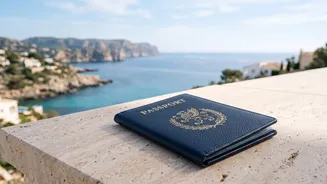
what is a 'happy passport'? The headline refers to the 'Happy Passports Index' from advisory firm Global Citizen Solutions, a unique ranking released in November 2026. Unlike traditional passport power lists that focus solely on travel freedom, this index combines mobility with quality of life. It measures four key areas equally: a country's score in the World Happiness Report, the level of personal freedom citizens enjoy at home, the prosperity, health, and safety of the nation, and finally, the international travel access its passport provides. So, a 'happy passport' belongs to a country that is a great place to live and also offers its citizens excellent global mobility.
Finland's Winning Combination
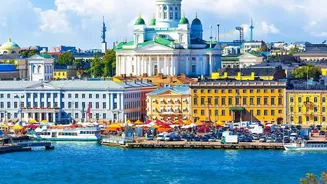
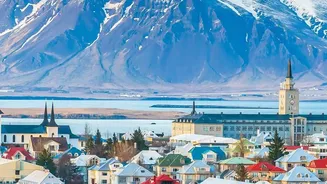
Finland clinched the top spot on the 2026 Happy Passports Index with a score of 93.2 out of 100, narrowly beating Iceland and Denmark. The victory comes from its exceptional performance across all metrics. For nine consecutive years, Finland has been named the world's happiest country in the official UN World Happiness Report, which measures how citizens evaluate their own lives. This provides a massive boost to its score. This foundation of well-being is combined with a very powerful travel document. According to various 2026 passport indices, Finland ranks among the world's best, with its passport holders enjoying visa-free or visa-on-arrival access to over 190 destinations. This potent mix of a high quality of life at home and extensive freedom to travel abroad is what secured its number one position.
More Than Just Visa-Free Travel
While the number of visa-free countries is a critical component of a passport's strength, its true value runs deeper. A powerful passport is a reflection of a country's diplomatic strength, political stability, and global reputation. When a nation secures visa-waiver agreements, it's a sign of mutual trust and respect. For the individual citizen, this translates into tangible benefits beyond tourism. It means less bureaucracy, greater opportunities for international business and education, and the flexibility to live, work, or retire in a wide range of countries. Other, more comprehensive indices like the Nomad Capitalist Passport Index also consider factors like a country's taxation policies for citizens abroad, its acceptance of dual citizenship, and its citizens' overall personal freedom, all areas where Finland performs well.
How Other Passports Compare
European nations dominate the top of the Happy Passports Index, with eight of the top ten spots going to countries on the continent. However, the traditional passport power rankings, which focus purely on mobility, tell a slightly different story. In 2026, the Henley Passport Index, a widely cited benchmark, places Singapore at the top, with its citizens able to access 192 or 193 destinations without a prior visa. Japan, South Korea, and the UAE also feature in the highest tiers. Interestingly, while Singapore has one of the strongest passports for mobility and scores highly for safety and prosperity, it landed in 10th place on the 'Happy Passports' list, demonstrating the impact of including broader well-being metrics. For context, India did not feature in the top 50 countries ranked by the Happy Passports Index.