


A strong back is the foundation of a healthy posture and a capable body. Enter the seated row, a powerhouse exercise that is a staple in gyms for a reason. This fundamental movement is one of the best ways to build a thicker, stronger back.
Why the Seated Row Is a Back Day Essential
Beyond aesthetics,
a strong back is crucial for functional fitness. The muscles targeted by the seated row help you maintain an upright posture, which can counteract the effects of sitting at a desk all day. Strengthening these muscles improves your ability to pull, lift, and carry objects in daily life, while also providing stability to your spine and protecting your shoulders from injury. The seated row machine is particularly effective because it provides stability, allowing you to isolate and focus on your back muscles without having to worry about balance. This controlled environment lets you push your pulling muscles to their limit safely, making it an excellent choice for both beginners and experienced lifters.
The Muscles Behind the Movement
The seated row is a compound exercise, meaning it works multiple muscle groups at once. The primary movers are in your back. The latissimus dorsi, or 'lats', are the large, fan-shaped muscles that give your back its width and are the main drivers of the pulling motion. Tucked between your shoulder blades are the rhomboids and the middle trapezius muscles. These are responsible for pulling your shoulder blades together, a key action for good posture. Secondary muscles also get a great workout, including the biceps in your arms, the rear deltoids (back of the shoulders), and your core, which works to keep your torso stable throughout the movement.
How to Perform the Perfect Seated Row
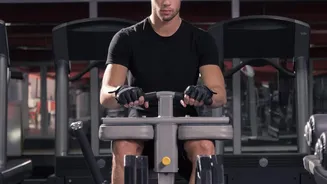
Proper form is crucial for maximizing benefits and preventing injury. For a standard seated cable row, start by selecting a light weight. Sit on the bench with your feet firmly on the footplates and your knees slightly bent. Grasp the handle, sit tall with your chest up, and pull your shoulders down and back. Keeping your torso stationary, exhale and pull the handle toward your lower abdomen. Focus on driving your elbows back past your body, keeping them close to your sides. At the peak of the movement, squeeze your shoulder blades together and hold for a second. Inhale and slowly extend your arms back to the starting position with control, allowing for a good stretch in your lats without rounding your back.
Common Mistakes That Sabotage Your Progress
Several common errors can reduce the effectiveness of the seated row and increase your risk of injury. The most frequent mistake is using too much momentum by leaning your torso back and forth. This takes the load off your back muscles and puts it on your lower back. Another issue is rounding your back, which can strain your spine. Always maintain a neutral, upright posture. Watch out for shrugging your shoulders up toward your ears; they should stay down and back. Lastly, avoid pulling primarily with your arms. If you feel it mostly in your biceps, reduce the weight and focus on initiating the pull by squeezing your shoulder blades together.
Row Variations to Keep Things Fresh
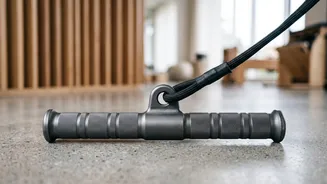
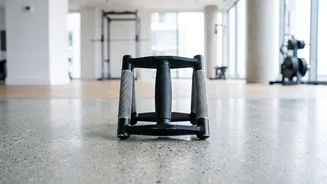
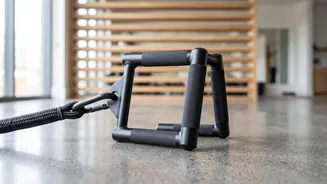
Once you master the standard row, you can introduce variations to challenge your muscles in new ways. Using a wide bar instead of a V handle shifts more emphasis to your upper back and rear deltoids. A single arm dumbbell row is another excellent alternative that allows you to work each side independently, helping to correct muscle imbalances. For those without access to a gym, a seated row can be performed effectively at home using a resistance band. Simply sit on the floor with your legs extended, loop the band around your feet, and pull the ends toward your torso.