

More Than Just Decoration
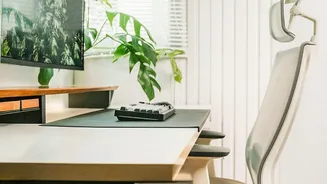
Integrating plants into your workspace is about more than just aesthetics; it's a principle known as biophilic design, which centres on our innate human need to connect with nature. Studies have shown that the presence of indoor plants can reduce stress,
improve concentration, and boost productivity by up to 15%. Plants also act as natural air purifiers, absorbing toxins and improving the air quality in your home office, which can help combat the fatigue and headaches associated with stale indoor air. A few well-placed plants can transform a sterile nook into a calming, focused environment that supports both well-being and work.
Finding and Assessing Your Nook
Before you buy a single plant, identify your potential workspace. It could be a small corner in the living room, a section of a wide hallway, or the area under a staircase. The key is to define the space. Notice the light it receives throughout the day. A spot near an east-facing window gets gentle morning sun, while a north-facing nook might offer consistent but low light. This assessment is crucial because matching the plant to the light it will actually receive is the most important step for success. Don't worry if your chosen nook is dim; many of the hardiest indoor plants thrive in low-light conditions.
Choosing Your Green Coworkers
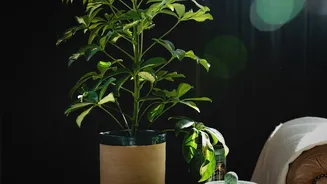
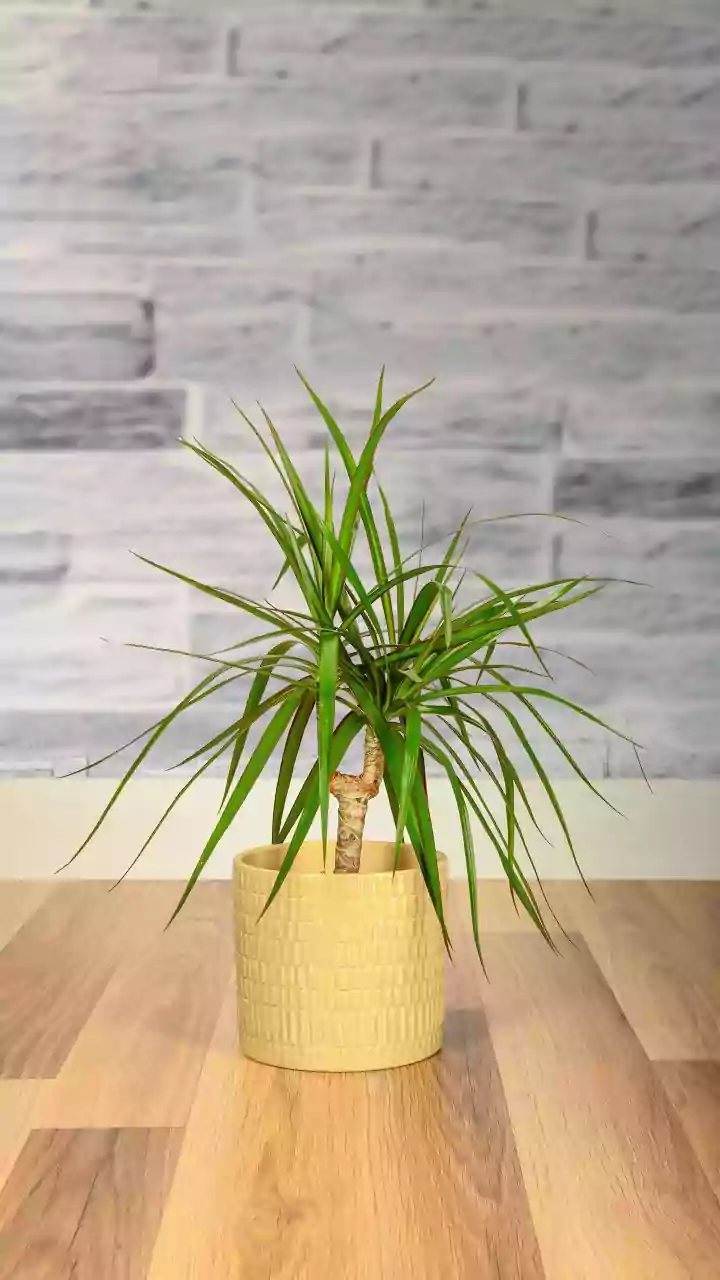
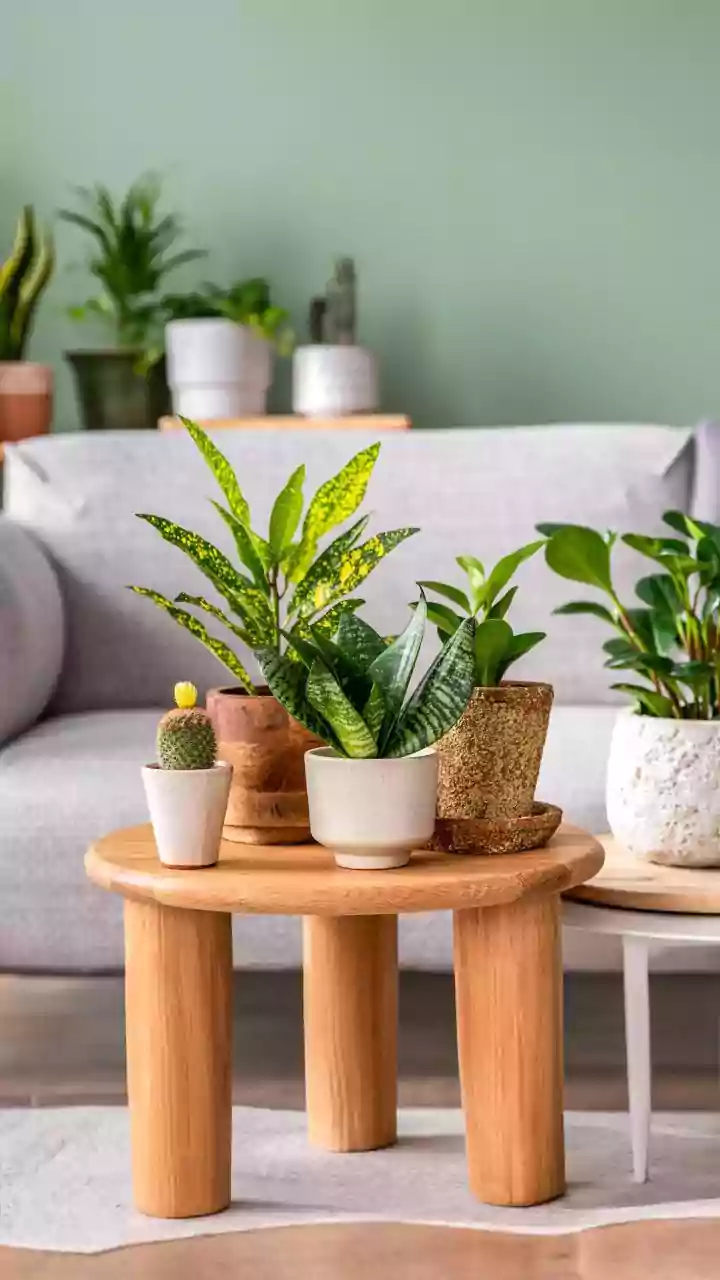
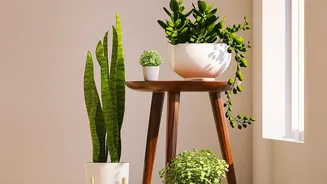
The right plant can make all the difference. For those low-light nooks, turn to indestructible options like the Snake Plant, ZZ Plant, or Pothos (Money Plant). These plants are famously tolerant of neglect and dim conditions. The upright form of a Snake Plant adds a sculptural element, while the trailing vines of a Pothos can soften the edges of a shelf or desk. If you have a bit more light, a Peace Lily or a compact Parlor Palm can add a touch of lushness. For defining a space, a taller plant like an Areca Palm or a Rubber Plant placed beside your desk can act as a natural, living screen.
Styling for Function and Flow
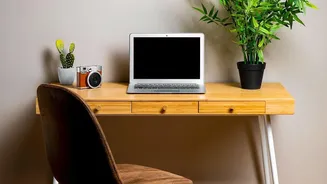
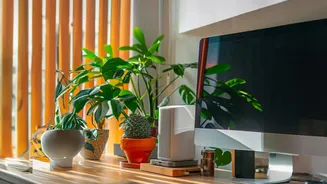
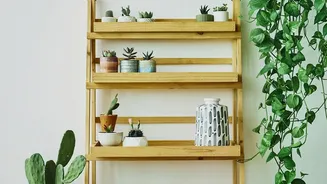
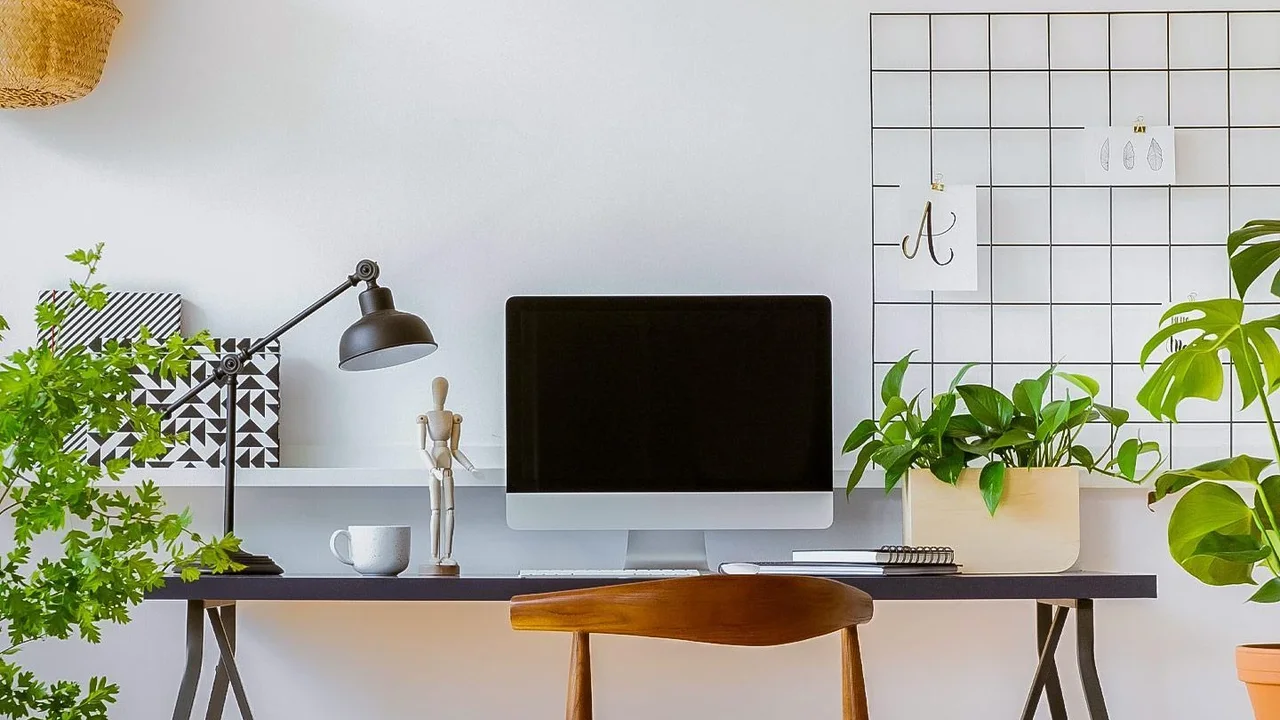
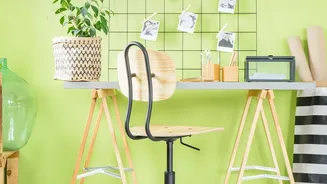
Styling is where your nook becomes a hub. To save precious floor space, think vertically. Use wall-mounted shelves to create a 'green wall' above your desk, or use hanging planters to draw the eye upward and create a sense of height. A tall plant can serve as a physical and psychological barrier, visually separating your workspace from the rest of the room. Grouping plants is another effective strategy. Cluster three pots of varying heights—a tall floor plant, a medium one on a stand, and a smaller one on the desk—to create a dynamic focal point that feels intentional, not cluttered. This layering makes the space feel fuller and more immersive.
Bringing It All Together
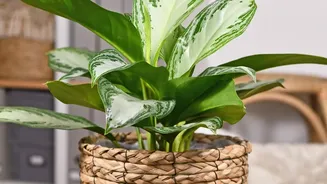
The final step is to ensure your setup is functional. Are the plants impeding access to power outlets? Are the trailing vines getting in the way of your keyboard? Arrange your green hub so it supports your work, rather than hindering it. Use planters that complement your apartment's decor—sleek ceramic for a modern look, or warm terracotta and cane for an earthy vibe. The goal is to create a small corner of the world that is not only beautiful and calming but also makes you feel focused and ready to tackle your workday. This small act of cultivating your workspace can have a surprisingly large impact on your daily routine.