

Why Active Paws Need Extra Attention
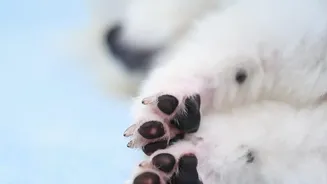
A dog's paw pads are natural shock absorbers, designed to protect the bones and joints from impact. While they are tough, they are not invincible. Frequent activity on varied terrains—from hot city pavement to rough trails—accelerates wear and tear. This
can lead to dryness, cracking, cuts, and abrasions. The constant friction and pressure mean that the very paws that power your dog's adventures are also the most vulnerable to injury. Regular inspection becomes crucial to catch small issues before they become painful problems that can sideline your canine companion.
The Nail Necessities
It’s a common myth that highly active dogs don't need their nails trimmed because they are naturally worn down. While running on hard surfaces like pavement can help file nails, it's rarely enough to keep them at an optimal length. Nails on dewclaws, which don't touch the ground, will never wear down on their own. Overgrown nails can be painful and force a dog to alter its gait, putting unnatural stress on joints, which can lead to long-term issues like arthritis. A good rule of thumb is if you can hear your dog's nails clicking on the floor, they are too long and it's time for a trim. For most active dogs, a trim every 4-8 weeks is a good starting point, but this varies based on individual growth rates and the surfaces they frequent.
Your Daily Paw Patrol Checklist
A simple, daily check can prevent a world of hurt. After every walk or play session, take a moment to inspect your dog's paws. Gently wipe them with a damp cloth to remove dirt, allergens, and any chemical residues from streets. Look closely at the pads for any signs of cuts, blisters, or cracking. Carefully check between the toes and pads for any embedded debris like thorns, small stones, or glass. This daily inspection not only keeps paws clean but also helps you spot potential problems early, such as redness, swelling, or excessive licking, which may signal an infection or injury.
Moisture is Key for Paw Pad Health
Just like human skin, paw pads can become dry, rough, and cracked, especially with high activity levels and exposure to extreme weather. A quality paw balm or wax can be a game-changer. These products work by creating a protective barrier on the pads while also moisturising them to maintain elasticity and prevent cracking. Look for balms with natural, pet-safe ingredients like shea butter or coconut oil. Applying a thin layer before heading out on a walk in hot or icy conditions can offer protection, while applying it before bed allows the balm to soak in and heal any minor cracks overnight.
When to See a Veterinarian
While many minor paw issues can be managed at home, some signs warrant an immediate trip to the vet. If you notice deep cuts, heavy or persistent bleeding, a visible foreign object lodged in the paw that you cannot easily remove, or a significant flap of skin torn from the pad, professional medical attention is necessary. Other serious warning signs include severe swelling, a foul odour, discharge (pus), or if your dog is limping badly and refusing to put any weight on their paw. These could indicate a serious infection, a fracture, or a torn ligament, and prompt veterinary care is crucial to prevent further complications.