


The First Hurdle: Startle and Surprise
Before any procedure begins, pilots must overcome the universal human reaction to a sudden, unexpected event: the startle effect. This is an involuntary physiological and cognitive reaction to something that violates a pilot's expectations, like a loud
bang or a sudden system failure warning. This initial shock can cause a brief moment of confusion or freezing, which is why training heavily focuses on overcoming it. In aviation, the first few seconds of a crisis are critical. The ability to move past the startle response and immediately begin assessing the situation is a core skill. It's the first filter through which every subsequent decision is made, regardless of whether the plane is at 3,000 feet or 35,000 feet.
When the Ground is Close: Takeoff and Landing
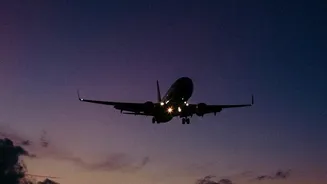
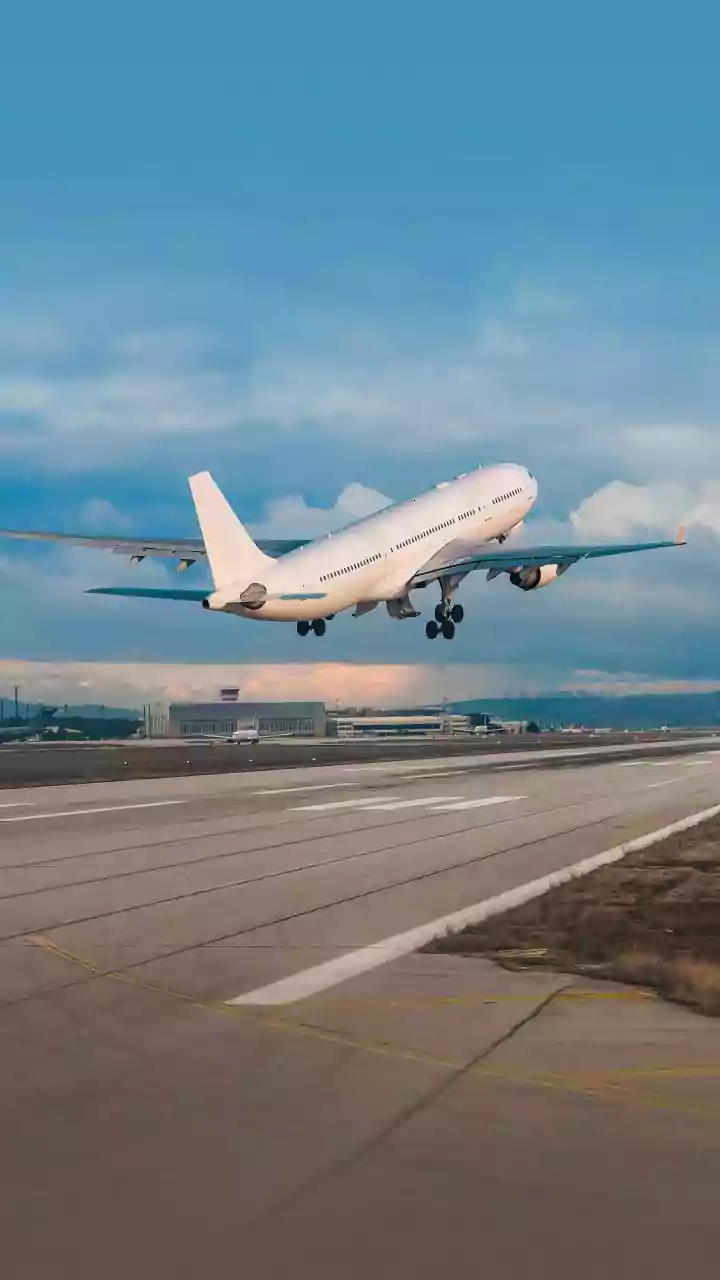
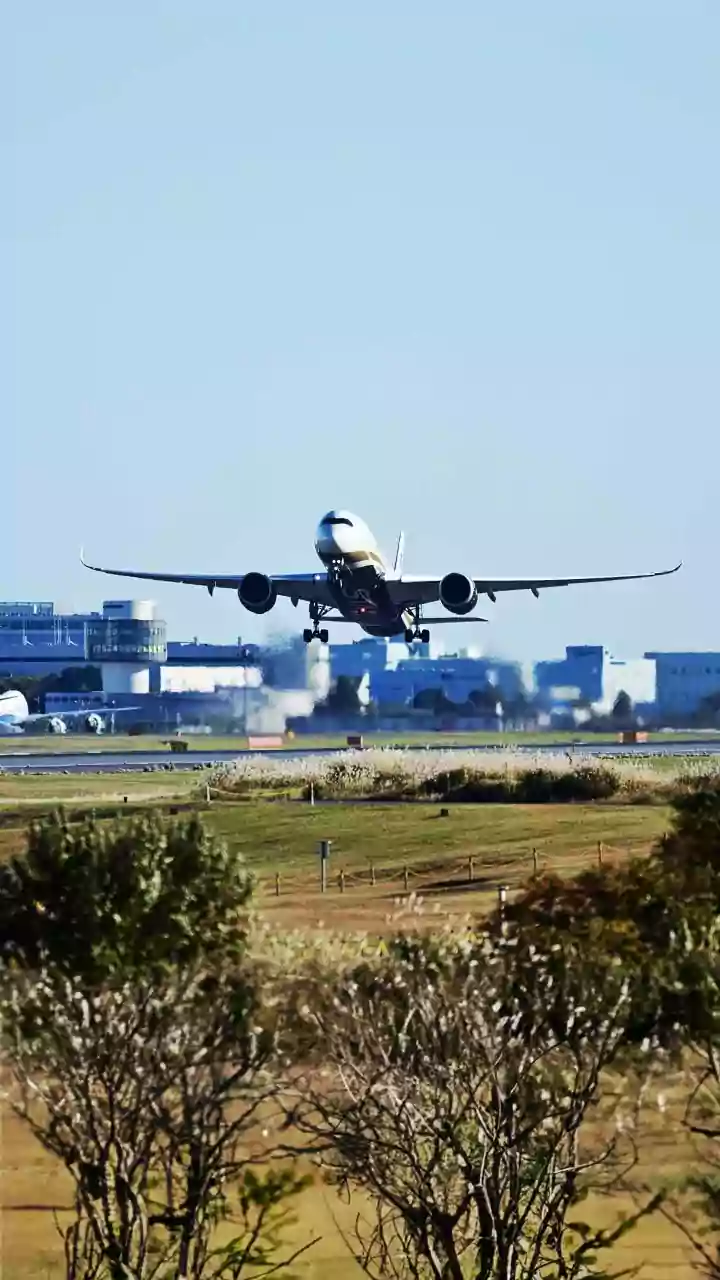
Emergencies during takeoff and landing are arguably the most critical because the aircraft has minimal altitude and speed to spare. There is virtually no time for troubleshooting or prolonged decision-making. In these low-altitude phases, the crew's response is guided by immediate, memorized actions designed to ensure the aircraft remains airborne. This is where the core aviation mantra, "Aviate, Navigate, Communicate," is most vital. The absolute first priority is to "aviate"—fly the airplane. This means maintaining control above all else. An engine failure on takeoff, for instance, requires an instant, practiced response to maintain airspeed and control before any other action is considered. Only once the aircraft is stabilized can the pilots move to navigating to a safe place (like back to the runway or an alternate airport) and, finally, communicating the situation to air traffic control and the cabin.
Crisis at 35,000 Feet: Time vs. Oxygen
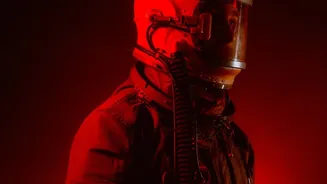
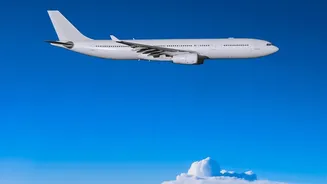
An emergency at cruising altitude presents a completely different set of challenges and advantages. The biggest advantage is time. With thousands of feet of altitude, pilots have more moments to analyze the problem, consult checklists, and formulate a plan. However, the high-altitude environment itself introduces a significant threat: hypoxia, or a lack of oxygen. In the event of a rapid decompression, the "Time of Useful Consciousness" (TUC) can be alarmingly short—sometimes as little as 15 to 20 seconds at 40,000 feet. This is the window a pilot has to take corrective action, like putting on an oxygen mask, before they become incapacitated. Therefore, the immediate response to a decompression is not to troubleshoot the cause but to don oxygen masks and initiate an emergency descent to a safe, breathable altitude, typically around 10,000 feet. Once at a safe altitude, the crew can then shift focus to diagnosing the problem and navigating to a suitable airport.
Training for Two Realities
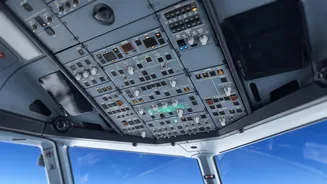
Pilot training is built around these two distinct realities. Simulators are crucial tools for preparing crews for both types of emergencies. For low-altitude failures like an engine loss on takeoff, training focuses on muscle memory and immediate, decisive action without hesitation. Pilots rehearse these scenarios repeatedly so that the correct response becomes almost automatic, bypassing the cognitive delays of the startle effect. For high-altitude crises, training emphasizes systematic problem-solving. Pilots practice Crew Resource Management (CRM), which involves clear communication and workload sharing to work through electronic or paper checklists methodically. They train for emergency descents and learn to recognize the subtle symptoms of hypoxia. This dual approach ensures that whether a crisis demands instantaneous reaction or calm, deliberate analysis, the flight crew has been prepared to handle it effectively, ensuring the safety of everyone on board.