






Understanding the Weather Alerts
The India Meteorological Department (IMD) has issued a series of alerts across the country, signalling a period of intense monsoon activity. A deep depression moving across central India is fueling widespread heavy rainfall, thunderstorms, and strong
winds. States like Odisha, Chhattisgarh, and Vidarbha are under a red alert, indicating a threat of extremely heavy showers, flooding, and major disruptions. Meanwhile, an orange alert is active for Delhi-NCR, Uttarakhand, and Himachal Pradesh, warning of heavy rain, potential waterlogging, and landslides. Mumbai is under a yellow alert for heavy rain and gusty winds. These alerts are crucial signals for commuters. A red alert suggests it's best to avoid travel if possible, an orange alert calls for extreme vigilance, and a yellow alert advises you to stay updated and be cautious. Understanding these warnings before you leave home is the first step in planning a safe journey.
How Authorities Are Responding
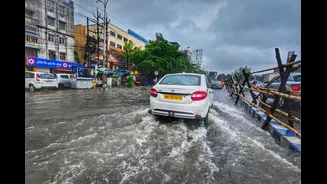
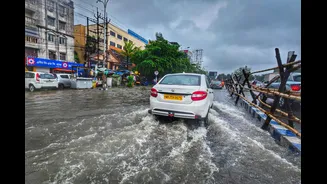
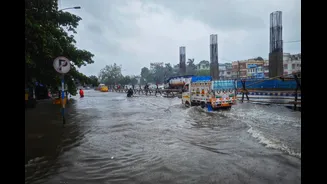
In response to the forecasts, municipal and police departments have activated their monsoon operation plans. In major cities like Delhi and Gurugram, traffic personnel have been deployed to manage congestion at key intersections and waterlogging-prone stretches. Dewatering pumps are being used in underpasses and low-lying areas to clear accumulated water. In some cases, authorities are advising proactive measures. For example, the Cyberabad Traffic Police suggested that IT companies implement staggered early office departures to ease evening rush hour traffic and enhance commuter safety during heavy rain forecasts. These plans aim to keep traffic moving and ensure emergency services can operate, but the sheer volume of rain can still overwhelm urban infrastructure, leading to inevitable delays and disruptions.
Before You Leave Home: A Safety Checklist
A little planning can make a significant difference. Before starting your journey, check the latest weather forecasts and live traffic updates using reliable apps. This allows you to anticipate delays and potentially find clearer routes. Charge your mobile phone fully and carry a power bank, as extended travel times are common. It's also wise to pack an emergency kit containing a small towel, a change of socks, some snacks, and a bottle of water, especially if you anticipate long delays. For your own protection, a sturdy umbrella or a full-length raincoat is essential. If you carry electronics like a laptop, use a waterproof bag or a rain cover to protect them from water damage.
For Drivers and Two-Wheeler Riders
If you are driving a car or riding a two-wheeler, your vehicle's condition is paramount. Ensure your tyres have adequate tread, your brakes are effective, and your wipers are functioning correctly. On the road, reduce your speed significantly. Wet surfaces increase braking distance and the risk of skidding. Maintain a greater distance from the vehicle in front of you to allow for more reaction time. Critically, never attempt to drive or ride through waterlogged streets if you cannot gauge the depth. Hidden potholes, open manholes, and other debris can cause serious accidents or vehicle damage. Using your headlights on a low beam setting improves your visibility to other drivers without blinding them.
Navigating Public Transportation
For those relying on public transport, expect delays. Heavy rain often leads to rescheduled or diverted bus routes and slower train services. Before heading to the bus stop or station, check for service updates through official transport apps or websites. On platforms, be mindful that surfaces can be extremely slippery, so wear footwear with a good grip. Always stay behind the designated safety lines and listen carefully to public announcements for any last-minute changes to schedules or platforms. Overcrowding can be an issue, so if possible, try to travel slightly before or after peak rush hours to avoid the worst of the crowds.