

A Growing Appetite for Wellness
The numbers tell a compelling story. India's healthy snacks market, valued at over USD 3 billion in 2025, is projected to grow steadily, with some estimates suggesting it could double in size by the early 2030s. This isn't just a fleeting fad; it's a fundamental
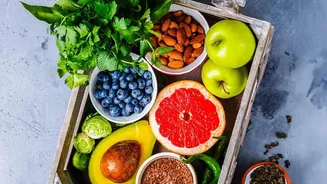
shift in consumer mindset. An increasing awareness of lifestyle diseases, a post-pandemic focus on immunity, and the influence of digital health trends are encouraging Indians to scrutinize ingredient labels like never before. Consumers are actively seeking out snacks that offer functional benefits—high protein, high fibre, low sugar, and natural ingredients. According to one 2025 consumer study, 72% of people look for functional benefits like energy and protein in their snacks. This quest for 'clean-label' products is forcing a reckoning in an industry long dominated by taste and tradition.
The Rise of New-Age Challengers
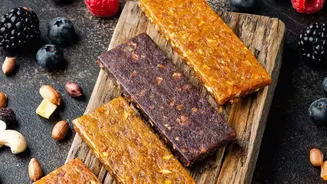
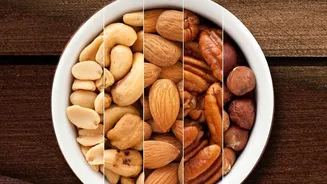
Tapping into this demand is a vibrant ecosystem of direct-to-consumer (D2C) brands. Companies like The Whole Truth, Farmley, Yoga Bar, and Slurrp Farm are disrupting the market with innovative products and transparent branding. Their arsenal includes baked, not fried, options; snacks made from ancient grains like millets (jowar, bajra, ragi); and products centered around nuts, seeds, and fruits. The millet snacks segment, in particular, is experiencing a renaissance, supported by government initiatives and its 'superfood' status. Sales of packaged millet foods have seen a dramatic increase in recent years. These D2C brands have masterfully used online channels and quick commerce platforms to reach health-conscious consumers in metros and Tier 1 cities, making trial and adoption easier than ever.
How Legacy Giants Are Responding
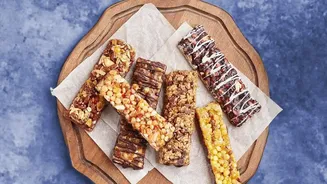
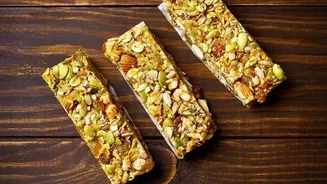
The established titans of the snack world are not standing still. Legacy players like Britannia, ITC, Parle, and Haldiram's are actively reformulating their portfolios. Britannia, for instance, has been working to reduce sugar and sodium in its products and has expanded its 'Eat Fit' range with healthier biscuit options. Zydus Wellness launched millet-based protein bars under its RiteBite brand in early 2026, while other companies are introducing baked versions of popular namkeens and snacks fortified with nutrients. The strategy is twofold: launch new health-focused sub-brands to capture the wellness-oriented consumer, and subtly make the core portfolio healthier to retain their loyal base without compromising on the familiar taste that built their empires.
Redefining the Indian Snack Aisle
This shift doesn't spell the end for the beloved samosa or the classic glucose biscuit. The overall Indian snacks market continues to grow, with traditional namkeen and biscuits still commanding a massive share. Rather, the market is expanding and fragmenting. What 'snacking' means is being redefined. It's no longer just an indulgent break; it's also a moment for nutrition. Consumers are now faced with a wider spectrum of choices, from roasted makhana and millet puffs to protein bars and digestive biscuits. While the health trend is most pronounced in urban areas, increased brand awareness and better distribution are slowly introducing these options to Tier 2 and Tier 3 cities, often through affordable small-sized packs. The future of the Indian snack aisle will be one of coexistence, where traditional comfort foods share shelf space with their modern, health-conscious counterparts.