




A City Turned Art Gallery
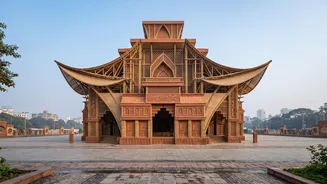
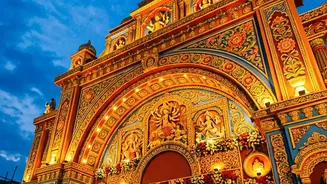
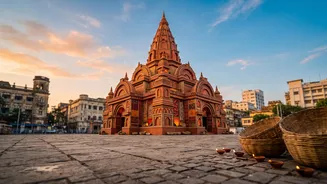
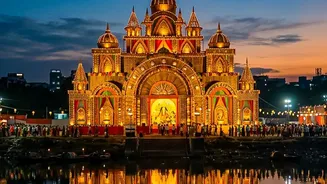
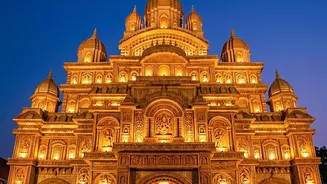
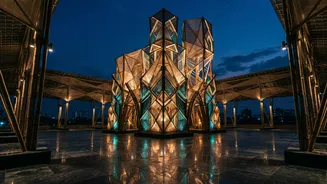
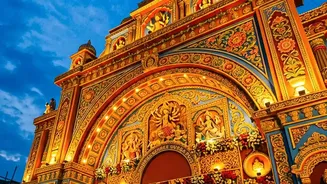
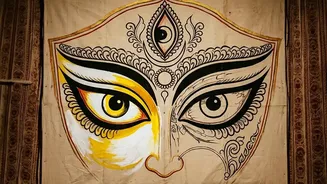
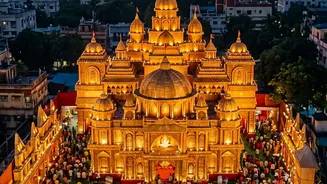
For five days, from Shashthi to Dashami, Kolkata sheds its routine to become a sprawling, walkable museum. The centrepieces are the pandals, temporary structures housing idols of Goddess Durga, which range from traditionally crafted tributes to ambitious,
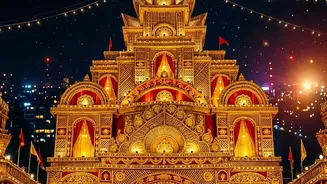
conceptual art installations. This year's festival, which concluded on October 21, saw a stunning variety of themes. Sreebhumi Sporting Club drew massive crowds with its recreation of Jaipur's Hawa Mahal, while Ekdalia Evergreen Club modelled its pandal on the Somnath Temple. Other organisers explored themes like the maritime history of Bengal merchants and the epic Ramayana, turning entire neighbourhoods into immersive displays of craftsmanship and creativity. The city itself becomes part of the art, with public infrastructure like the Gariahat flyover painted in festive colours to enhance the celebratory atmosphere.
The Pandal-Hopping Food Trail
In Kolkata, pandal-hopping is as much a culinary pilgrimage as it is a cultural one. The journey between artistic marvels is fuelled by a vibrant street food scene that comes alive especially for the festival. This food trail is not about formal, sit-down meals; it is about spontaneous stops at roadside stalls, where the food is designed to be eaten on the move while navigating crowds. The experience is a multi-course meal in itself, with the 'courses' determined by which pandal you are heading to next and what delicious aroma catches your attention along the way. This creates a unique rhythm to the celebration, where admiring an elaborate idol is naturally followed by joining a queue for a popular snack.
An Essential Gastronomic Guide
The food options are as diverse as the pandal themes. For many, the night begins with puchka, the city's iconic version of pani puri, whose tangy, spicy water is the perfect jolt to the senses. As the night progresses, heartier snacks become essential. The Kolkata kathi roll, a flaky paratha wrapped around succulent fillings like chicken or egg, is a portable and satisfying meal in itself. Another favourite is telebhaja—assorted vegetables like brinjal (beguni) or onion (peyaji) dipped in batter and deep-fried to crispy perfection. For those seeking something distinctly Bengali, there is ghugni, a slow-cooked curry of dried peas, often garnished with chopped onions and chillies. These dishes are not just snacks; they are integral parts of the festive tradition.
The Sweet Conclusion
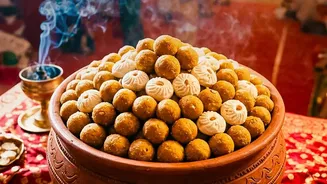
No festive meal in Bengal is complete without mishti (sweets). Sweet shops across Kolkata showcase an abundant display of their finest offerings during Puja. Classics like the syrupy rosogolla and the delicate sandesh, made from fresh chenna, are easy to pick up between pandals. Another cherished dessert is mishti doi, a sweetened yoghurt traditionally served in earthen pots, offering a cooling contrast to the spicy street food. Enjoying a sweet treat provides a fitting end to a long night of walking, eating, and celebrating, allowing for a brief, delicious pause before the journey to the next pandal continues.