






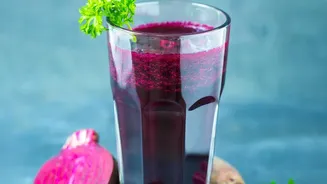
The Power of Purple
At first glance, beetroot seems an unlikely candidate for a performance enhancer. However, this vegetable is a powerhouse of inorganic nitrates. While found in many leafy greens like spinach, beetroot can be juiced into a concentrated form, making it easier
for athletes to consume the high doses needed for a physiological effect. This isn't about simply eating more salads; athletes are using specially formulated, nitrate-rich beetroot shots and powders to gain a specific, measurable advantage. The practice has become so widespread that it's often jokingly referred to as 'legal doping' in sports circles.
The Science of the Pump
The magic of beetroot lies in a simple but powerful biological process. When an athlete consumes dietary nitrate, bacteria in their saliva convert it into nitrite. This is a crucial first step; using antibacterial mouthwash can actually negate the supplement's effect. Once in the bloodstream, the body converts this nitrite into nitric oxide (NO). Nitric oxide is a potent vasodilator, meaning it signals the smooth muscles in blood vessel walls to relax, causing them to widen. This widening effect increases blood flow throughout the body, allowing more oxygen and nutrients to be delivered to working muscles.
Oxygen as Rocket Fuel for Muscles
For a sprinter, this enhanced oxygen delivery is critical. Sprinting is an explosive, high-intensity activity that places immense demands on fast-twitch muscle fibres. These muscles require a rapid supply of oxygen to function at peak power. By improving blood flow, nitric oxide essentially reduces the oxygen cost of exercise, making muscles more efficient. Studies have shown this can lead to improved performance, increased time to exhaustion, and enhanced muscle power output. For a sprinter, being able to generate more power for even a fraction of a second longer can be the difference between a gold medal and fourth place.
Decoding the 'Micro-Dose'
The term 'micro-dosing' in this context doesn't refer to a psychedelic practice but rather a precise nutritional strategy. Athletes aren't just chugging beetroot juice indiscriminately. They are using concentrated shots or powders to consume a specific, effective dose of nitrate. Research suggests the optimal amount is between 350-600 mg of nitrate, typically taken about two to three hours before competition to coincide with peak nitric oxide levels in the blood. This timing is crucial. Products like 70ml concentrated shots are popular because they deliver this specific dose without the volume or sugar of regular juice. Some athletes also engage in 'loading,' consuming this dose daily for several days leading up to an event to maintain elevated nitrate levels.
Is It Safe and Legal?
One of the biggest appeals of beetroot nitrate is that it's a completely natural, food-based supplement. It is legal and not on the World Anti-Doping Agency's (WADA) list of prohibited substances. The International Olympic Committee has even recognized dietary nitrate as a safe and effective performance aid. However, one study noted the presence of higenamine, a substance banned by WADA, in some beetroot products, though at levels far below the reporting limit. Side effects are generally mild. The most common is beeturia—a harmless pink or red tint to urine and stools that affects about 10-14% of people. Because of its high oxalate content, people prone to kidney stones should be cautious. Also, due to its blood pressure-lowering effects, individuals already on blood pressure medication should consult a doctor before supplementing.
Should Weekend Warriors Bother?
While elite athletes are reaping the benefits, the effects aren't limited to the pros. Studies suggest that beetroot supplementation can improve cardiorespiratory endurance in non-athletes as well. Recreational runners and gym-goers may find they can push their workouts a bit longer or harder. However, the evidence for benefits in explosive, short-burst activities is still developing, with some studies showing more pronounced effects in endurance events. Ultimately, for those looking to shave a few seconds off their 5km time or simply get more out of a workout, a pre-exercise beetroot shot could be a worthwhile experiment. It's a tool, not a magic solution, but one that's firmly rooted in science.