
Clothing: Layer Smart, Stay Dry
During a monsoon trek, cotton is your worst enemy. It absorbs moisture, gets heavy, and takes a long time to dry, increasing your risk of getting cold. Instead, opt for lightweight, quick-drying synthetic fabrics. Pack two sets of clothes: one for trekking
and one to keep completely dry for camping or post-trek warmth. Your trekking attire should consist of full-sleeved T-shirts and full-length pants to protect against scratches and insects. A reliable, breathable, waterproof jacket is non-negotiable. While a jacket keeps you dry from rain, a poncho offers the added benefit of covering both you and your backpack, providing an excellent all-in-one shield against downpours.
Footwear: Grip is Everything
Slippery rocks, muddy slopes, and moss-covered paths are the signature terrain of a Western Ghats monsoon trek. Your regular sports sneakers won't cut it. Invest in a pair of quality trekking shoes with deep lugs and a strong grip. While waterproof shoes sound ideal, many experienced trekkers prefer quick-draining, mesh-heavy shoes. Heavy waterproof boots can fill with water from the top (from rain running down your legs) and stay waterlogged for hours. Whichever you choose, ensure you buy them half a size larger to accommodate for swollen feet and thick socks. Also, carry a pair of lightweight sandals or flip-flops for use at your campsite to give your feet a much-needed break.
Rain Protection: Your Shield Against the Elements
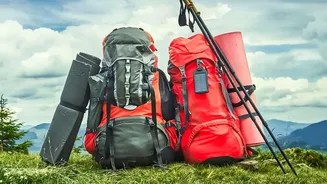
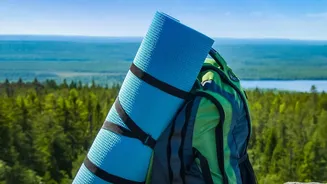
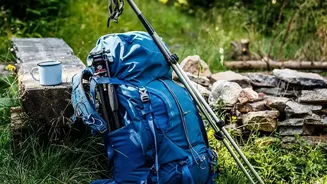
Relying on a single rain jacket is a rookie mistake. The Indian monsoon requires a multi-layered defence system for your gear. Start with a water-resistant backpack that has a dedicated, built-in rain cover. This is your first line of defence. For the second layer, line the inside of your backpack with a large, sturdy plastic bag or a dedicated pack liner. Finally, for critical items like electronics, a sleeping bag, and a change of clothes, use smaller waterproof dry bags or reliable ziplock bags. This triple-layer system ensures that even if you take a tumble into a stream, your essential gear remains bone dry.
The Leech Protection Kit
Leeches are an unavoidable part of the Western Ghats monsoon experience, but they don't have to ruin your trek. They are mostly harmless, and preparation is key. Wear anti-leech socks, which are long, thick socks that create a barrier. Tucking your trousers into your socks is also an effective deterrent. Many trekkers carry a small spray bottle containing a mixture of salt and water, or Dettol and water, to spray on their shoes and socks as a repellent. If a leech does attach, do not panic or pull it off forcefully. This can leave its mouthparts in your skin. Instead, gently flick its sucker with a fingernail or sprinkle some salt on it, and it will detach on its own. Clean the wound with an antiseptic afterward.
Safety Gear and First Aid
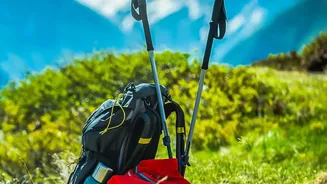
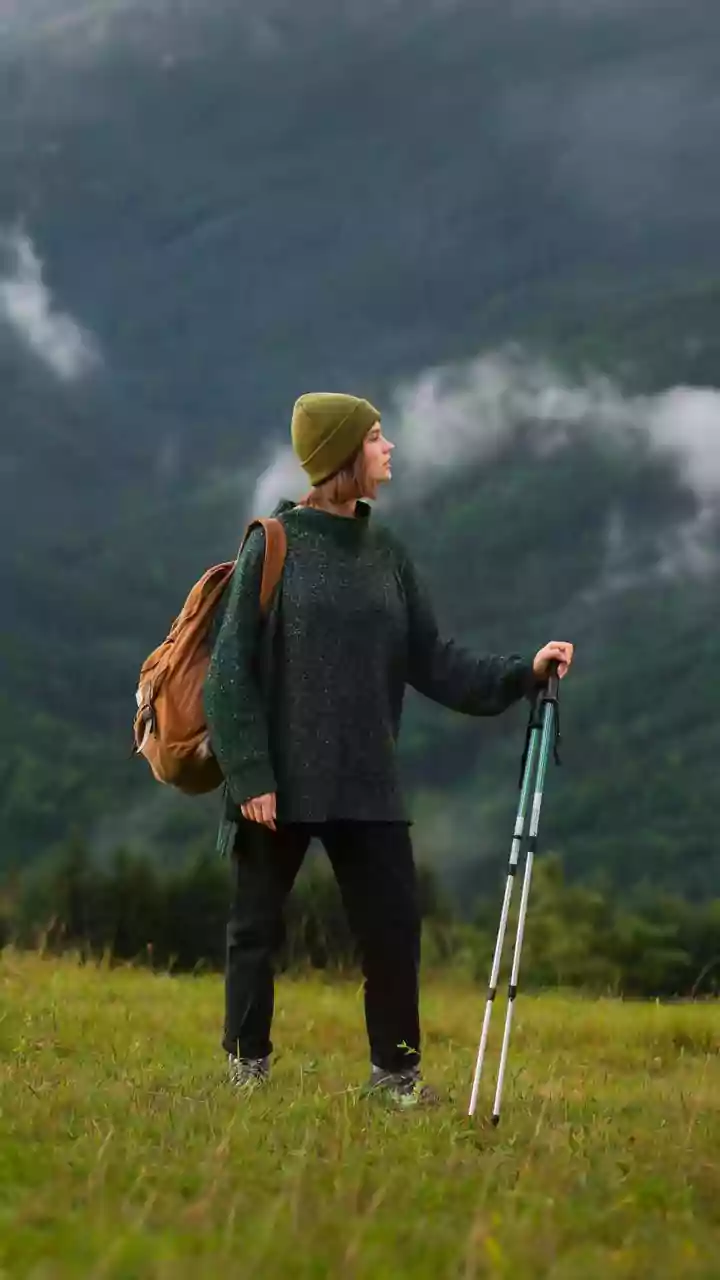
A well-stocked first-aid kit is essential. Besides the usual bandages, antiseptic wipes, and pain relievers, add items specific to monsoon trekking. This includes antiseptic liquid for cleaning leech bites, adhesive tapes, and blister care. A trekking pole is highly recommended; it acts as a third limb, helping you maintain balance on slippery descents and gauge the depth of muddy puddles. Always carry a headlamp or torch with extra batteries, as mist and cloud cover can drastically reduce visibility, even during the day. A power bank for your phone and a whistle for emergencies are small additions that provide a significant safety net.
Pre-Trek Preparations
Your safety checklist begins before you even hit the trail. Always research your chosen route and check for any recent advisories or closures. Landslides and swollen streams can make certain trails dangerous during heavy rains. Inform a reliable contact person about your itinerary, including your start and expected end times. Travel in a group whenever possible, especially if you are not familiar with the terrain. Hiring a local guide is often a wise investment, as they have invaluable knowledge of the area's risks and safe passages. Lastly, always check the weather forecast right up until you start your trek, but be prepared for it to change suddenly in the mountains.