




From the Halwai to the Artisan
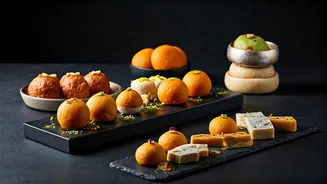
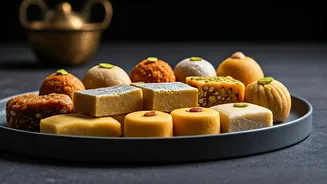
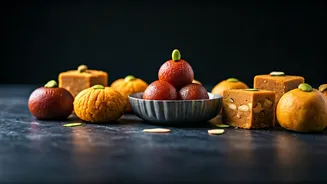
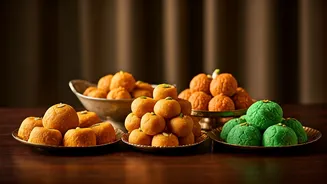
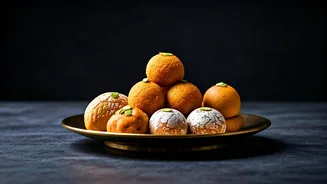
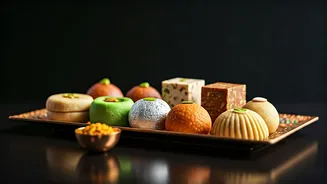
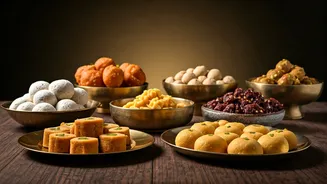
The local halwai has long been the heart of festive preparations, their shops overflowing with laddoos, barfis, and pedas. While these classics remain beloved, a new movement is reshaping India’s sweet landscape. [3, 20] A generation of artisanal and gourmet
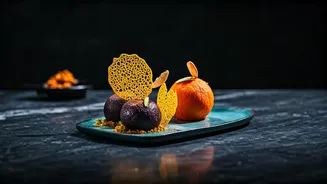
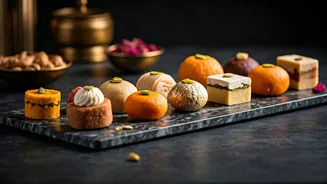
mithai makers are pushing the boundaries, turning traditional recipes into works of culinary art. [3, 8] This shift is driven by a desire for something more than mass-produced sweets; consumers are now seeking quality, authenticity, and a connection to what they eat. [5] These new-age confectioners are not replacing tradition but are building on its legacy, using their craft to tell a new story. [6, 10]
What Defines a 'Premium' Sweet?
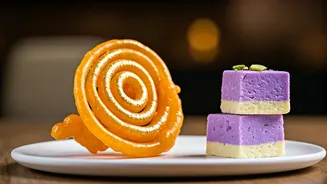
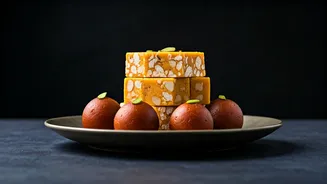
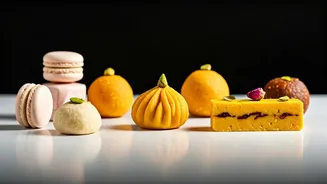
The premium mithai experience is defined by three key elements: superior ingredients, flavour innovation, and sophisticated presentation. Artisanal brands prioritise high-quality components like organic milk, single-origin nuts, and natural sweeteners like jaggery and dates. [3, 9, 10] Flavours have also become more adventurous, with global influences creating exciting fusion sweets. Imagine a gulab jamun cheesecake, a hazelnut-besan barfi, or a tiramisu-flavoured ladoo. [2, 18] These creations blend familiar Indian tastes with contemporary palates. [2, 3] Finally, the packaging itself has become a crucial part of the experience, with elegant, customisable boxes designed to make gifting feel special and luxurious. [5, 9]
A More Personal Form of Gifting
At its core, the rise of premium sweets is about personalisation. In a world of mass production, a box of artisanal mithai allows the giver to make a thoughtful statement. [5] Brands are increasingly offering bespoke services where customers can personalise everything from the packaging to the selection of sweets inside, aligning the gift with a specific event or theme. [9, 15] This could mean choosing flavours that the recipient loves or curating an assortment that tells a story. This shift transforms the act of gifting from a mere formality into an emotional and deeply personal gesture, reflecting the giver’s taste and their relationship with the recipient. [5]
The Evolution of Tradition
This trend is not about abandoning the sweets we grew up with; it's about ensuring they evolve. [3] Many of these modern brands are founded by people with a deep respect for their culinary heritage who want to make it relevant for a new generation. [6, 10] By combining traditional techniques with modern aesthetics and flavours, they create sweets that are both nostalgic and novel. [2] Fusion desserts like rasmalai tres leches cake or cardamom crème brûlée serve as a bridge between cultures, feeling sophisticated enough for a modern dinner party while still carrying the warmth of home. [6] This evolution proves that tradition doesn't survive by staying static, but by adapting to contemporary tastes. [19]
A Reflection of Changing India
The demand for premium mithai is a mirror of broader shifts in Indian society. Rising disposable incomes, global exposure, and the growth of e-commerce have all played a part. [4, 11] Today’s consumers, particularly millennials and Gen Z, value experiences, authenticity, and products that reflect their identity. [5, 13] They are also more health-conscious, leading to a rise in sweets made with alternative sweeteners, millets, and other functional ingredients. [2, 12, 23] This booming market, with the packaged sweets segment projected to grow significantly, shows that the desire for indulgence is increasingly paired with a demand for quality, craftsmanship, and a story. [4, 12, 23]