



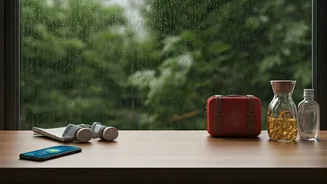


Power and Light When the Grid Goes Down
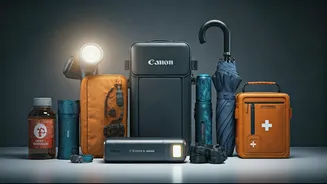
Frequent power cuts are a hallmark of the Indian monsoon. When the lights go out, fumbling for candles and matches is the last thing you want. A modern survival kit begins with reliable backup power. High-capacity power banks (20,000mAh or more) are non-negotiable
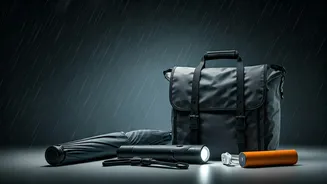
for keeping your phone charged—your lifeline for communication and information. [17] Invest in rechargeable LED emergency lights or headlamps, which are safer and brighter than candles. [2] For those in areas with prolonged outages, a small inverter or a portable generator can be a game-changer, keeping fans, lights, and even the Wi-Fi router running. [17] Remember to keep these power sources charged ahead of any heavy rain warnings. [16]
A Kit for Health and Hygiene
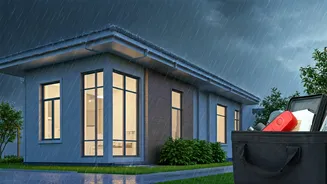
The monsoon brings a heightened risk of infections—from mosquito-borne illnesses like dengue and malaria to water-borne diseases. [3, 5] Your shopping list should include a robust first-aid kit stocked with antiseptic liquids, waterproof bandages, pain relievers, and any personal medications. [9, 14] With stagnant water creating breeding grounds for mosquitoes, a good insect repellent is essential. [4, 9] It’s also wise to have water purification tablets or a portable filter to ensure your drinking water is safe, as municipal supplies can get contaminated. [7] Hand sanitisers and antibacterial wipes are also crucial for maintaining hygiene when clean water isn't readily available. [2]
Food and Water Reserves
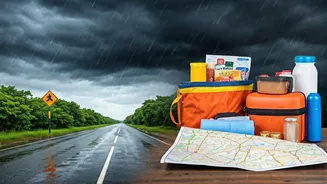
Water-logging and transport disruptions can easily cut you off from grocery stores. Being prepared with a small stockpile of food and water is a fundamental aspect of monsoon survival. Store at least a three-day supply of drinking water, with a recommendation of one gallon per person, per day. [18] For food, focus on non-perishable items that don't require cooking, such as energy bars, biscuits, dry fruits, and ready-to-eat meals. [8, 9] These can be a lifesaver if you're stuck at home without power or gas for an extended period. [15]
Protecting Your Home and Valuables
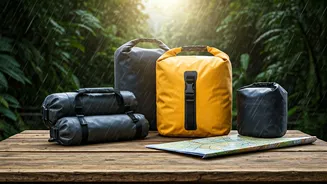
Survival isn't just about personal safety; it's also about protecting your environment. Before the rains hit, check for and seal any potential leaks in your roof or walls with waterproofing solutions. [12, 15] Using surge protectors for expensive electronics can prevent damage from the voltage spikes that often accompany power restoration after an outage. [17] Keep important documents, cash, and small gadgets in waterproof zip-lock bags or pouches to protect them from leaks or flooding. [8, 19] It's also a good idea to ensure your home's drainage systems are clear to prevent waterlogging around your property. [22]
Essential Gear for Navigating Outside
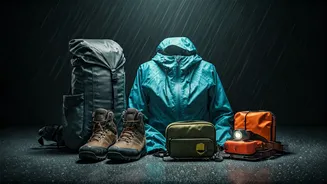
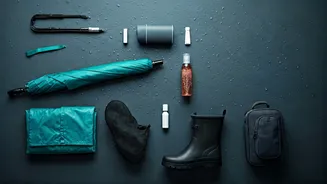
While the best advice during heavy rain is to stay indoors, sometimes you have to venture out. Your monsoon gear should go beyond a basic umbrella. A sturdy, full-coverage raincoat or poncho is vital. [2] Invest in footwear with a strong grip, like rubber sandals or anti-skid shoes, to navigate slippery, waterlogged streets safely. [2, 12] For travel, a waterproof backpack cover will protect your belongings. [8] If you're walking or riding at night or in low visibility, having reflective tape on your jacket or bag can make you more visible to traffic.