



Rethinking the Outer Layer
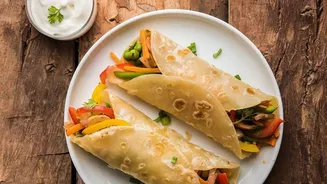
The foundation of any good wrap is, of course, the wrapper itself. While a standard flour tortilla or a wholewheat roti is a classic choice, their tendency to become soggy can be a problem. One of the best ways to combat this is to create a natural, edible
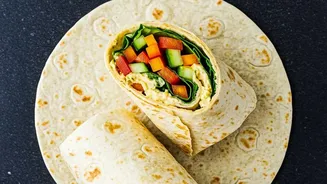
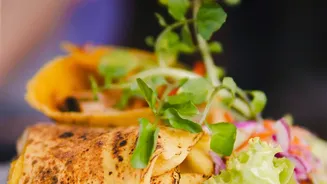
barrier using large, sturdy vegetables. A crisp leaf of iceberg lettuce or a large, pliable leaf from a cabbage can act as a secondary, internal wrapper. Before adding your fillings, lay down a clean, dry lettuce or cabbage leaf onto your tortilla. This creates a moisture-proof shield that helps keep wet ingredients like chutneys or scrambled eggs from turning your wrap into a soggy mess. For an even healthier approach, you can skip the grain-based wrapper altogether and use blanched collard greens or large romaine leaves as your primary wrap.
The Art of the Pantry Seal
The secret to a wrap that doesn't unravel lies in creating a seal, and your pantry likely holds several effective options. A thick, spreadable 'glue' can be applied to the edge of the tortilla before the final fold, holding everything together. Think of a thick hummus, a smear of cream cheese, or even mashed avocado. These not only act as an adhesive but also add another layer of flavour. Another fantastic method is using cheese. Sprinkling a little shredded cheese along the final edge of the wrap before rolling it up creates a powerful bond when heated. Once you place the wrap seam-side down in a hot pan, the cheese melts and fuses the edge shut, creating a delicious and effective seal.
Strategic Filling is Key
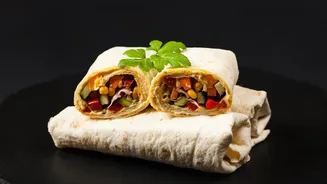
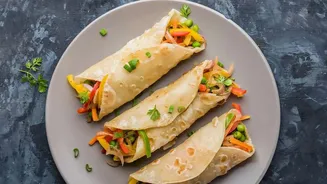
How you fill your wrap matters just as much as how you fold it. The most common mistake is overfilling. It might be tempting to pack it with all your favourite ingredients, but this is the fastest way to a wrap that bursts at the seams. Aim to keep your fillings contained to the centre third of the tortilla. The order of ingredients is also crucial. Start with your 'wet' ingredients or sauces spread directly onto the tortilla, then add a layer of a barrier ingredient like a lettuce leaf or a slice of cheese. Place drier ingredients like scrambled eggs, grilled paneer, or cooked vegetables on top. This layering strategy keeps the liquid components away from the tortilla's exterior, preventing sogginess and structural failure.
Mastering the Perfect Fold
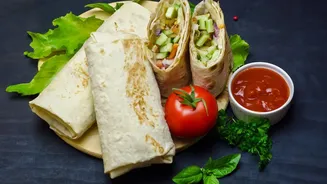
There are several folding techniques, but the most secure for a portable breakfast is the classic burrito-style fold. After arranging your fillings in the centre, fold the left and right sides of the tortilla in over the filling. Then, take the bottom edge (the one closest to you) and fold it up and over the fillings, tucking it in tightly. Continue to roll the wrap away from you, keeping it snug as you go. An alternative that has gained popularity is the 'quarter-fold' hack. You make a single cut from the centre of the tortilla to the outer edge, place different ingredients in each of the four quadrants, and then fold each quarter onto the next. This method works well for toasted or pressed wraps and keeps ingredients from mixing.
The Final Touches for Portability
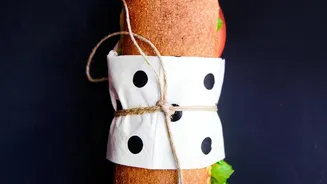
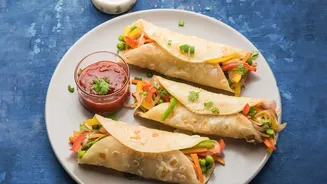
Once your wrap is sealed, a quick toast in a dry pan can make all the difference. Placing the wrap seam-side down on a warm skillet for a minute or two helps solidify the seal and adds a pleasant, crispy texture. This step is especially effective if you have used a cheese or sauce-based 'glue'. For maximum on-the-go security, wrapping the finished product in parchment paper or foil is the final step. A well-wrapped piece of parchment can be folded to secure the ends without any tape, ensuring your breakfast remains intact until you are ready to eat it. This not only keeps it warm but also provides a clean way to hold it, catching any potential drips and making your commute a little less messy.