




Setting a Realistic Weekly Budget
The first step to budget cooking is knowing what you can realistically spend. For a small Indian family of two to three, a weekly grocery budget for vegetables, dals, and grains can range from ₹1000 to ₹1500. This is an estimate and can vary significantly
based on your location—Tier 1 metro cities are often more expensive than Tier 2 or 3 cities—and your family's eating habits. This budget focuses on core staples: seasonal vegetables, a variety of dals, rice, and atta (whole wheat flour). It purposefully excludes expensive gourmet items, imported goods, and frequent purchases of paneer, which can quickly inflate costs. The goal is a nourishing, home-cooked diet rooted in affordability.
The Smart Vegetarian Shopping List
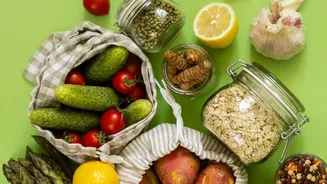
A successful budget week starts with a plan. Before you shop, create a list. This prevents impulse buys, which are a major drain on any budget. Prioritize buying from local vegetable markets or mandis, where produce is often fresher and cheaper than at supermarkets. Your list should be built around versatile staples. For grains, include rice and whole wheat atta. For proteins, a mix of dals like toor, moong, and chana dal provides variety and nutrients. When it comes to vegetables, seasonality is key. Buying seasonal produce means better prices and flavour. As of late 2026, staples like onions and tomatoes have seen price fluctuations, so it's wise to buy just what you need for the week. Potatoes, cabbage, gourds (lauki), and spinach are generally affordable options.
A Sample 7-Day Budget Meal Plan
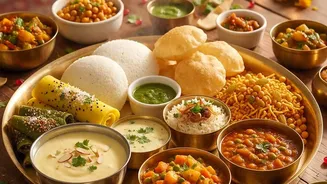
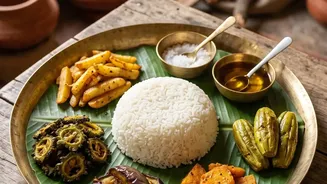
Here is a simple, cost-effective vegetarian meal plan for one week. This plan focuses on minimizing waste by using common ingredients across different meals. Breakfast: Options can rotate between Poha with peanuts, Upma, or simple Parathas with curd. These are filling and use basic pantry staples. Lunch: The classic Indian thali format is both balanced and economical. A typical lunch would be Roti, a bowl of Dal (like Toor or Moong dal), a seasonal Sabzi (vegetable dish), and a side of rice. This ensures a good mix of carbohydrates, protein, and fibre. Dinner: Keep dinners light and simple. Options include Khichdi (a one-pot dish of rice and lentils), Dal with Roti, or using leftover sabzi from lunch. For example, leftover potato sabzi can be mashed and used as a filling for parathas the next morning.
Cooking Techniques to Stretch Your Rupee
How you cook is as important as what you buy. Planning your meals helps you use ingredients efficiently and reduces spoilage. One of the best strategies is to batch-cook certain items. For instance, you can prepare a large batch of basic onion-tomato gravy at the start of the week. This base can then be quickly adapted for various sabzis and dals, saving time and cooking fuel on busy weekdays. Embrace leftovers. Don't let cooked food go to waste. Leftover dal can be kneaded into atta to make flavourful parathas. Extra rice can be turned into lemon rice or fried rice for the next day's lunchbox. This 'leftover makeover' approach is a cornerstone of frugal kitchen management.
Beyond the Plate: Hidden Costs
A food budget isn't just about the raw ingredients. Cooking oil, spices, and cooking gas are also significant expenses. To save money, buy spices whole and grind them at home in small batches for better flavour and longevity. Purchase cooking oil in larger cans, which often have a lower per-litre cost than smaller pouches or bottles. Be mindful of your cooking gas usage. Using a pressure cooker for dals and potatoes drastically cuts down cooking time and fuel consumption. Similarly, covering pots and pans with a lid helps food cook faster, saving precious gas. These small habits, when practiced consistently, add up to noticeable savings over the month.