




The Monsoon's Hidden Hazard
The arrival of the rains is a celebrated event across India, but it also marks a sharp increase in waterborne diseases. Heavy rainfall can lead to contaminated water supplies, with sewage sometimes mixing with drinking water sources. This creates an ideal
breeding ground for harmful bacteria like E. coli and Salmonella. These pathogens are a primary cause of gut infections such as gastroenteritis, diarrhoea, and typhoid, which see a seasonal surge during these months. The high humidity also helps microbes multiply rapidly on food surfaces, making food safety a critical concern.
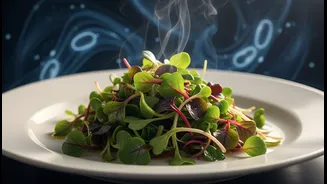
Microgreens: A Healthy Food with a Catch
Microgreens have become incredibly popular for their concentrated nutrient content and vibrant flavour. These tiny seedlings of vegetables and herbs are packed with vitamins and antioxidants that support gut health. However, like any fresh produce eaten raw, they can pose a risk. Because they are grown in moist conditions and often consumed without cooking, they can be susceptible to contamination from bacteria in the water or soil. During the monsoon, this risk is amplified, as the very water used to grow them might be compromised.
Rethinking Raw Salads This Season
While a crisp, raw salad is refreshing, health authorities and food safety experts often advise against consuming raw leafy greens during the monsoon. The risk of contamination is simply too high. Even thorough washing, while helpful, may not eliminate all pathogens. Food Safety and Standards Authority of India (FSSAI) guidelines frequently emphasize cooking vegetables fully during this period to avoid food-borne illnesses. This is because heat is one of the most effective ways to ensure your food is safe to eat.
Heat as Your Hero: The Sauté Solution
This is where sautéing comes in. A quick toss in a hot pan is a simple and effective way to make your microgreens safer without sacrificing all their benefits. Cooking leafy greens to a high enough temperature (at least 75°C) will kill most harmful bacteria, including E. coli and Salmonella. Sautéing is an ideal method because it's fast, preserving much of the delicate texture and a significant portion of the nutrients. Unlike boiling, which can leach water-soluble vitamins, a quick sauté helps retain more of the plant's goodness while providing a crucial layer of safety. Lightly cooking microgreens can also make them easier to digest for some people.
A Principle for All Greens
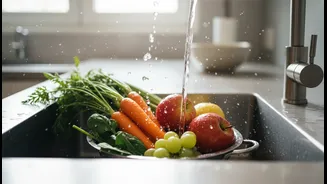
This safety principle isn't just for microgreens. It applies to all leafy vegetables you consume during the monsoon, from spinach and fenugreek to amaranth leaves. Always wash greens thoroughly in clean water before cooking. Some traditional practices, like washing greens in salt water or a diluted vinegar solution, can also help. But the final, most reliable step for safety during this high-risk season is to cook them. A simple stir-fry, a quick sauté, or adding them to soups and dals ensures that you kill any lingering pathogens while still getting the nutritional benefits of greens.
Supporting Your Gut, Safely
Protecting your gut during the monsoon is a two-step process. The first and most important step is avoiding the introduction of harmful bacteria. By cooking your microgreens, you neutralize the immediate threat of pathogens. The second step is nourishing the good bacteria that already live in your gut. Cooked microgreens still provide valuable dietary fibre, which acts as a prebiotic to feed your beneficial gut microbiome. A healthy gut microbiome is essential for strong immunity, which is exactly what you need to stay healthy throughout the season.