

More Than Just Nostalgia
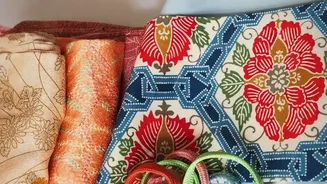
For years, handloom fabrics were often relegated to occasion wear or seen as relics of a bygone era. Today, they are at the forefront of a major style renaissance. This is not just about nostalgia; it is a conscious shift towards authenticity and sustainability.
Consumers are increasingly drawn to the story behind their clothes, valuing the human touch and eco-friendly nature of handwoven textiles. Unlike mass-produced fabrics, handloom production has a minimal carbon footprint, often using natural fibres and dyes with little to no electricity. This revival reflects a global trend towards 'slow fashion', where quality, longevity, and ethical production are prized over fleeting trends. It’s a movement that feels both timely and necessary, re-establishing handloom as a responsible and beautiful choice for the modern world.
The Weaves of the Moment
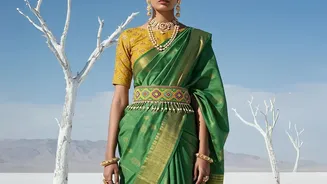
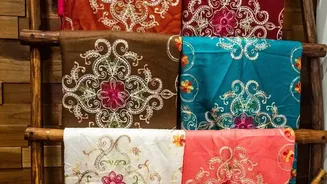
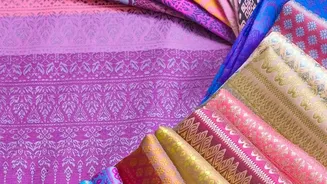
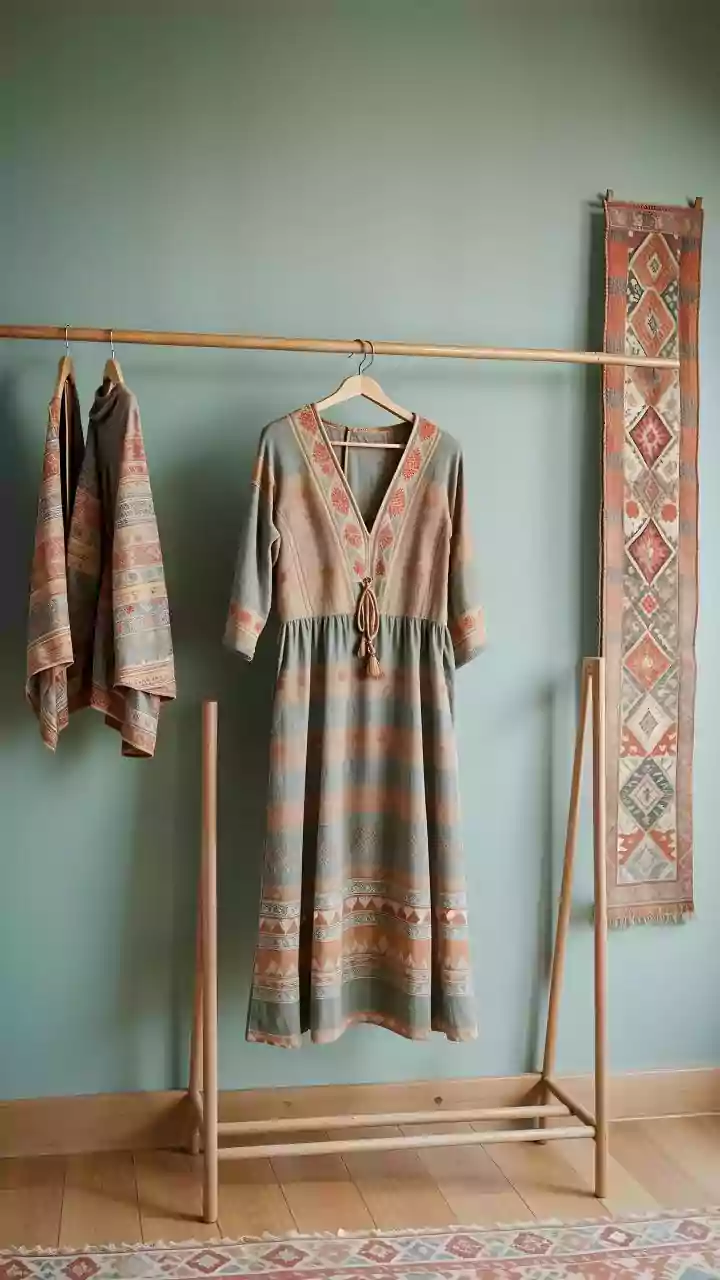
Several key fabrics are leading this revival, making a seamless transition from traditional attire to contemporary fashion staples. Chanderi, known for its sheer texture and lightweight feel, is being fashioned into everything from elegant kurtas to breezy Indo-Western styles. Banarasi silk, once reserved for bridal trousseaus, is now appearing in chic jackets, co-ord sets, and even handbags, making its luxurious feel accessible for everyday glamour. Ikat, with its distinctive blurred geometric patterns, has become a favourite for jackets, dresses, and shirts, appealing to a younger generation’s desire for unique, graphic designs. Other textiles like the earthy Tussar silk, delicate Jamdani once called 'woven air', and versatile handloom linen are also being embraced for their unique textures and understated elegance.
Designers Driving the Change
This movement is being championed by a host of Indian designers who are reinterpreting traditional textiles for a global audience. Labels like Raw Mango by Sanjay Garg, Ekaya Banaras, and Eka have been instrumental in this shift. They work closely with weaver communities across regions like Varanasi, Chanderi, and West Bengal, ensuring that traditional techniques are preserved while the final products feel modern and relevant. These designers are proving that handloom is not a limitation but a canvas for innovation. By transforming heritage weaves into structured gowns, minimalist co-ords, and sharply tailored separates, they are showcasing the incredible versatility of Indian craftsmanship on both national and international runways.
Styling Handloom for Your Wardrobe
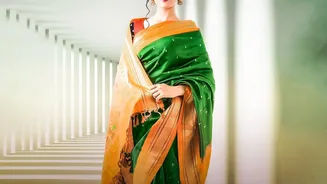
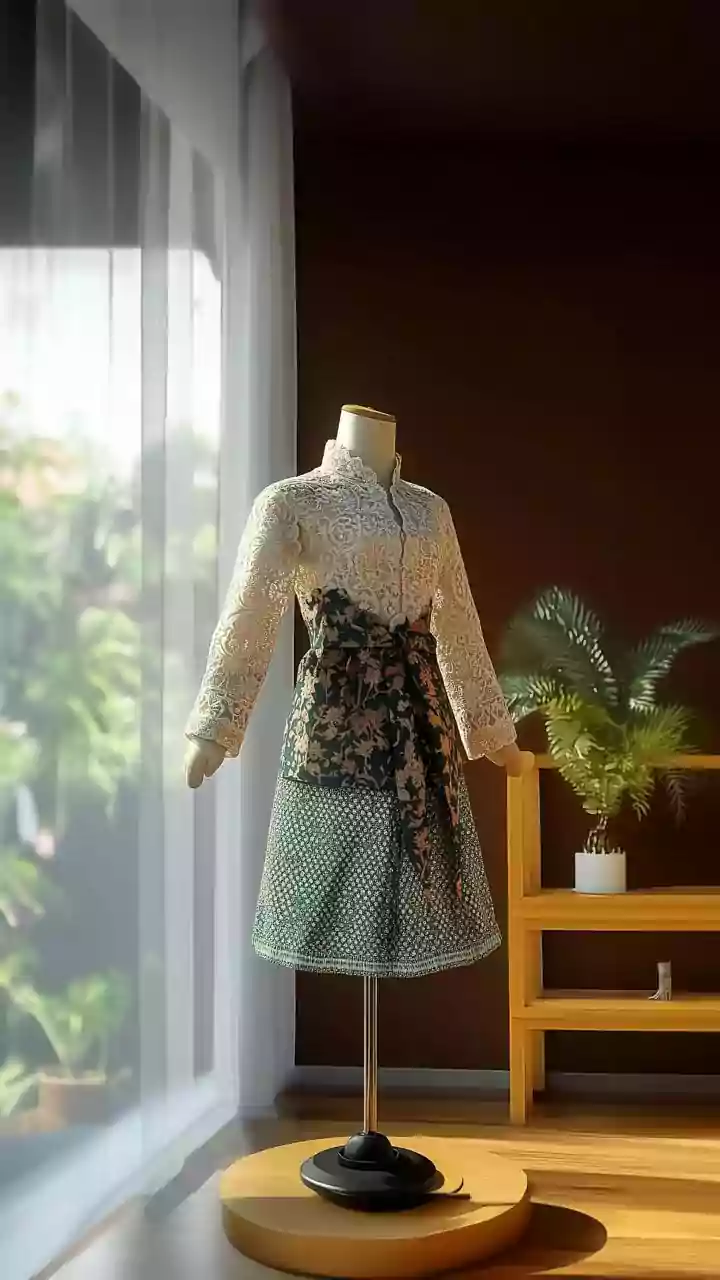
Incorporating handloom into your daily wear is easier than you might think. It's all about fusion and finding the right balance. You can start small by adding a Bandhani dupatta as a vibrant scarf over a plain dress or T-shirt. An Ikat jacket can instantly elevate a simple jeans-and-top combination. For a more integrated look, try pairing a handwoven silk skirt with a crisp white shirt or a structured corset-style blouse for a chic contrast. Don't be afraid to experiment with silhouettes; a simple belt can give a modern shape to a traditional kurta or even a saree. The key is to mix traditional pieces with contemporary basics to create a look that feels personal, stylish, and rooted in heritage.