






The Real Cost of a 'Free' Shopping Trip
We often think a trip to the supermarket is free, aside from the petrol or bus fare. But the most significant expense isn't monetary—it's psychological. Grocery stores are masterfully designed environments built to separate you from your money. Every
aspect, from the floor plan to the lighting, is engineered to encourage you to buy more than you intended. Studies show that a significant percentage of shoppers, sometimes up to 50%, make at least one unplanned purchase per visit. Those little extras—a packet of biscuits, a new flavour of chips, a fancy cheese—quickly add up, often costing far more than a simple delivery fee.
Supermarket Psychology 101
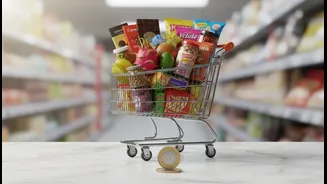
The moment you walk in, the manipulation begins. The scent of fresh bread or flowers creates a pleasant, hungry state of mind. Essential items like milk and eggs are almost always placed at the very back of the store. This isn't an accident; it forces you to walk through the entire store, past countless tempting displays, just to get your necessities. Products with the highest profit margins are placed at eye level, while cheaper store brands are often on the bottom shelf. End-of-aisle displays, known as end caps, feature items that grab your attention, making you pause and consider a purchase you hadn't planned. Even the size of the shopping cart is a factor; a larger cart feels emptier, subconsciously prompting you to fill it. All these elements work together to turn a simple shopping list into an expensive treasure hunt.
Decision Fatigue and the Dopamine Rush
Shopping, especially after a long day, depletes your mental energy. This is known as decision fatigue. After making numerous choices about which brand of rice or type of dal to buy, your willpower weakens. Suddenly, that chocolate bar at the checkout counter feels less like an indulgence and more like a deserved reward. Behavioural economists explain that impulse buys provide a quick hit of dopamine, the brain's pleasure chemical. The anticipation of a treat can be powerful enough to override your rational, budget-conscious mind. A physical trip to the store exposes you to these triggers when you are often at your most vulnerable—tired, hungry, and mentally drained.
The Rs 20 'Discipline Fee'
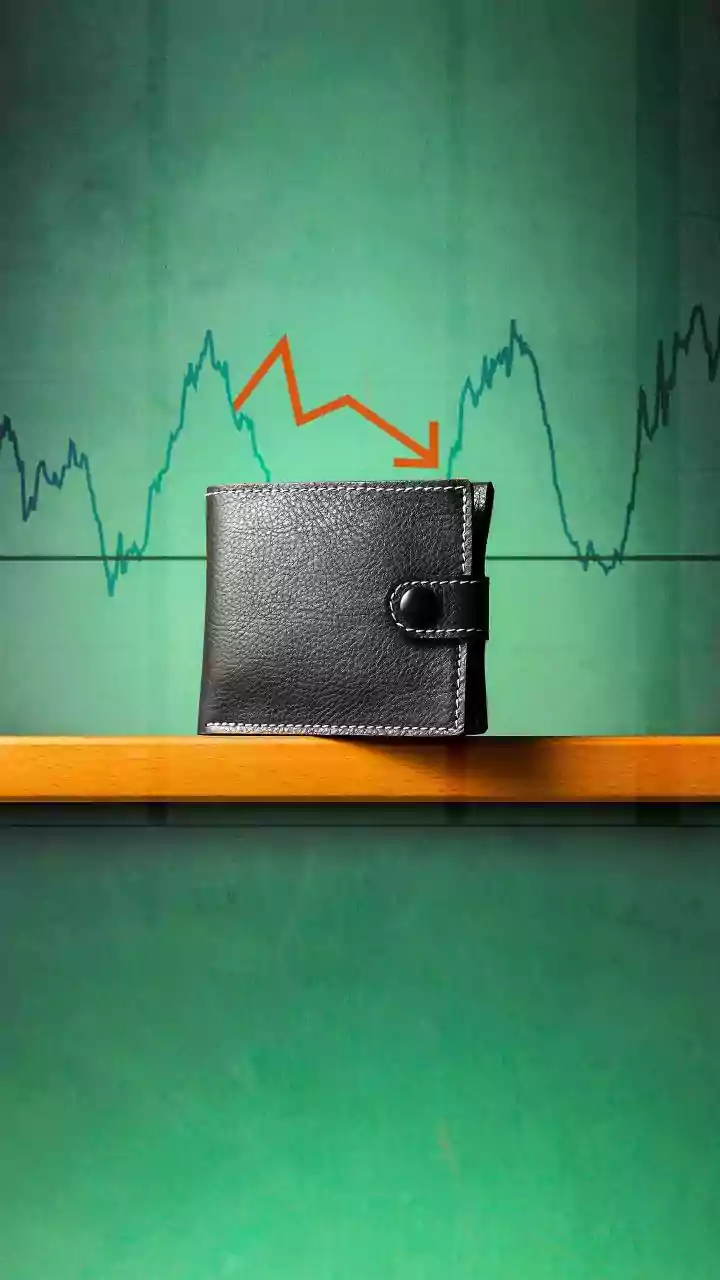
This is where online grocery ordering changes the game. By shopping from a list on an app or website, you operate in a controlled environment. You search for what you need, add it to your cart, and check out. The temptations of sensory marketing and strategic product placement are completely removed. That Rs 20 or Rs 30 delivery fee is no longer just a charge for convenience; it becomes an investment in your own financial discipline. Think of it as a gatekeeper that protects your wallet from the hundreds of rupees you might have spent on impulse. You are paying a small, predictable price to avoid a large, unpredictable one. This is a classic example of using a 'commitment device'—a concept from behavioural economics where you lock yourself into a better choice.
Making This Strategy Work for You
To leverage this insight, you don't have to switch entirely to online ordering. Start by identifying your weaknesses. If you often come back with snacks and drinks you didn't plan for, try ordering just your staple, bulky items like atta, rice, oil, and cleaning supplies online. This reduces the number of 'danger zones' you have to navigate in-store. For fresh produce, you might still prefer a trip to the local market, but with a shorter list, you're less likely to browse and overspend. The key is intentionality. Whether shopping online or off, always start with a list. But when you know you're tired or prone to temptation, using a delivery service can be the smartest, most frugal decision you make all week.