



The Monsoon Menace: Understanding Root Rot
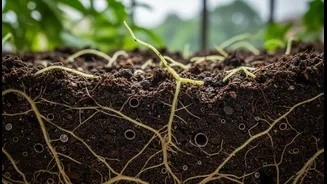
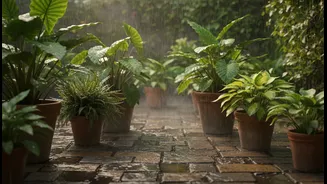
For container gardeners, the monsoon is a double-edged sword. The consistent watering is a blessing, but it can quickly become a curse. When soil in a pot becomes saturated with water from heavy rains, the air pockets that roots need to breathe are eliminated.
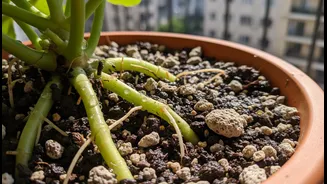
This oxygen-starved environment is the perfect breeding ground for soil-borne fungi like Pythium and Phytophthora. These pathogens attack the plant's root system, causing it to turn brown, soft, and mushy. Above ground, the plant may paradoxically look wilted even though the soil is wet, a classic sign that the roots are no longer able to absorb water and nutrients. This condition, known as root rot, is one of the quickest ways to lose an otherwise healthy potted plant.
Introducing Perlite: Your Soil’s Best Friend
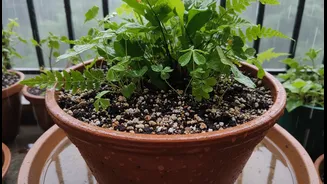
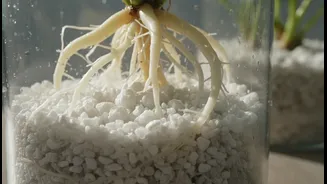
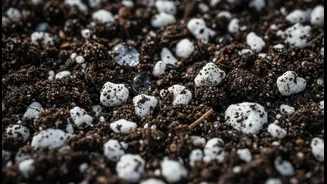
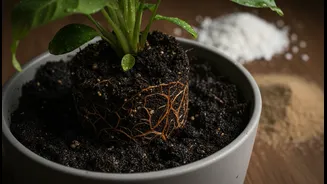
You've likely seen them: tiny, white, lightweight stones in bags of commercial potting mix. Often mistaken for styrofoam, this is horticultural perlite, a type of volcanic glass that is heated to extreme temperatures until it expands, creating a porous, lightweight material. Perlite is a gardener's secret weapon for improving soil structure. Its primary function is to enhance drainage and aeration. When mixed into soil, it creates a network of air channels, allowing excess water to drain away freely while also helping the soil retain just the right amount of moisture on its textured surface. It is sterile, has a neutral pH, and doesn't decompose, meaning its benefits last for years.
Why Pre-Conditioning Before the Rains is Crucial
The key to surviving the monsoon is preparation. Waiting until your plants are already sitting in waterlogged soil is often too late; root rot can take hold with surprising speed. By conditioning your soil before the first heavy showers, you are taking a preventative measure that is far more effective than any cure. Amending your potting mix with perlite ahead of the season ensures that from day one, your pots have the drainage capacity to handle the impending deluge. This proactive approach means roots are never left to sit in stagnant water, effectively shutting down the primary condition that allows fatal fungal diseases to thrive.
The Right Way to Use Perlite
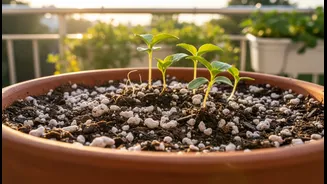
Incorporating perlite is simple. For a general-purpose monsoon-ready potting mix, a good ratio is approximately one part perlite to two or three parts of your main potting medium (like cocopeat and compost). For plants that are especially sensitive to wet conditions, such as succulents, you can increase the perlite ratio to as high as 50% of the total mix. If you are repotting, thoroughly combine the dry ingredients before potting the plant. If you want to amend an already potted plant, you have two options. The best method is to gently remove the plant, carefully loosen some of the old, compacted soil from the root ball, and repot it with a new mix containing perlite. Alternatively, for a less disruptive approach, you can gently work perlite into the top few inches of the existing soil, which will still help improve surface drainage and aeration. Before mixing, it's a good idea to lightly moisten the perlite to reduce dust.
Which Balcony Plants Benefit Most?
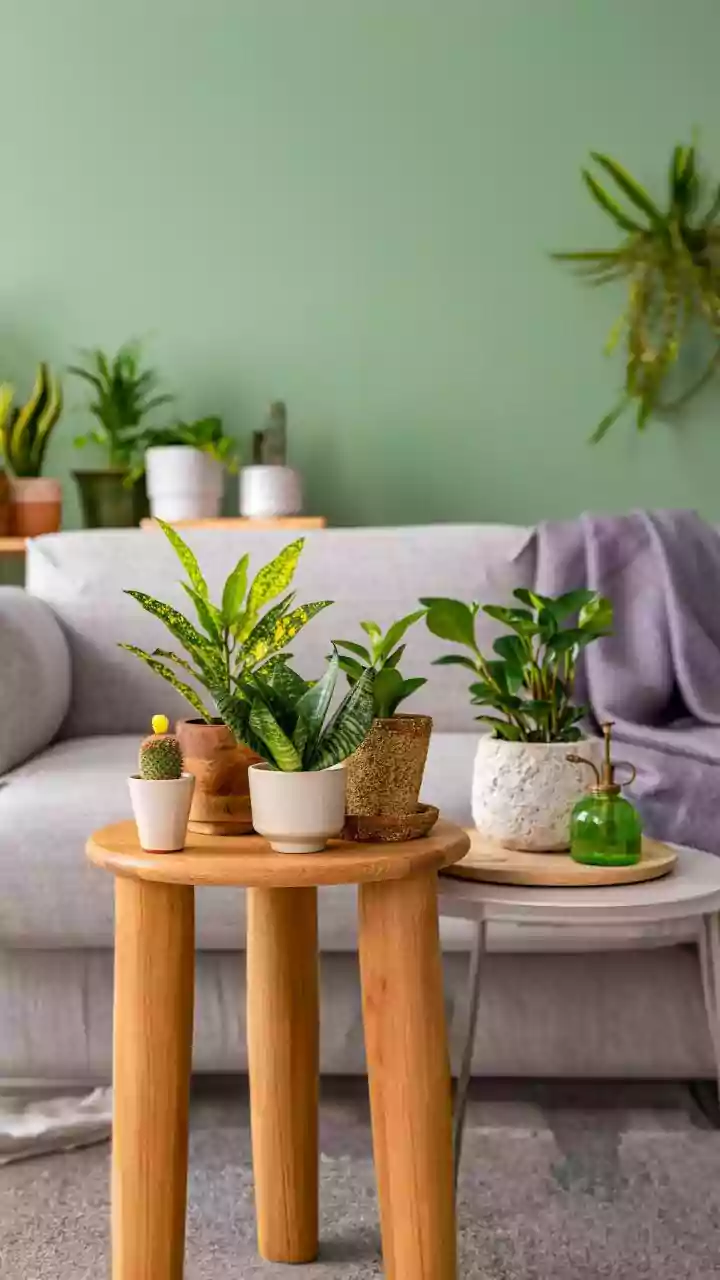
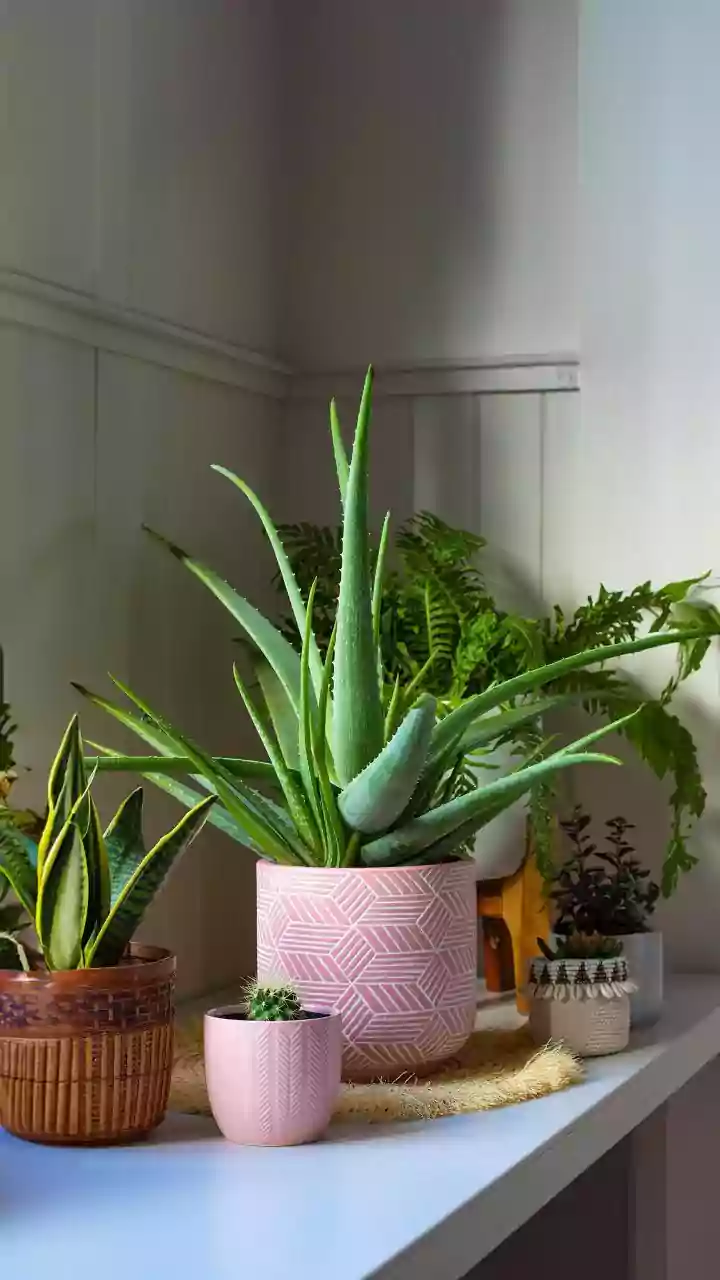
While nearly all potted plants appreciate better drainage, some are particularly vulnerable to monsoon root rot. Plants that prefer their soil to dry out between waterings are at the highest risk. This includes succulents and cacti, which can rot quickly in wet conditions. Many popular flowering annuals and herbs also struggle with constantly damp feet. Vegetables grown in containers, such as tomatoes, chillies, and brinjal, also depend on well-aerated roots to produce a healthy harvest and can fail in compacted, waterlogged soil. Amending their soil with perlite provides a crucial buffer against unpredictable downpours.
Beyond Perlite: Other Essential Monsoon Tips
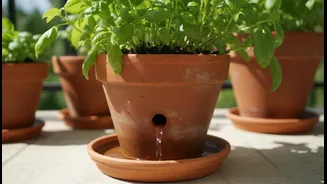
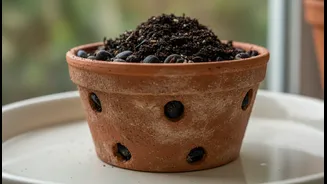
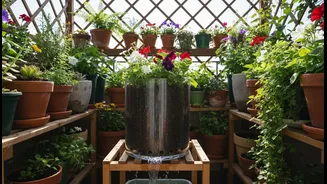
Perlite is a powerful tool, but it works best as part of a complete monsoon care strategy. First, ensure every single pot has unobstructed drainage holes. It's also wise to lift pots off the ground using pot feet or stands; this prevents the drainage holes from getting blocked and improves air circulation. During the monsoon, adjust your watering schedule; even with perlite, it's important to check the soil's moisture level before adding more water. Finally, remember that heavy rains can wash nutrients out of the soil quickly, so be prepared to fertilise your plants a little more regularly with a good quality compost or liquid feed to keep them vigorous and healthy.