






The daily reality for many urban Indians is a chaotic symphony of horns, exhaust fumes, and a constant battle for space. But what if our city centres prioritised people over cars? This isn't a distant dream; it's a global movement.
Why Cities Are Reclaiming Streets
For decades, urban planning
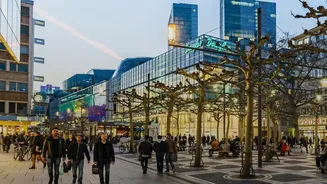
revolved around the automobile. Streets were widened and cities designed to ensure cars could move as quickly as possible. Today, the tide is turning. Cities across the globe are implementing traffic restrictions to create pedestrian-only or pedestrian-priority zones. This shift, known as pedestrianisation, is a deliberate strategy to reclaim public space for people. The core idea is simple: by limiting or banning vehicular traffic, city centres can transform from congested thoroughfares into vibrant public spaces. The goals are to reduce air and noise pollution, improve public health, enhance safety, and boost local economies. The result is a more liveable, breathable, and enjoyable urban environment where community and commerce can flourish.
The Tangible Benefits Of Going Car-Free
The advantages of pedestrian-friendly streets are multi-faceted. Environmentally, fewer cars mean a significant drop in harmful emissions like nitrogen dioxide and particulate matter, leading to cleaner air. Economically, contrary to the fears of some business owners, increased foot traffic often leads to higher sales. Studies in various cities have shown that pedestrianised retail areas see a rise in turnover as people are more likely to linger, shop, and dine. Socially, these spaces foster community interaction, providing safe areas for children to play, for residents to gather, and for cultural events to take place. Public health also gets a major boost, not just from better air quality, but by encouraging walking and cycling, which promotes physical activity.
Lessons From Around The Globe
The success of this model is visible worldwide. Copenhagen's Strøget, one of Europe's longest pedestrian streets, began its transformation in 1962 and has become the heart of the city's social and commercial life. In Melbourne, Australia, a network of walkable laneways has created a vibrant culture of cafes and boutiques. New York's pedestrianisation of Times Square dramatically reduced traffic-related injuries while increasing footfall. Even in South America, Bogotá's weekly 'Ciclovía', where major streets are closed to cars on Sundays, has become a massive public festival celebrating open space. These examples show that with political will and smart design, even the most car-congested areas can be reimagined.
Not Without Its Challenges
Of course, the transition isn't always seamless. One of the biggest hurdles is changing the longstanding mindset that cities must be built for cars. Initial opposition often comes from local businesses fearing a loss of customers and from residents concerned about accessibility and traffic being displaced to surrounding areas. Ensuring access for people with disabilities, emergency services, and essential deliveries requires careful planning. Successful projects manage these challenges through phased implementation, robust public consultation, and ensuring that pedestrian zones are wellconnected to public transport networks.
India's Own Pedestrian Push
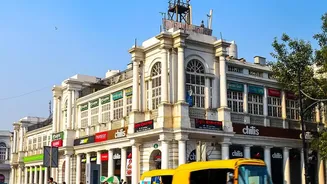
India is beginning to embrace this global trend. The redevelopment of Delhi's historic Chandni Chowk is a prime example. The project aimed to decongest the famously chaotic market by restricting motorised traffic during the day, creating a pedestrianfriendly environment that preserves its heritage character. The transformation, while facing its own set of challenges like the displacement of informal vendors, has sought to make the area safer and more accessible for the thousands who visit daily. Similarly, cities like Chennai have made significant strides by creating a NonMotorised Transport Policy, leading to the construction of over 100 kilometres of improved footpaths, which has encouraged more people to walk. These initiatives signal a growing recognition that the future of Indian cities lies in prioritising their most numerous users: pedestrians.